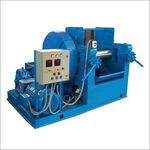
Chocolate Production Line: A Guide to Modern Manufacturing Processes
A chocolate production line is a coordinated series of machines and processes used to transform cocoa-based ingredients into finished chocolate products.
Modern chocolate manufacturing equipment can handle activities such as ingredient preparation, mixing, refining, conching, tempering, molding, cooling, and packaging. The exact arrangement depends on the type of chocolate being produced and the required production volume.
Chocolate production has developed from small-scale manual preparation into highly organized manufacturing operations. Earlier methods depended heavily on hand mixing, manual temperature control, and individual molds. Advances in mechanical equipment, temperature monitoring, food processing technology, and automation have allowed many stages to operate as connected production systems.
Main Stages of Chocolate Manufacturing
Chocolate processing equipment is generally arranged according to the sequence of production. Cocoa ingredients, sugar, milk components, cocoa butter, and other permitted ingredients may first be prepared and combined according to a specific formulation.
A typical production sequence can include:
- Ingredient preparation and weighing
- Mixing and blending
- Refining to reduce particle size
- Conching to develop texture and flavor
- Tempering to control cocoa butter crystallization
- Molding or coating
- Cooling and solidification
- Packaging and inspection
Each stage has a different purpose. A chocolate processing machine may therefore perform one specific function, while a connected production line coordinates several stages.
Equipment Used in Chocolate Production
Chocolate production equipment ranges from individual machines to integrated manufacturing systems. A chocolate making machine may be designed for a particular product or production stage, while a complete chocolate manufacturing plant equipment setup can include multiple connected units.
Common equipment includes mixers, refiners, conches, storage tanks, pumps, tempering systems, molds, cooling tunnels, and packaging equipment. Industrial chocolate machinery can also include control panels and monitoring systems that help operators manage temperatures, speeds, flow rates, and other operating conditions.
| Production Stage | Typical Equipment | Main Purpose |
|---|---|---|
| Ingredient preparation | Weighing and dosing systems | Measure ingredients |
| Mixing | Chocolate mixer | Combine ingredients |
| Refining | Chocolate refiner | Reduce particle size |
| Conching | Conching machine | Develop texture and flavor |
| Tempering | Chocolate tempering machine | Control cocoa butter crystals |
| Molding | Chocolate molding machine | Form chocolate pieces |
| Enrobing | Chocolate enrobing machine | Apply chocolate coatings |
| Cooling | Cooling tunnel | Solidify products |
| Packaging | Packaging equipment | Prepare finished products |
Importance
Chocolate manufacturing involves precise control because the physical properties of chocolate can change with temperature, ingredient proportions, and processing conditions. A chocolate production line helps organize these stages so that materials move through a defined sequence.
The technology affects manufacturers, food processing workers, retailers, and consumers. Consistent processing can influence the appearance, texture, shape, and handling characteristics of chocolate products.
Improving Process Consistency
Chocolate processing machinery provides controlled conditions for repeated production cycles. Temperature sensors, pumps, mixing systems, and programmable controls can help maintain specified operating conditions.
An industrial chocolate machine may be used for continuous or batch production depending on its design. Batch systems process defined quantities at a time, while continuous systems can move ingredients through connected stages with fewer interruptions between processes.
Tempering and Product Quality
Tempering is an important stage in chocolate processing because cocoa butter can form different crystal structures. Controlled heating and cooling encourage the formation of a stable crystal structure suitable for many finished chocolate products.
A chocolate tempering machine regulates temperature through a defined sequence. Industrial chocolate tempering equipment can be integrated with molding or enrobing stages so that tempered chocolate moves directly into the next part of production.
Molding and Enrobing
A chocolate molding machine places tempered chocolate into specific shapes. Molds may be designed for bars, pieces, shells, figures, or other confectionery forms.
A chocolate enrobing machine performs a different function by covering products with a layer of chocolate. This method is commonly associated with coated confectionery products, biscuits, wafers, and other centers.
Hygiene and Process Control
Food manufacturing equipment must be designed and operated with appropriate hygiene procedures. Surfaces that contact food materials require suitable cleaning and maintenance practices, while production areas need controls that reduce contamination risks.
Operators also monitor factors such as temperature, ingredient handling, equipment condition, and production records. Automated systems can assist with monitoring, but appropriate human oversight remains part of food manufacturing.
Recent Updates
Recent developments in chocolate production have focused on automation, energy management, digital monitoring, flexible production, and more precise process control. From 2024 through 2026, manufacturers have increasingly explored ways to connect equipment data with production management systems.
Automation and Digital Monitoring
An automatic chocolate production line can coordinate several production stages through programmable controls. Sensors can monitor conditions such as temperature, flow, tank levels, and equipment status.
An automated chocolate manufacturing system may also collect operating information for analysis. This can help operators identify process changes and review production conditions without relying entirely on manual records.
AI and Data-Based Processing
Artificial intelligence and machine learning are being explored in food manufacturing for areas such as visual inspection, predictive equipment monitoring, production analysis, and process optimization. These technologies can work alongside conventional control systems rather than replacing every existing component.
Advanced chocolate processing systems may combine sensor data with software dashboards. The practical role of these systems depends on the equipment configuration, available data, and specific production requirements.
Flexible Production Systems
Another current direction is greater flexibility in manufacturing. A high capacity chocolate production line may need to accommodate different product shapes, recipes, coatings, or package formats.
Modular equipment can allow individual production stages to be configured according to manufacturing requirements. This approach can be relevant when a facility handles several types of chocolate confectionery production equipment within the same production environment.
Tools and Resources
Several tools and resources can help people understand chocolate manufacturing processes. Equipment manuals, food-processing textbooks, process diagrams, technical standards, and manufacturer documentation can explain how individual machines function.
Planning and Process Documentation
Production planning can use process flow diagrams to show how ingredients move through each stage. Equipment specification sheets can document operating ranges, dimensions, electrical requirements, capacity information, and cleaning procedures.
Useful planning resources may include:
- Process flowchart templates for mapping production stages.
- Equipment checklists for documenting machinery requirements.
- Temperature-recording templates for monitoring processing conditions.
- Production logs for recording batch information.
- Maintenance schedules for tracking inspections and equipment tasks.
Educational Resources
Food science references can explain cocoa chemistry, crystallization, particle size, emulsification, and chocolate rheology. Technical resources concerning food hygiene and machinery safety can provide additional background for understanding manufacturing environments.
For industrial facilities, documentation for programmable controllers, sensors, pumps, and control systems can explain how individual components communicate within a production setup. These resources are useful for understanding how chocolate manufacturing machinery operates as part of a larger system.
FAQs
What is a chocolate production line?
A chocolate production line is a sequence of connected equipment used to process chocolate ingredients and produce finished products. It can include mixing, refining, conching, tempering, molding, cooling, and packaging stages.
What equipment is used in chocolate manufacturing?
Chocolate manufacturing equipment can include mixers, refiners, conches, storage tanks, pumps, tempering machines, molding machines, enrobing machines, cooling tunnels, and packaging systems.
How does a chocolate tempering machine work?
A chocolate tempering machine controls heating and cooling so that cocoa butter develops an appropriate crystal structure. This process influences the finished chocolate's appearance, texture, and stability.
What is a chocolate enrobing machine used for?
A chocolate enrobing machine applies a layer of chocolate around a food center. It is commonly used for products such as coated confectionery, biscuits, wafers, and other chocolate-covered items.
What is an automatic chocolate production line?
An automatic chocolate production line uses programmed controls, sensors, and connected equipment to coordinate multiple production stages. The level of automation varies according to the system design and manufacturing requirements.
Conclusion
A chocolate production line combines multiple processing stages to transform ingredients into finished chocolate products. Chocolate manufacturing machinery can include equipment for mixing, refining, conching, tempering, molding, enrobing, cooling, and packaging. Recent developments have placed greater attention on automation, digital monitoring, flexible equipment, and data-based process control. The overall manufacturing process remains dependent on appropriate ingredient handling, temperature management, equipment operation, hygiene, and quality control.