Coating Machines: An Explore of Types and Industrial Applications
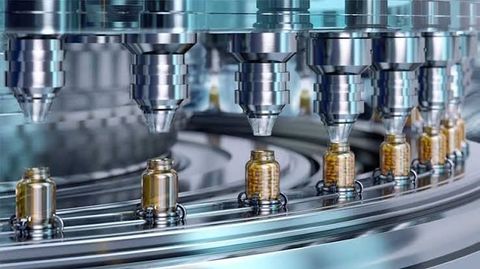
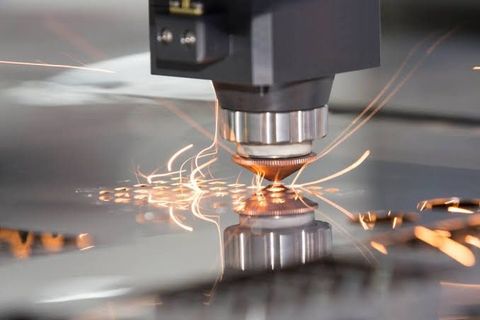
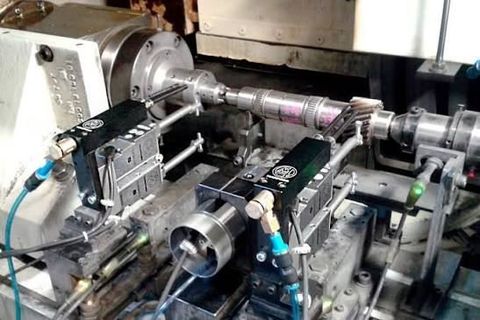
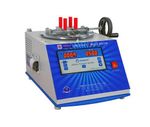
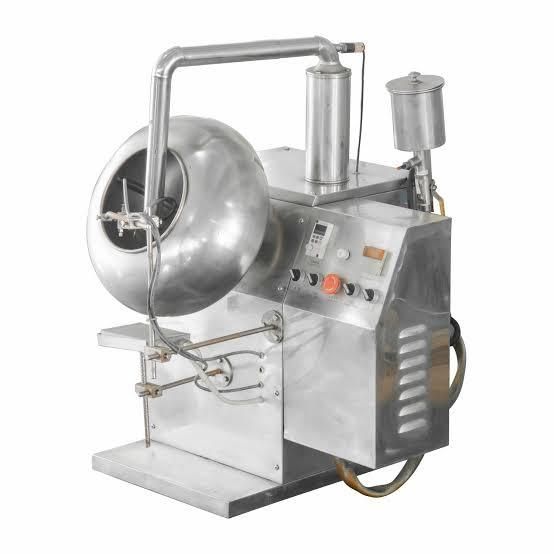
Coating machines are industrial systems designed to apply a controlled layer of material onto a surface.
The coating may provide protection, improve appearance, change surface characteristics, or prepare a component for another manufacturing stage. Industrial coating machines are used with materials such as metals, plastics, wood, glass, and manufactured components.
The development of coating equipment is closely connected with manufacturing processes that require consistent surface treatment. Earlier coating methods depended heavily on manual application, while modern systems use mechanical movement, controlled spraying, electrostatic processes, heating, drying, and computerized controls.
Today, industrial coating equipment ranges from relatively simple application units to integrated production lines. The appropriate configuration depends on the material being coated, the coating substance, component shape, production volume, and required surface characteristics.
How Coating Machines Work
A coating process generally involves several stages. First, the surface is prepared by cleaning, degreasing, abrasive treatment, or another suitable method. The coating material is then applied using spraying, dipping, rolling, brushing, powder application, or another technique.
Automated coating machines can coordinate several stages through programmed controls. Sensors and control systems may regulate variables such as application speed, temperature, airflow, pressure, and material delivery.
After application, the coated component may require curing, drying, cooling, or additional treatment. The complete sequence varies according to the coating material and the substrate.
Main Types of Coating Machines
Different coating technologies are used for different production requirements.
| Coating Machine Type | Common Application | Main Process Characteristic |
|---|---|---|
| Powder coating machines | Metal components and fabricated parts | Dry powder applied and thermally cured |
| Spray coating systems | Industrial components and structures | Liquid material applied through spray equipment |
| Continuous coating machines | Sheets, strips, and continuous materials | Coating applied while material moves through a line |
| Dip coating systems | Small or complex components | Components immersed in coating material |
| Roller coating machines | Flat surfaces and panels | Material transferred through controlled rollers |
| Electrostatic coating systems | Metal components | Electrically charged particles attracted to surfaces |
Importance
Coating processes play an important role in manufacturing because exposed surfaces can be affected by moisture, chemicals, abrasion, temperature changes, and general environmental conditions. A suitable coating can create a controlled surface layer that changes how a component interacts with its surroundings.
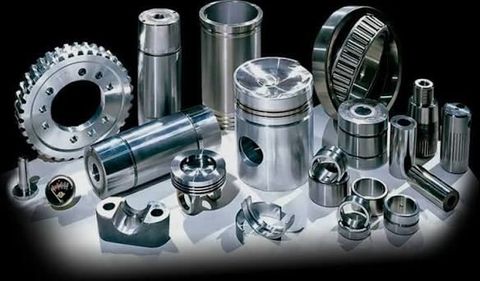
Metal coating machines are particularly common in industries where steel, aluminum, and other metal components require surface treatment. Industrial surface coating equipment can be used for components ranging from small manufactured parts to large structural sections.
Protection and Surface Performance
Industrial protective coating systems are used when a surface needs an additional barrier against particular environmental conditions. The exact performance depends on the coating chemistry, substrate preparation, thickness, curing process, and operating environment.
Industrial coating equipment can also be used to modify characteristics such as friction, electrical behavior, appearance, hardness, or resistance to particular substances. The coating must therefore be selected according to the intended application rather than simply the appearance of the finished surface.
Production Consistency
Manual coating can involve variation in application thickness, coverage, movement speed, and drying conditions. Automated industrial coating systems can regulate these variables through programmed equipment and controlled process parameters.
Precision coating machinery is useful when a product requires specific coating thickness or consistent coverage. Automated systems can also coordinate material movement with application equipment so that each production stage follows a defined sequence.
Industries Using Coating Equipment
Coating machines are used across several manufacturing areas, including:
Automotive component production
Metal fabrication
Appliance manufacturing
Construction materials
Electrical equipment
Furniture production
Packaging materials
Aerospace component manufacturing
Industrial machinery
General fabricated products
The machine configuration can differ substantially between industries because surface geometry, coating chemistry, production volume, and curing requirements are not the same.
Recent Updates
From 2024 through 2026, coating technology has continued moving toward automation, process monitoring, improved material efficiency, and greater integration between application equipment and production controls. These developments are part of a broader manufacturing shift toward connected production environments.
Automated powder coating systems have received particular attention because powder application can be integrated with controlled spraying, recovery equipment, curing ovens, and conveyor systems. Automated systems can adjust application parameters according to programmed production requirements.
More Connected Automation
Automated coating machines are increasingly integrated with sensors, programmable controllers, production databases, and monitoring interfaces. This allows operators to observe process variables and identify changes that may affect coating consistency.
An automated industrial coating line may coordinate surface preparation, coating application, curing, cooling, inspection, and material movement. Such integration can reduce the need for separate manual controls at each stage.
Advances in Powder Coating
Powder coating remains an important industrial process for suitable substrates. Powder particles are applied to a prepared surface and subsequently heated so that they form a continuous layer.
Modern powder coating systems may include automated guns, reciprocating application equipment, powder recovery units, curing ovens, conveyors, and control systems. Automated powder coating systems can be configured around the size and shape of components moving through production.
Greater Process Monitoring
High performance coating equipment increasingly incorporates sensors and monitoring functions. Temperature measurement, airflow monitoring, coating thickness measurement, and equipment status information can help identify process changes.
Advanced surface coating machinery may also connect with broader manufacturing systems. This creates opportunities to collect process information and compare operating conditions across production stages.
| Development | General Purpose | Example Technology |
|---|---|---|
| Automation | Reduce repetitive manual controls | Programmable controllers |
| Monitoring | Observe process conditions | Sensors and digital interfaces |
| Integration | Connect multiple production stages | Industrial networks |
| Precision | Regulate coating application | Controlled spray systems |
| Material recovery | Reuse suitable overspray | Powder recovery equipment |
| Inspection | Identify surface variations | Vision and measurement systems |
Tools and Resources
Understanding coating equipment often requires more than knowing the machine type. Information about coating chemistry, substrate preparation, application conditions, curing requirements, and inspection methods is also important.
Process Planning Tools
Manufacturers and engineers may use process flow diagrams, coating thickness calculations, production planning templates, and equipment documentation to understand how a coating line should operate. These resources help describe material movement and identify important process stages.
Useful resources can include:
Coating thickness measurement references
Surface preparation checklists
Process flow templates
Equipment operation manuals
Coating application guides
Safety documentation
Technical standards and testing procedures
Inspection and Measurement Equipment
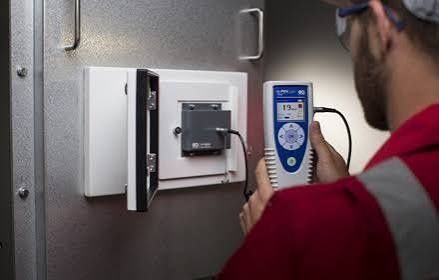
Coating quality can be assessed using appropriate measurement methods. Depending on the application, instruments may measure dry film thickness, surface roughness, adhesion, temperature, or other properties.
Inspection tools are particularly relevant when precision coating machinery is used for components with defined surface requirements. Measurement results can be recorded alongside production information for process analysis.
Integrated Coating Lines
Industrial coating line equipment may combine conveyors, preparation units, application systems, curing equipment, cooling sections, inspection stations, and control interfaces. A complete industrial coating system is therefore more than an individual coating machine; it is a coordinated collection of equipment designed around a defined process.
Custom coating machine systems can be configured around component dimensions, coating materials, production movement, and process requirements. High-capacity coating production systems may use multiple application stations or continuous material handling when production conditions require it.
FAQs
What are industrial coating machines used for?
Industrial coating machines apply controlled layers of material to manufactured components and surfaces. They can be used for protection, appearance, surface modification, or preparation for later manufacturing stages.
How do automated coating machines work?
Automated coating machines use programmed controls, mechanical movement, and application equipment to perform defined coating steps. Sensors and control systems may regulate factors such as application speed, temperature, pressure, and material flow.
What are powder coating machines used for?
Powder coating machines apply dry coating particles to suitable surfaces, commonly metal components. The coated parts are then heated so the powder melts and forms a continuous layer.
What is the purpose of industrial surface coating equipment?
Industrial surface coating equipment is used to apply coatings to components in a controlled manner. Depending on the coating material, the resulting layer may influence resistance to environmental exposure, wear, chemicals, or other operating conditions.
What are continuous coating machines?
Continuous coating machines apply coating material while a continuous substrate, such as sheet, strip, or another long-form material, moves through the production line. They are commonly integrated with material handling, drying, curing, and inspection stages.
Conclusion
Coating machines are used to apply controlled surface layers across a wide range of industrial manufacturing processes. Technologies include powder coating machines, spray systems, continuous coating machines, and integrated automated industrial coating systems. Recent developments have focused on automation, process monitoring, digital integration, and more controlled material application. The appropriate coating system depends on the substrate, coating material, component design, production process, and required surface characteristics.