Industrial Power System: An Overview of Electrical Infrastructure
Industrial power systems are the electrical infrastructure used to generate, receive, distribute, control, monitor, and protect electricity within industrial facilities.
They support factories, processing plants, warehouses, utilities, data facilities, and other sites where electrical energy is needed for machinery, lighting, automation, heating, cooling, and communication systems. Industrial electrical power systems can range from relatively simple installations to large networks containing multiple voltage levels and distribution points.
The development of industrial power infrastructure followed the wider expansion of electrical generation and distribution. As factories became more mechanized, dependable electrical systems became necessary for operating motors, production equipment, control devices, and other machinery. Over time, industrial power distribution systems evolved to incorporate switchgear, transformers, circuit protection, monitoring equipment, and digital controls.
Main Components of an Industrial Power System
A typical system contains several interconnected elements. Industrial power generation systems may produce electricity on site, while other facilities receive electrical power from an external utility network. Transformers then adjust voltage levels for different parts of the facility.
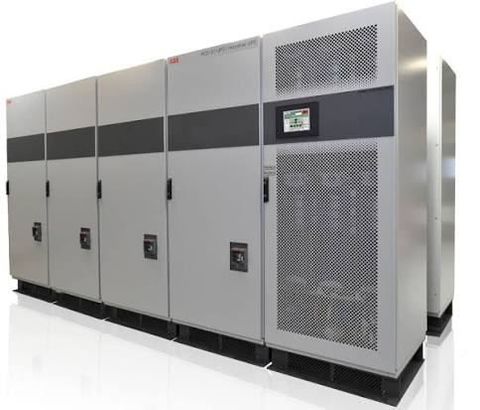
Industrial power distribution equipment moves electricity between incoming supplies, switchboards, motor control centers, panels, and individual loads. Industrial switchgear systems help control and isolate electrical circuits, while industrial power protection equipment helps respond to abnormal electrical conditions.
Other components can include:
- Transformers for changing voltage levels.
- Switchboards for distributing electrical power.
- Circuit breakers for controlling and interrupting circuits.
- Protective relays for detecting abnormal conditions.
- Motors and motor control equipment for industrial machinery.
- Sensors and meters for electrical measurements.
- Control systems for coordinating equipment.
- Cables, busbars, and other conductors for electrical connections.
Together, these components form an interconnected electrical infrastructure rather than a single piece of equipment.
Different Levels of Electrical Infrastructure
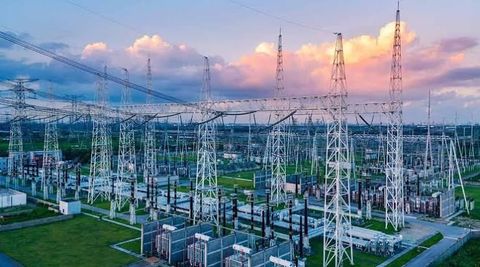
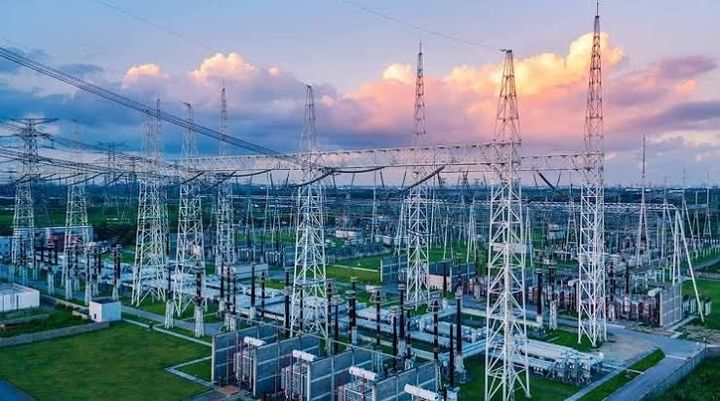
Industrial facilities may use low-, medium-, or high-voltage equipment depending on their electrical requirements. High voltage industrial power systems are generally associated with larger electrical networks and particular transmission or distribution arrangements.
The voltage level, equipment selection, physical layout, and protection strategy depend on factors such as the facility's electrical load, local regulations, operating conditions, and connection to the wider electrical grid.
Importance
Industrial power systems affect many aspects of modern life because manufacturing and infrastructure depend on electricity. Products, food processing, transportation equipment, water systems, buildings, and communication infrastructure all rely on electrical systems at some stage of their operation.
A stable electrical infrastructure also affects workers and surrounding communities. Problems within an industrial electrical system can interrupt production, damage equipment, or create electrical hazards. This makes proper design, protection, monitoring, and maintenance important parts of industrial operations.
Supporting Industrial Equipment
Industrial electrical equipment supplies or controls energy for machinery such as pumps, compressors, conveyors, fans, heaters, processing machines, and automated production equipment. Different loads can have different electrical characteristics, so the distribution network needs to account for their operating requirements.
High capacity industrial power systems may contain multiple distribution sections and equipment groups. Electrical engineers typically consider expected loads, starting currents, voltage levels, fault conditions, and expansion requirements when developing system designs.
Protection and Control
Industrial electrical control systems help operators and automated equipment manage electrical devices. Control circuits can start or stop motors, monitor conditions, coordinate equipment, and respond to defined signals.
Protection is a separate but related function. Industrial power protection equipment can detect conditions such as excessive current, short circuits, or other electrical abnormalities and initiate circuit interruption or isolation according to the system design.
Monitoring Energy and Equipment Conditions
Industrial power monitoring systems collect information about electrical parameters such as voltage, current, frequency, power, and energy consumption. This information can help operators understand how electricity moves through a facility.
Monitoring can also provide information for identifying unusual operating conditions. However, measurements need to be interpreted within the context of the equipment, operating conditions, and measurement method.
| System Area | Typical Function | Common Equipment |
|---|---|---|
| Power input | Receives electrical supply | Incoming switchgear, transformers |
| Distribution | Routes electricity | Switchboards, busbars, panels |
| Protection | Responds to electrical faults | Breakers, relays, protective devices |
| Control | Manages electrical equipment | Controllers, contactors, control panels |
| Monitoring | Measures electrical conditions | Meters, sensors, monitoring platforms |
| Generation | Produces electricity on site | Generators and associated controls |
Recent Updates
From 2024 through 2026, industrial electrical infrastructure has continued moving toward greater digital monitoring, automation, and integration. Industrial facilities increasingly connect electrical measurements with control platforms and operational data systems.
Digital Power Management
Industrial power management systems increasingly use digital meters, sensors, communication networks, and software to collect electrical information. These systems can provide centralized visibility into voltage, current, energy use, and equipment status.
Digital monitoring does not eliminate the need for physical electrical protection. Instead, monitoring and protection generally perform different functions within the wider infrastructure.
Automation and Intelligent Control
Automated industrial power systems can coordinate electrical equipment according to programmed conditions. For example, automated controls can manage switching sequences, monitor equipment states, or coordinate backup power arrangements.
Automated industrial electrical power systems can also connect electrical controls with broader industrial automation networks. Integration can make information available across multiple operational systems, although compatibility and cybersecurity need to be considered.
Integration With New Electrical Loads
Industrial facilities are also adapting to changing electricity requirements. Electrification of industrial processes, expanded automation, energy storage, and the increasing use of electrically powered equipment can affect load patterns.
Advanced industrial electrical systems therefore may need monitoring and distribution arrangements that can accommodate changing electrical demand. System planning remains dependent on the characteristics of each facility rather than one universal configuration.
Cybersecurity and System Monitoring
Greater digital connectivity creates additional cybersecurity considerations. Industrial power monitoring systems and control networks can exchange information with other digital systems, making access management and network protection relevant parts of modern electrical infrastructure.
Technical standards, regulatory requirements, equipment documentation, and facility-specific procedures help determine how these systems should be configured and maintained.
Tools and Resources
Several tools can help explain, plan, analyze, or document industrial electrical infrastructure. Their usefulness depends on the size and complexity of the installation.
Electrical Calculation Tools
Electrical engineers may use calculation software and engineering references to examine voltage drop, short-circuit conditions, power factor, load requirements, and cable characteristics. Load calculation worksheets can organize information about connected equipment and expected operating conditions.
Single-line diagrams are also widely used to represent electrical distribution networks. They provide a simplified view of major components and their connections.
Monitoring and Documentation Resources
Industrial power monitoring platforms can collect measurements from meters and connected equipment. Dashboards may display electrical parameters, alarms, trends, and historical information.
Other useful resources include:
- Electrical single-line diagram templates.
- Load calculation worksheets.
- Equipment specification sheets.
- Protection coordination documentation.
- Electrical inspection checklists.
- Energy monitoring reports.
- Technical standards and regulatory publications.
Standards and Technical References
Electrical standards organizations and regulatory authorities publish documents covering topics such as electrical installations, equipment safety, grounding, protection, and industrial control systems. Manufacturer documentation can also provide information about equipment ratings, installation requirements, operating limits, and compatible components.
Because electrical requirements vary between countries and facilities, applicable local regulations and technical standards should be considered when interpreting these resources.
FAQs
What are industrial power systems?
Industrial power systems are electrical networks that generate, receive, distribute, control, monitor, and protect electricity within industrial facilities. They can include generation equipment, transformers, switchgear, protection devices, distribution equipment, and monitoring systems.
What is the purpose of industrial power distribution systems?
Industrial power distribution systems route electrical energy from an incoming supply or generation source to different equipment and areas within a facility. They may include switchboards, panels, transformers, busbars, cables, and protective devices.
What are industrial switchgear systems used for?
Industrial switchgear systems are used to control, isolate, and protect electrical circuits. They can contain circuit breakers, disconnectors, protective relays, and related equipment.
How do industrial power monitoring systems work?
Industrial power monitoring systems collect measurements such as voltage, current, frequency, power, and energy from electrical equipment. The information can then be displayed or recorded through meters, software, or centralized monitoring platforms.
What are high voltage industrial power systems?
High voltage industrial power systems are electrical networks operating at voltage levels classified as high voltage under applicable standards and regulations. They are used in certain large-scale industrial and electrical distribution environments and require equipment and protection appropriate to their voltage level.
Conclusion
Industrial power systems form a connected electrical infrastructure for generating, receiving, distributing, controlling, monitoring, and protecting electricity. Industrial electrical power systems can combine transformers, switchgear, protection equipment, control systems, monitoring devices, and distribution networks. Recent developments have increased the use of digital monitoring, automation, and connected electrical equipment while also increasing attention to cybersecurity and system integration. The specific configuration of an industrial power system depends on electrical demand, equipment characteristics, operating conditions, applicable standards, and facility requirements.