Luxury Diamond Jewelry: An Overview of Elegant Designs and Diamond Details
Luxury diamond jewelry refers to diamond-adorned pieces designed with attention to materials, craftsmanship, proportions, and visual presentation.
Diamond jewelry has a long history across different cultures, where diamonds have been associated with ceremonies, personal adornment, and symbolic occasions. Today, luxury diamond jewelry includes rings, necklaces, earrings, bracelets, and coordinated collections.
The appearance of a diamond depends on several characteristics, including its cut, color, clarity, and carat weight. These characteristics are commonly discussed through the 4Cs framework. The way a diamond is cut affects how it interacts with light, while color and clarity describe particular visual and internal characteristics.
Luxury diamond jewelry can use different design approaches. Some pieces emphasize a central stone, while others use several smaller diamonds arranged around a gemstone or along a metal surface. Designer diamond jewelry may also incorporate distinctive shapes, settings, proportions, and decorative elements that create a recognizable visual style.
Understanding Diamond Jewelry Categories
Diamond jewelry can be grouped according to its form and intended use. Luxury diamond rings may include engagement rings, wedding rings, cocktail rings, and decorative bands. Diamond engagement rings commonly feature a central diamond supported by a setting designed to hold the stone securely.
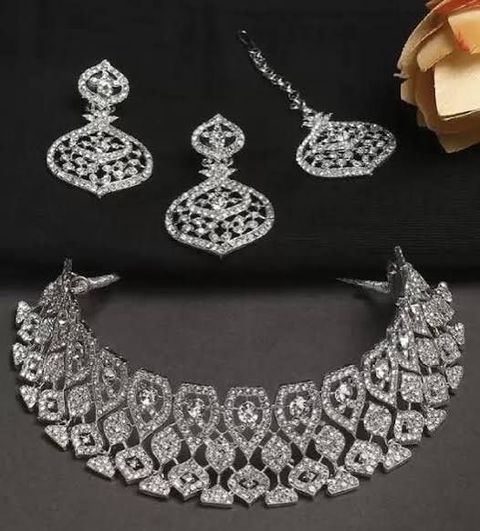
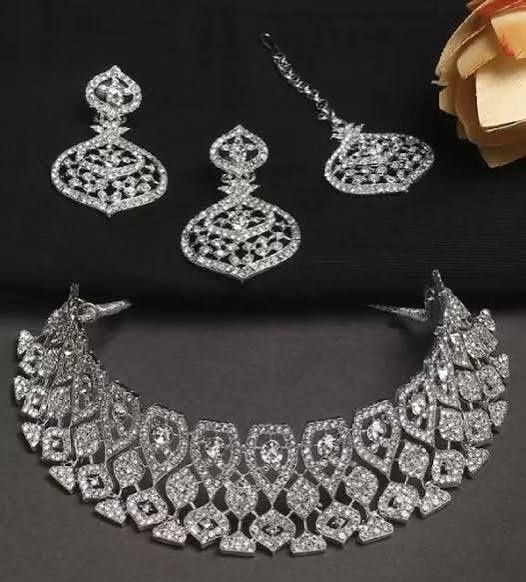
Luxury diamond necklaces can range from simple pendants to elaborate designs containing multiple stones. Diamond earrings may use studs, drops, hoops, or other structures, with the design affecting how the diamonds are positioned and viewed.
Luxury diamond bracelets can include linked sections, flexible settings, or repeated diamond patterns. Together, these categories form broad diamond jewelry collections that can include pieces designed for formal occasions, celebrations, ceremonies, or everyday wear.
Natural Diamonds and Design Details
Natural diamond luxury jewelry uses diamonds formed naturally within the Earth and subsequently cut and polished for jewelry applications. The origin of a diamond is separate from characteristics such as cut, clarity, color, and carat weight, so these factors should be considered individually when examining a piece.
Settings also influence the appearance and structure of diamond jewelry. Common setting styles include prong, bezel, pavé, channel, and halo arrangements. Each method positions diamonds differently and provides a particular balance between visibility, protection, and overall design.
Importance
Luxury diamond jewelry is relevant to people interested in jewelry design, cultural traditions, milestone occasions, and gemstone characteristics. Diamond engagement ring jewelry and diamond wedding rings, for example, are closely associated with marriage traditions in many societies.
Understanding the terminology surrounding diamonds can make jewelry descriptions easier to interpret. It can also help readers distinguish between the characteristics of a diamond itself and the features created by the surrounding jewelry design.
Why the 4Cs Matter
The 4Cs—cut, color, clarity, and carat—provide a standardized framework commonly used to describe diamonds. They address different characteristics rather than representing a single measure of diamond quality.
| Diamond Characteristic | What It Describes |
|---|---|
| Cut | How a diamond's proportions and facets interact with light |
| Color | The degree of color present in a diamond |
| Clarity | The presence and visibility of internal or external characteristics |
| Carat | The diamond's weight |
These characteristics should not be confused with the design of the finished jewelry. Two diamonds with similar individual characteristics can appear different when placed in different settings or viewed under different lighting conditions.
Choosing a Jewelry Design
Different forms of luxury diamond jewelry can suit different preferences and occasions. A ring may emphasize a central stone, while a necklace can distribute diamonds across a larger area. Earrings and bracelets can use repeated patterns or paired designs.
Design considerations can include:
- Metal type, such as platinum or gold.
- Diamond shape, such as round, oval, pear, emerald, or cushion.
- Setting style and how securely stones are positioned.
- Number and arrangement of diamonds.
- Overall proportions and visual balance.
- Intended occasion and frequency of wear.
High end diamond jewelry can involve detailed craftsmanship, but the term itself does not describe a specific technical standard. Likewise, premium diamond jewelry can refer to pieces positioned within an upper segment of the jewelry market, while individual diamond characteristics still need to be considered separately.
Recent Updates
From 2024 through 2026, diamond jewelry discussions have increasingly included questions about provenance, laboratory-grown diamonds, digital documentation, and responsible sourcing. These developments have expanded the information available to people researching diamonds and jewelry materials.
Greater Attention to Diamond Provenance
Provenance refers to information about where a diamond originated and how it moved through the supply chain. Documentation practices can provide information about a stone's characteristics and, in some cases, aspects of its origin.
For natural diamond luxury jewelry, provenance questions can be particularly relevant because natural diamonds have geological origins that differ from laboratory-grown diamonds. Documentation and grading reports can help distinguish characteristics that may not be apparent from visual inspection alone.
Laboratory-Grown Diamonds
Laboratory-grown diamonds have become a significant part of contemporary diamond discussions. They have essentially the same crystal structure and many of the same physical and chemical properties as natural diamonds, but they are produced through technological processes rather than geological formation.
This distinction matters when describing designer diamond engagement rings, premium diamond jewelry collections, or other pieces containing diamonds. Clear descriptions can help readers understand whether a piece uses natural diamonds, laboratory-grown diamonds, or another gemstone.
Digital Records and Jewelry Documentation
Digital records are also becoming more common in jewelry documentation. Depending on the provider and item, digital records may contain information about diamond characteristics, ownership history, or product identification.
Such records can complement traditional grading documents. They do not, however, replace the need to understand what information has actually been verified and what information is simply provided as part of a product description.
Tools and Resources
Several resources can help people learn about diamonds and understand jewelry terminology. Educational materials from recognized gemological organizations can explain diamond grading, terminology, treatments, and identification methods.
Diamond Grading Resources
Diamond grading reports generally document characteristics such as carat weight, color, clarity, and proportions. Readers can use educational grading resources to understand how these characteristics are assessed and reported.
Helpful resources include:
- Diamond 4Cs educational guides.
- Diamond shape and setting references.
- Jewelry care instructions.
- Metal identification guides.
- Diamond grading report explanations.
- Gemstone terminology glossaries.
Jewelry Design References
Design references can help readers compare different forms of diamond jewelry without relying solely on descriptive language. Images, diagrams, setting guides, and jewelry terminology references can explain how stones are arranged within a piece.
For custom diamond jewelry, design documentation may include sketches, stone specifications, metal details, dimensions, and setting information. These details provide a clearer description of the finished design.
Comparing Diamond Details
A simple comparison framework can help organize information about diamond engagement rings, luxury diamond necklaces, or luxury diamond wedding jewelry. Useful fields include diamond origin, shape, carat weight, color, clarity, setting, metal, and documentation.
The same approach can be applied to exclusive luxury diamond jewelry and premium diamond jewelry collections. Comparing factual characteristics separately can make descriptions easier to understand.
FAQs
What is luxury diamond jewelry?
Luxury diamond jewelry generally refers to diamond jewelry designed with attention to materials, craftsmanship, design, and detailed finishing. It can include luxury diamond rings, necklaces, earrings, bracelets, and wedding jewelry.
What should I know about luxury diamond rings?
Luxury diamond rings can differ in diamond shape, setting, metal, proportions, and number of stones. Diamond engagement rings and diamond wedding rings may also have different design purposes and traditions.
What are the main characteristics of a diamond?
The commonly used 4Cs are cut, color, clarity, and carat weight. These describe different aspects of a diamond and should be considered separately from the design of the surrounding jewelry.
What is designer diamond jewelry?
Designer diamond jewelry refers to pieces associated with a particular designer or design approach. Its distinguishing features may include specific proportions, settings, shapes, decorative details, or recurring design elements.
What is custom diamond jewelry?
Custom diamond jewelry is created according to specified design requirements rather than selected entirely from an existing finished design. The process may involve choices about diamond characteristics, metal, setting, dimensions, and overall form.
Conclusion
Luxury diamond jewelry combines diamonds, precious metals, settings, and design principles to create pieces used for personal adornment and significant occasions. Understanding the 4Cs, diamond origin, setting styles, and jewelry categories provides useful context when examining different designs. Recent developments have increased attention toward provenance, laboratory-grown diamonds, and digital documentation. Clear information about these factors helps distinguish the characteristics of individual diamonds from the broader design of a jewelry piece.