Natural Gas Processing: A Guide to Modern Processing Methods
Natural gas processing is a series of physical and chemical operations used to prepare raw natural gas for transportation, storage, and downstream use.
Gas produced from underground reservoirs can contain methane along with water vapor, carbon dioxide, hydrogen sulfide, heavier hydrocarbons, nitrogen, and solid or liquid contaminants. Processing separates or removes unwanted components so the resulting gas meets the requirements of its intended application.
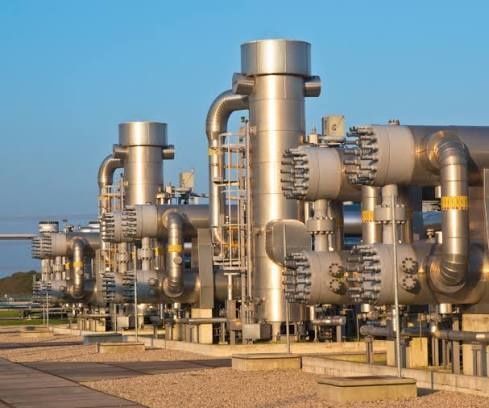
A natural gas processing plant brings together several stages that may include separation, filtration, dehydration, compression, and treatment. The specific arrangement depends on the composition of the incoming gas and the characteristics required for the processed gas. Natural gas processing systems therefore vary between facilities.
From Raw Gas to Processed Gas
Raw natural gas can arrive at a facility as a mixture of gases, liquids, water, and other materials. Initial processing commonly separates free liquids and solid particles from the gas stream. Further stages address water, acidic gases, heavier hydrocarbons, and other components.
Natural gas processing equipment can include separators, filters, compressors, heat exchangers, dehydration units, treatment vessels, and measurement instruments. Each component has a defined role within the overall processing sequence.
Main Processing Stages
A typical facility may use several interconnected stages:
- Inlet separation: Removes liquids and larger particles from the incoming gas.
- Filtration: Captures fine solid or liquid contaminants.
- Dehydration: Reduces water content in the gas.
- Gas sweetening: Removes or reduces acidic components such as hydrogen sulfide and carbon dioxide when required.
- Hydrocarbon separation: Separates heavier hydrocarbons from methane-rich gas.
- Compression: Raises gas pressure for transportation or subsequent processing.
- Measurement and monitoring: Tracks pressure, temperature, flow, and composition.
The sequence can change according to feed-gas characteristics and processing requirements.
Importance
Natural gas processing matters because untreated gas may not have the physical and chemical characteristics required for pipelines, storage facilities, industrial equipment, or other applications. Removing water and unwanted contaminants can help maintain appropriate operating conditions throughout the gas supply chain.
The process also affects how different components of raw gas are handled. Methane may remain in the processed gas stream, while heavier hydrocarbons and other separated materials can be directed to different stages or applications.
Protecting Transportation Systems
Water in natural gas can create operational problems under certain pressure and temperature conditions. It can contribute to hydrate formation and corrosion, which is why natural gas dehydration equipment is commonly included in processing facilities.
Natural gas compression systems are also used where pressure needs to be increased for movement through pipelines or for another stage of processing. Compressors must operate within conditions established by the facility design and gas characteristics.
Removing Unwanted Components
Natural gas sweetening systems are designed to reduce acidic gases, particularly hydrogen sulfide and, depending on the process, carbon dioxide. Hydrogen sulfide requires careful handling because it is toxic, while carbon dioxide can affect gas quality and processing requirements.
Natural gas purification systems can combine multiple treatment stages. The precise approach depends on the composition of the gas and the specifications applicable to its destination.
Separation and Filtration
Natural gas separation equipment can divide gas from liquids and separate selected hydrocarbon components. Natural gas filtration systems can remove particulate matter and certain liquid contaminants before or between other processing stages.
These operations can protect downstream equipment and help maintain controlled process conditions. Industrial gas processing equipment is generally selected according to pressure, temperature, flow, gas composition, and required separation performance.
| Processing Stage | Main Purpose | Common Equipment |
|---|---|---|
| Inlet separation | Remove bulk liquids and solids | Separators, scrubbers |
| Filtration | Capture smaller contaminants | Gas filters, coalescers |
| Dehydration | Reduce water content | Dehydration units |
| Sweetening | Reduce acidic gases | Absorbers, treatment units |
| Hydrocarbon separation | Separate heavier components | Fractionation equipment |
| Compression | Increase gas pressure | Compressors |
| Monitoring | Measure operating conditions | Sensors, analyzers |
Recent Updates
From 2024 through 2026, natural gas processing has continued to develop around efficiency, digital monitoring, emissions management, equipment integration, and flexible plant operation. Processing facilities are increasingly designed around connected measurement systems that can provide operators with information about equipment and process conditions.
Digital Monitoring and Automation
Modern facilities can use sensors, process-control systems, data platforms, and analytical tools to monitor gas composition and equipment conditions. These technologies can help operators identify changes in pressure, temperature, flow, or other measured variables.
Advanced natural gas processing equipment may incorporate digital instrumentation and automated controls. Such systems do not eliminate the need for human oversight, particularly when operating conditions change or equipment requires inspection.
Greater Integration of Processing Stages
Integrated natural gas processing systems combine multiple treatment stages within a coordinated plant configuration. Integration can help reduce unnecessary transfers between separate processing units and simplify monitoring of interconnected operations.
Advanced gas purification systems can also combine several treatment methods when a gas stream contains multiple contaminants. The design depends on the incoming gas composition and the required output specifications.
Emissions and Energy Considerations
Current natural gas processing projects increasingly consider methane emissions, energy use, equipment efficiency, and monitoring practices. Compression and treatment operations can consume significant amounts of energy, so facility planning increasingly considers how equipment operates as a connected system.
Industrial natural gas treatment systems may incorporate monitoring technologies intended to identify abnormal equipment conditions or potential gas releases. Measurement and maintenance practices remain important parts of facility management.
Tools and Resources
Several technical resources can help people understand natural gas processing and evaluate the different stages involved. These resources range from educational references to engineering tools and technical documentation.
Reference and Educational Resources
Government energy agencies, technical organizations, and industry publications provide information about natural gas composition, processing methods, pipeline requirements, and energy infrastructure. Process diagrams and equipment manuals can also help readers understand how individual components fit together.
Useful resources include:
- Gas composition references for understanding methane and associated components.
- Process flow diagrams for studying movement between processing stages.
- Equipment specifications for reviewing operating ranges and design requirements.
- Technical standards for understanding measurement, safety, and process practices.
- Engineering calculators for pressure, temperature, flow, and gas-property calculations.
Plant Design and Analysis Tools
Process simulation software can model gas separation, dehydration, compression, and treatment processes. Such software is generally used by engineers to study process behavior under defined conditions.
Natural gas processing plant equipment can also be evaluated using equipment documentation, maintenance records, process data, and instrumentation readings. These resources provide different types of information and are normally considered together during technical analysis.
A complete natural gas processing plant system may include multiple interconnected units rather than a single piece of equipment. Understanding the relationship between these units is therefore important when examining plant layouts and process-flow diagrams.
FAQs
What is natural gas processing?
Natural gas processing is the treatment of raw natural gas to remove water, contaminants, and selected hydrocarbon components. The objective is to prepare the gas for transportation, storage, or a specified downstream application.
What equipment is used in a natural gas processing plant?
A natural gas processing plant may contain separators, filters, dehydration units, compressors, heat exchangers, treatment vessels, fractionation equipment, sensors, and control systems. The equipment configuration depends on the composition and required specifications of the gas stream.
What does natural gas dehydration equipment do?
Natural gas dehydration equipment reduces the amount of water vapor in a gas stream. Common approaches use absorbent or adsorption-based processes, depending on plant requirements and operating conditions.
How do natural gas sweetening systems work?
Natural gas sweetening systems reduce acidic gases such as hydrogen sulfide and carbon dioxide from a gas stream. Absorption-based treatment is one common approach, although other methods may be used depending on gas composition and process requirements.
Why are natural gas purification systems important?
Natural gas purification systems help remove selected contaminants and unwanted components from raw or partially processed gas. Their configuration depends on the quality of the incoming gas and the specifications required for its intended use.
Conclusion
Natural gas processing transforms raw gas into a controlled gas stream through stages such as separation, filtration, dehydration, sweetening, and compression. Natural gas processing equipment and treatment systems are selected according to gas composition, operating conditions, and processing requirements. Recent developments have placed greater attention on digital monitoring, integrated systems, emissions management, and process data. Together, these technologies form the basis of modern natural gas processing plant equipment and processing infrastructure.