Photography Tourism for Memorable Travel Experiences
Photography tourism combines travel with photography-focused activities, allowing travelers to explore destinations while documenting landscapes, wildlife, architecture, local traditions.
Instead of treating photography as a secondary activity, travelers can organize their journeys around specific visual subjects and locations.
A photography-focused trip can range from a short city excursion to a multi-day journey through mountains, forests, coastal regions, historic areas, or rural communities. Planning typically involves choosing destinations, identifying suitable photography locations, considering seasonal conditions, and preparing appropriate equipment.
What Is Photography Tourism?
Photography tourism is a form of travel in which taking photographs is a central part of the travel experience. Travelers may visit a destination specifically to photograph natural scenery, cultural events, wildlife, buildings, streets, or other subjects.
The approach can be independent or organized. Independent travelers create their own schedules, while organized photography trips may follow planned routes and include local guides, photographers, or specialized activities.
The purpose is not limited to creating technically impressive photographs. Photography can also encourage travelers to observe a destination more carefully and document its visual and cultural characteristics.
Why Photography Tourism Is Popular
Photography provides a way to record travel experiences and preserve visual memories. A carefully planned photography trip can also encourage visitors to spend more time observing landscapes, architecture, people, and local environments.
Digital cameras and smartphones have made photography accessible to a wide range of travelers. Social media and online photography communities have also increased interest in visually distinctive destinations.
At the same time, photography tourism can encourage repeat visits because changing seasons, weather, light, and local events can produce different photographic opportunities at the same location.
Major Types of Photography Tourism
Landscape Photography
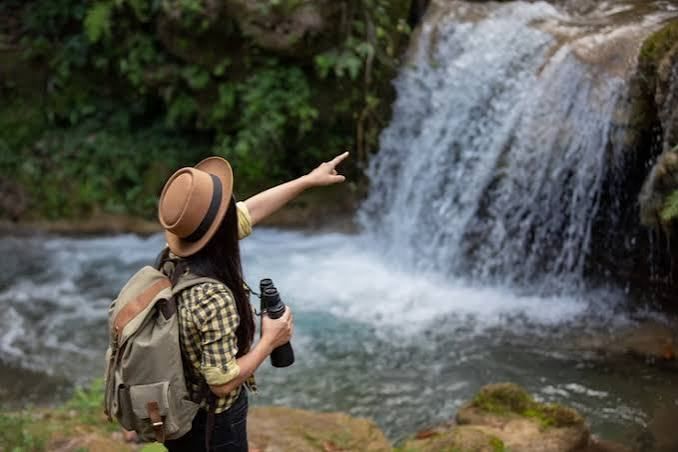
Landscape photography focuses on mountains, valleys, forests, deserts, coastlines, lakes, waterfalls, and other natural environments.
Travel planning may depend heavily on sunrise and sunset times, weather patterns, seasonal changes, and accessibility.
Wildlife Photography
Wildlife photography tourism involves traveling to locations where animals can be observed in natural or managed environments.
National parks, conservation areas, wetlands, forests, and marine habitats can provide opportunities for photographing birds, mammals, reptiles, and other wildlife.
Cultural Photography
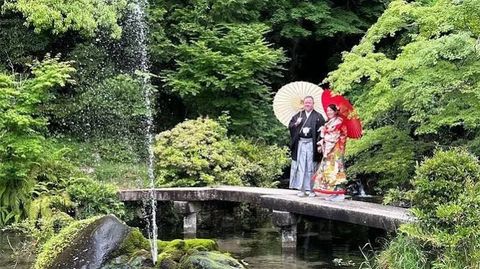
Cultural photography focuses on traditions, festivals, crafts, food, architecture, ceremonies, and everyday activities.
Respect for local customs is particularly important because some people, ceremonies, or religious locations may have restrictions on photography.
Architectural Photography
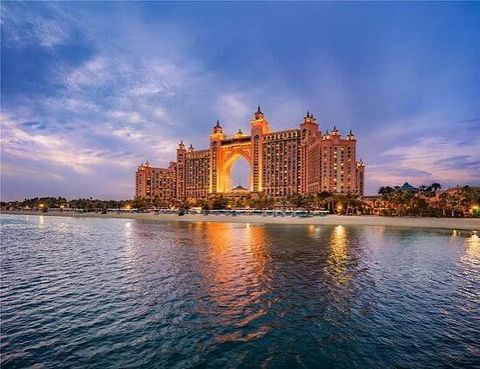
Historic buildings, modern structures, bridges, monuments, and urban environments are common subjects for architectural photography.
Cities with distinctive architectural styles can provide numerous subjects within a relatively small geographic area.
Street Photography
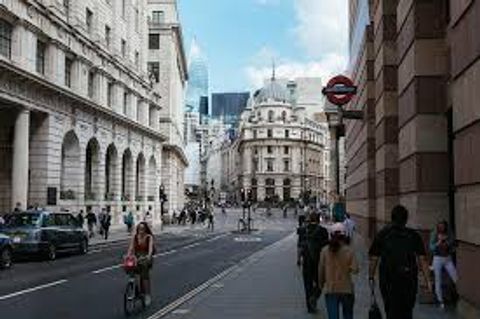
Street photography documents everyday scenes, public spaces, transportation, markets, and urban life.
Travelers should understand local expectations and privacy considerations before photographing identifiable people.
Astrophotography
Astrophotography-focused travel involves visiting locations with relatively dark skies to photograph stars, planets, the Milky Way, or other celestial subjects.
Weather, moon phases, light pollution, and seasonal visibility can influence planning.
Underwater and Marine Photography
Coastal areas, coral reefs, clear-water environments, and marine habitats can attract travelers interested in underwater photography.
This type of photography requires specialized equipment and careful attention to environmental protection.
Choosing a Photography Destination
Identify the Main Subject
The first step is deciding what type of photography is most important. A landscape-focused trip may require a very different destination and schedule than a wildlife or architectural photography trip.
Research Seasonal Conditions
Weather and seasonal changes can significantly affect photographic opportunities. Snow, autumn foliage, monsoon conditions, flowering seasons, migrations, and local festivals can all influence the appearance of a destination.
Check Accessibility
Some photography locations require long walks, hiking, boat transportation, permits, or specialized vehicles. Accessibility should be considered when creating an itinerary.
Research Local Rules
National parks, heritage sites, museums, religious locations, wildlife reserves, and other attractions may have photography restrictions.
Checking regulations before arrival helps prevent problems during the trip.
Planning the Photography Itinerary
A photography itinerary should balance planned locations with enough flexibility for changing conditions.
Early mornings and late afternoons often provide different natural-light conditions from midday. Travelers may therefore schedule important outdoor photography around available daylight and weather.
It is also useful to allow extra time at major locations. Moving rapidly between many sites can limit opportunities to respond to changing light, weather, wildlife activity, or unexpected scenes.
Photography Equipment for Travel
Equipment requirements depend on the photography style and destination.
| Photography Type | Common Equipment Considerations |
|---|---|
| Landscape | Wide-angle lens, tripod, filters |
| Wildlife | Telephoto lens, fast focusing camera |
| Architecture | Wide-angle lens, tripod |
| Street | Compact camera or standard lens |
| Astrophotography | Tripod, wide-aperture lens, remote shutter |
| Underwater | Waterproof housing and lighting |
| Cultural | Standard lens, spare batteries, storage |
Travelers should consider the weight, weather resistance, battery requirements, and transport rules associated with their equipment.
Managing Light and Weather
Light is one of the most important elements in photography. The same location can appear significantly different under morning, afternoon, sunset, overcast, or nighttime conditions.
Weather should not always be treated as an obstacle. Clouds, fog, rain, snow, and atmospheric conditions can change the mood and appearance of a scene.
However, equipment should be protected from moisture, dust, extreme temperatures, and other environmental conditions when necessary.
Responsible Photography Tourism
Photography tourism should respect people, communities, wildlife, and natural environments.
Respect Local Communities
Travelers should ask permission when appropriate, particularly when photographing individuals in personal, private, or culturally sensitive situations.
Follow Wildlife Guidelines
Wildlife should not be disturbed for a photograph. Maintaining appropriate distances and following park or conservation-area rules helps reduce stress on animals.
Protect Natural Areas
Travelers should remain on designated paths where required and avoid damaging vegetation, geological features, historical structures, or other sensitive locations.
Follow Cultural Restrictions
Some religious, cultural, or heritage sites may restrict photography or prohibit photography in specific areas. Local instructions should be followed.
Technology and Photography Tourism
Smartphones, mirrorless cameras, drones, GPS applications, editing software, and digital mapping tools have changed how travelers plan and document photography trips.
Mapping applications can help identify viewpoints and routes, while weather and astronomical applications can assist with planning around conditions. Image-management software can help organize large collections of photographs during and after a trip.
Drone photography can provide unusual perspectives, but regulations vary by country, region, protected area, and airspace classification. Travelers should verify applicable rules before flying.
Common Challenges
Weather Changes
Weather can change quickly, particularly in mountainous, coastal, and remote environments. Flexible itineraries can help accommodate changing conditions.
Crowded Locations
Popular viewpoints may become crowded during peak periods. Visiting at less busy times or exploring alternative viewpoints can provide more space for photography.
Equipment Weight
Carrying multiple lenses, tripods, batteries, and accessories can become physically demanding. Equipment selection should match the actual photography goals of the trip.
Battery and Storage
Remote locations may have limited access to electricity. Spare batteries, appropriate charging equipment, and sufficient storage capacity can be important.
Travel Restrictions
Airline baggage rules, security requirements, protected-area regulations, and local photography restrictions should be checked before departure.
Applications of Photography Tourism
Photography tourism can support several forms of travel and creative activity.
- Nature travel: Documenting landscapes, geological features, and natural environments.
- Wildlife travel: Photographing animals and birds while following conservation guidelines.
- Cultural travel: Recording traditions, architecture, festivals, and local craftsmanship.
- Heritage travel: Documenting historic structures and archaeological locations.
- Urban travel: Exploring streets, buildings, transportation, and city life.
- Creative projects: Building personal photography portfolios or long-term visual records.
Frequently Asked Questions
What is photography tourism?
Photography tourism is travel where photography is a central activity. Travelers select destinations and itineraries based partly on opportunities to photograph landscapes, wildlife, culture, architecture, or other subjects.
How do I plan a photography-focused trip?
Start by selecting a photography subject, researching suitable destinations and seasonal conditions, checking access and local rules, preparing equipment, and creating a flexible itinerary.
What equipment is useful for photography tourism?
Equipment depends on the subject. Common items include a camera or smartphone, suitable lenses, spare batteries, memory cards, a tripod, protective equipment, and charging accessories.
Is photography tourism suitable for beginners?
Yes. Beginners can start with a smartphone or basic camera and focus on composition, lighting, observation, and responsible photography rather than carrying extensive equipment.
How can travelers photograph people responsibly?
Travelers should respect privacy and local customs, ask permission when appropriate, and follow restrictions at cultural, religious, private, or sensitive locations.
Conclusion
Photography tourism combines exploration with visual documentation, allowing travelers to experience destinations through landscapes, wildlife, architecture, culture, and everyday scenes. Different photography styles require different destinations, schedules, equipment, and preparation.
Successful photography-focused travel involves researching seasonal conditions, planning around light and weather, checking local regulations, and allowing enough time at important locations. Responsible practices are equally important when photographing people, wildlife, cultural sites, and natural environments.
Whether using a smartphone or professional camera equipment, photography tourism can provide a structured way to explore destinations while creating a lasting visual record of the journey.