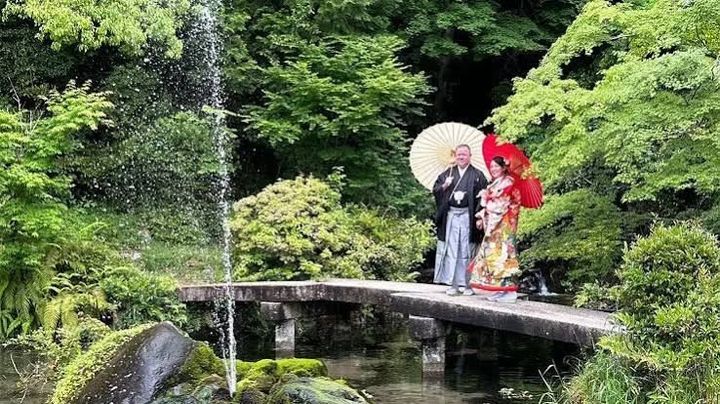
Japan Honeymoon Trip: Destinations, Itinerary, and Tips
A Japan honeymoon trip combines traditional culture, modern cities, scenic landscapes, distinctive cuisine, and experiences suited to couples.
apan offers a variety of destinations, from the urban atmosphere of Tokyo to the historic streets of Kyoto and the mountain scenery around Hakone.
Planning a honeymoon in Japan involves choosing destinations, deciding how many days to travel, understanding seasonal conditions, arranging transportation, and balancing sightseeing with time for relaxation. A thoughtful itinerary can combine major attractions with quieter experiences.
Why Choose Japan for a Honeymoon?
Japan has a diverse travel environment, allowing couples to experience several different settings during one trip. Cities provide cultural attractions, shopping districts, restaurants, museums, and entertainment, while rural areas provide mountains, lakes, gardens, and traditional communities.
The country's rail network also makes it possible to connect several major destinations within a single itinerary. Couples can combine Tokyo, Kyoto, Osaka, Hakone, Nara, or other locations depending on the available travel time.
Japan Honeymoon Destinations
Tokyo
Tokyo is often used as an arrival or departure point for international travelers. The city combines historic temples and gardens with modern neighborhoods, observation decks, restaurants, and cultural attractions.
Couples can explore areas such as Asakusa, Shibuya, Shinjuku, Ginza, and Odaiba. A visit to a traditional garden or an evening walk through one of the city's neighborhoods can provide a slower contrast to the busy sightseeing areas.
Kyoto
Kyoto is known for temples, shrines, gardens, traditional architecture, and historic neighborhoods. It can form an important part of a Japan honeymoon itinerary for couples interested in Japanese culture.
Popular areas include Gion, Arashiyama, Higashiyama, and Fushimi Inari. Early morning visits can provide a quieter experience at some popular locations.
Hakone
Hakone is located within reach of Tokyo and is known for mountain scenery, hot spring facilities, museums, and views of Mount Fuji when weather conditions are favorable.
Couples can spend a night or two in the area and include a traditional Japanese inn experience in their itinerary.
Osaka
Osaka provides a different urban atmosphere from Tokyo. The city is known for its food culture, entertainment districts, shopping areas, and nearby attractions.
Dotonbori, Osaka Castle, and the Umeda area are among the places commonly included in city itineraries.
Nara
Nara can be visited as a day trip from Kyoto or Osaka. The city is known for historic temples, traditional landscapes, and its free-roaming deer in Nara Park.
Its relatively compact sightseeing areas make it suitable for a shorter visit within a longer honeymoon itinerary.
Okinawa
For couples looking for beaches and a warmer climate, Okinawa provides a different side of Japan. The region includes islands, coastal scenery, marine activities, and distinctive local culture.
Okinawa may work particularly well as an additional destination when relaxation is a major part of the trip.
Suggested Japan Honeymoon Itinerary
A 10-day itinerary can provide enough time to experience several major destinations without changing hotels every day.
| Day | Destination | Suggested Activities |
|---|---|---|
| 1 | Tokyo | Arrival and relaxed neighborhood exploration |
| 2 | Tokyo | Asakusa, Shibuya, gardens, city attractions |
| 3 | Tokyo | Cultural attractions and evening exploration |
| 4 | Hakone | Travel from Tokyo, mountain scenery, hot spring experience |
| 5 | Kyoto | Travel to Kyoto and explore the surrounding area |
| 6 | Kyoto | Temples, gardens, Gion, traditional districts |
| 7 | Kyoto | Arashiyama and additional cultural attractions |
| 8 | Nara / Kyoto | Nara day trip and return to Kyoto |
| 9 | Osaka | Travel to Osaka and explore the city |
| 10 | Osaka / Tokyo | Final activities and departure |
This itinerary can be adjusted according to flight schedules, interests, seasonal conditions, and the amount of time available.
Romantic Experiences in Japan
Traditional Japanese Inn Stay
A stay at a traditional Japanese inn, known as a ryokan, can introduce couples to Japanese-style rooms, traditional meals, and bathing facilities.
Some properties are located in scenic areas where the accommodation itself becomes part of the travel experience.
Hot Spring Experience
Japan has numerous hot spring areas. Hakone, Beppu, Kusatsu, and several other regions are known for their bathing traditions.
Private bathing facilities may be available at some accommodations, while other facilities have separate bathing areas.
Scenic Train Journeys
Rail travel can become part of the honeymoon experience rather than simply a method of transportation. Mountain, coastal, and countryside routes provide opportunities to see landscapes between major destinations.
Cherry Blossom Viewing
Spring is associated with cherry blossoms in many parts of Japan. Parks, gardens, riverbanks, and historic areas can become popular viewing locations during the flowering period.
Because flowering dates vary by location and weather, couples should check seasonal forecasts when planning a spring trip.
Autumn Foliage
Autumn brings changing foliage to many parts of Japan. Kyoto, Nikko, Hakone, and several mountain regions are known for seasonal colors.
The timing varies across regions, so itinerary planning should consider the specific destinations being visited.
When to Plan a Japan Honeymoon
Spring
Spring is associated with cherry blossoms and mild conditions in many regions. It can also bring high visitor numbers around major sightseeing periods.
Summer
Summer is generally warmer and more humid in many parts of Japan. It can be suitable for mountain areas, northern regions, and beach destinations, although weather conditions vary.
Autumn
Autumn brings cooler temperatures and seasonal foliage. It is a popular period for cultural sightseeing and outdoor activities.
Winter
Winter provides opportunities for snow activities, winter landscapes, hot spring visits, and seasonal illumination events. Hokkaido and mountain regions are particularly associated with winter travel.
Transportation for a Japan Honeymoon
Japan has an extensive public transportation network. Trains, subway systems, buses, and domestic flights can all play a role depending on the itinerary.
High-speed trains connect major cities such as Tokyo, Kyoto, and Osaka. Local rail and bus networks can then be used to reach individual attractions.
For travelers planning several long-distance rail journeys, comparing individual fares with available rail passes and regional transportation options can help determine an appropriate travel arrangement.
Accommodation Planning
Accommodation can influence the pace and character of a honeymoon. Couples may choose a combination of city hotels, traditional ryokans, resort properties, and countryside accommodations.
In Tokyo and Osaka, staying near a major train or subway station can simplify daily travel. In Kyoto, location can be selected according to whether the focus is on historic districts, transportation access, or quieter surroundings.
For Hakone and other hot spring areas, the accommodation itself may be an important part of the itinerary.
Japan Honeymoon Packing Essentials
Packing requirements depend on the season and destinations.
Useful items may include:
- Comfortable walking shoes
- Weather-appropriate clothing
- Compact umbrella
- Universal travel adapter
- Portable battery
- Lightweight day bag
- Necessary medication
- Travel documents
- Comfortable layers for changing temperatures
Couples visiting rural or mountain areas should check local weather conditions before departure.
Planning Tips for Couples
Avoid Overloading the Itinerary
Japan has many attractions, but attempting to visit too many cities can make a honeymoon feel rushed. Allowing some open time can make the trip more comfortable.
Reserve Popular Experiences Early
Accommodation in popular destinations can become limited during busy travel periods. Restaurant reservations and selected activities may also require advance planning.
Consider Travel Time
A destination may appear close on a map but still require significant travel time when transfers and local transportation are included. Grouping nearby attractions together can reduce unnecessary travel.
Keep Some Flexible Days
Weather, fatigue, and unexpected schedule changes can affect travel plans. Keeping some flexibility allows couples to adjust activities without disrupting the entire itinerary.
Combine City and Relaxation
A balanced itinerary can include major cities alongside destinations focused on nature, traditional culture, or relaxation.
Frequently Asked Questions
How many days are suitable for a Japan honeymoon?
Around 7–14 days can provide enough time for a multi-city itinerary, although the appropriate duration depends on the destinations and activities selected.
Which places can be included in a Japan honeymoon?
Tokyo, Kyoto, Hakone, Osaka, Nara, and Okinawa are among the destinations that can be considered. The selection depends on interests, season, and available travel time.
What is a good month for a Japan honeymoon?
Spring and autumn are popular periods because of generally comfortable conditions and seasonal scenery. Summer and winter can also provide distinct experiences depending on the region.
Is Japan suitable for a first international honeymoon?
Japan has extensive public transportation, a variety of accommodation types, and destinations with different cultural and natural attractions. Advance planning can make multi-city travel easier to manage.
Should couples visit Tokyo and Kyoto on a honeymoon?
Tokyo and Kyoto provide contrasting experiences. Tokyo focuses heavily on modern urban life and contemporary culture, while Kyoto is known for historic architecture, temples, gardens, and traditional districts.
Conclusion
A Japan honeymoon trip can combine urban exploration, traditional culture, scenic landscapes, seasonal experiences, and relaxing stays. Tokyo, Kyoto, Hakone, Osaka, Nara, and Okinawa provide different settings that can be combined according to the couple's interests and available time.
A practical itinerary should account for transportation, accommodation locations, seasonal conditions, sightseeing time, and opportunities to relax. Rather than trying to cover every major attraction, couples can create a more comfortable journey by selecting a manageable group of destinations and leaving room for flexible experiences.