Transformer Oil Testing Guide for Electrical Insulation and Equipment Reliability
Transformer oil is used in many electrical transformers as an insulating and cooling medium.
Over time, heat, moisture, oxygen, electrical stress, and contaminants can change its physical and chemical properties. Transformer oil testing helps identify these changes by examining samples and measuring characteristics that indicate the condition of the insulating liquid and related equipment.
Transformer oil analysis has been used for decades as part of electrical equipment maintenance. Modern testing combines laboratory methods with portable instruments and monitoring technologies. The purpose is to gather information about oil condition and identify signs that may require closer examination.
Why Transformer Oil Is Tested
A transformer depends on insulation to keep electrical components separated from one another. The insulating oil fills spaces around internal components and also transfers heat away from areas where electrical and thermal activity occurs.
As oil ages, its properties can change. Water, particles, oxidation products, dissolved gases, and other contaminants may affect insulation performance. Transformer oil quality testing provides measurable information that can be compared with applicable technical requirements and previous test results.
Common areas examined during testing include:
- Dielectric strength and breakdown voltage
- Moisture content
- Acidity and oxidation indicators
- Appearance and contamination
- Dissolved gases
- Physical properties such as viscosity and density
Understanding Transformer Oil Testing Equipment
Transformer oil testing equipment ranges from compact field instruments to laboratory systems. A transformer oil testing kit may contain sampling accessories and instruments for selected measurements, while larger transformer oil test equipment can perform controlled electrical and physical tests.
Electrical transformer testing equipment is generally selected according to the type of examination being performed. Different measurements require different procedures, sample handling methods, and environmental conditions.
Importance
Transformer oil testing matters because transformers are important components in electrical generation, transmission, distribution, and industrial systems. Their condition can influence the continuity and safety of electrical operations.
For general users, transformer condition may seem distant from everyday life, but transformers are involved in moving electricity between different voltage levels. Their condition can therefore form part of the wider reliability of electrical networks.
Identifying Changes in Insulation Condition
Transformer insulation testing examines the condition of insulating materials through various measurements. Oil analysis provides another source of information because the liquid can contain evidence of thermal, electrical, and chemical changes occurring inside a transformer.
Transformer oil moisture testing is particularly important because water can influence the insulating characteristics of oil and solid insulation materials. Moisture measurements should be interpreted together with other available information rather than viewed independently.
Understanding Breakdown Voltage
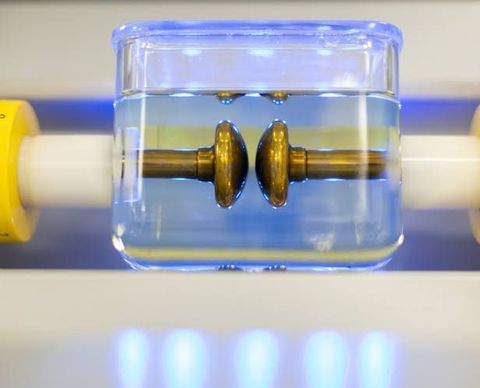
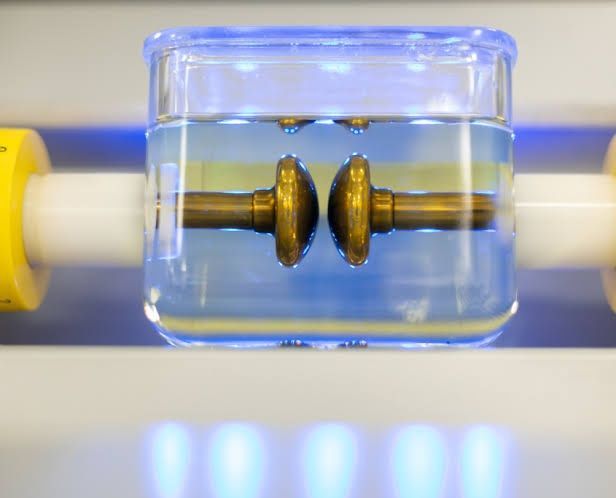
The transformer oil breakdown voltage test measures the voltage at which an electrical discharge occurs across a specified gap in an oil sample under controlled test conditions. A lower measured value can indicate the presence of moisture, particles, or other factors affecting dielectric strength.
Results can vary according to sampling practices, test equipment, electrode condition, temperature, and laboratory procedure. Consistent testing methods are therefore important when comparing results over time.
Detecting Internal Changes
Transformer dissolved gas analysis examines gases that may become dissolved in insulating oil. Certain gas patterns can be associated with thermal or electrical activity inside a transformer.
Dissolved gas analysis does not by itself establish a specific fault. Instead, gas concentrations and patterns are normally evaluated with operating history, previous measurements, transformer design, and other diagnostic information.
Recent Updates
From 2024 through 2026, transformer oil diagnostics have continued moving toward more digital measurement, improved data handling, and condition-based monitoring. The overall direction has been toward combining individual laboratory tests with historical records and online monitoring.
Digital Transformer Oil Analysis
Advanced transformer oil analysis equipment increasingly incorporates digital measurement, automated data recording, and software-assisted reporting. These capabilities can make it easier to organize repeated measurements and compare results from different testing periods.
Modern systems may also store historical records so that changes can be viewed over time. Trend information can be useful because a single measurement may not fully describe the condition of a transformer.
Portable and Laboratory Testing
Portable transformer oil diagnostic equipment allows selected tests to be conducted closer to the transformer. Laboratory testing remains important when more detailed chemical or physical analysis is required.
Transformer oil laboratory testing can examine multiple characteristics using controlled procedures. Field testing and laboratory analysis can therefore serve different purposes within a broader testing program.
Condition Monitoring and Data Integration
Transformer oil condition monitoring is increasingly connected with broader equipment monitoring. Sensors and digital platforms can collect information about temperature, load, moisture, gases, and other operating conditions.
Transformer condition monitoring equipment may combine several data sources to create a more complete picture of equipment behavior. Advanced transformer diagnostic systems can also help organize historical measurements for comparison and review.
| Test or Measurement | Main Information Provided | Typical Purpose |
|---|---|---|
| Breakdown voltage | Dielectric strength | Evaluate insulating performance |
| Moisture testing | Water content | Assess moisture-related changes |
| Dissolved gas analysis | Dissolved gas concentrations | Investigate possible internal activity |
| Acidity testing | Acidic compounds | Examine oil aging |
| Visual examination | Color and visible contamination | Identify apparent physical changes |
| Particle examination | Solid contamination | Assess particulate presence |
Increasing Use of Automated Analysis
Automation is also appearing in testing workflows. Some transformer diagnostic testing systems can automatically record measurements, apply calculation procedures, and organize reports.
These technologies can reduce manual recording during testing, but measurement quality still depends on proper sampling, instrument condition, calibration, and adherence to relevant testing procedures.
Tools and Resources
A range of tools and reference materials can support transformer oil testing. The appropriate equipment depends on the measurement, transformer type, testing environment, and applicable technical standards.
Testing Instruments
A transformer oil test equipment setup may include a dielectric breakdown tester, moisture analyzer, acidity testing equipment, gas analysis instruments, and sampling accessories.
A transformer oil testing kit may be designed for selected field measurements. More comprehensive arrangements can include complete transformer oil testing systems that combine several measurement capabilities.
Diagnostic and Monitoring Platforms
Transformer oil diagnostic equipment can be used to examine individual oil characteristics, while transformer condition monitoring equipment can collect information repeatedly during operation.
High voltage transformer testing systems are designed for controlled electrical testing associated with high-voltage equipment. Their use requires appropriate procedures, protective measures, and trained personnel because electrical testing can involve hazardous voltages.
Standards and Documentation
Technical standards provide procedures for collecting samples, preparing equipment, conducting tests, and interpreting measurements. Organizations such as the International Electrotechnical Commission and ASTM International publish standards relevant to electrical insulating liquids and testing methods.
Equipment manuals, laboratory procedures, maintenance records, and historical test reports can also provide useful reference information. Consistent documentation makes it easier to compare measurements from different testing periods.
Sampling and Record-Keeping Tools
Proper sampling is an important part of transformer oil testing. Containers, sampling valves, labels, environmental controls, and documented procedures can influence the quality and traceability of a sample.
Records may include:
- Transformer identification and operating information
- Sampling location and conditions
- Test method and instrument details
- Individual measurement results
- Previous test results for comparison
- Notes about unusual observations
FAQs
What is transformer oil testing?
Transformer oil testing is the examination of insulating oil to measure characteristics such as dielectric strength, moisture, acidity, contamination, and dissolved gases. The results provide information about oil condition and may help identify changes requiring further evaluation.
What does transformer oil testing equipment measure?
Transformer oil testing equipment can measure different properties depending on its design. Instruments may examine breakdown voltage, moisture, acidity, dissolved gases, or other physical and chemical characteristics.
Why is transformer oil moisture testing important?
Moisture can affect the dielectric behavior of insulating oil and can interact with solid insulation inside a transformer. Moisture results are therefore considered alongside other measurements and operating information.
What is transformer dissolved gas analysis?
Transformer dissolved gas analysis examines gases dissolved in transformer oil. The concentrations and relationships among gases can provide diagnostic information about possible thermal or electrical activity inside the equipment.
How often should transformer oil analysis be performed?
The appropriate frequency depends on transformer design, operating conditions, age, previous results, applicable maintenance procedures, and relevant technical guidance. Testing intervals can therefore vary between installations.
Conclusion
Transformer oil testing provides information about the condition of insulating oil and can contribute to broader transformer assessment. Methods such as breakdown voltage measurement, moisture testing, and dissolved gas analysis examine different aspects of oil and equipment behavior. Recent developments have expanded the use of digital records, portable instruments, laboratory analysis, and condition monitoring systems. Results are most meaningful when testing procedures, sampling practices, equipment information, and historical measurements are considered together.