A Guide to Women’s Scar Treatment and Skin Care
Scars are a natural part of the skin-healing process. They can develop after injuries, surgery, burns, acne, infections, or other forms of skin damage.
Their appearance can vary according to the depth of the original injury, location, skin characteristics, genetics, and healing process.
Women’s scar treatment includes skincare practices and professional procedures that may help reduce the appearance, texture, color, or thickness of certain scars. The appropriate approach depends on the type and age of the scar and whether it is flat, raised, depressed, or discolored.
What Is Scar Treatment?
Scar treatment refers to approaches used to manage the appearance and texture of scar tissue after a wound has healed.
Treatment may focus on:
- Reducing raised scar tissue
- Improving depressed scars
- Softening scar texture
- Reducing discoloration
- Supporting scar maturation
- Protecting scars from ultraviolet exposure
- Improving the overall appearance of affected skin
No single treatment works for every type of scar. Some scars gradually become less noticeable over time without intervention, while others may require professional assessment.
Common Types of Scars
Atrophic Scars
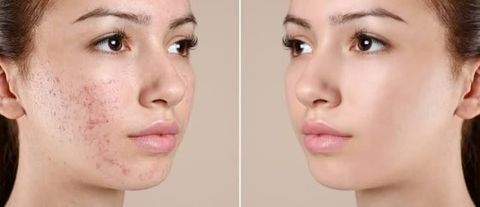
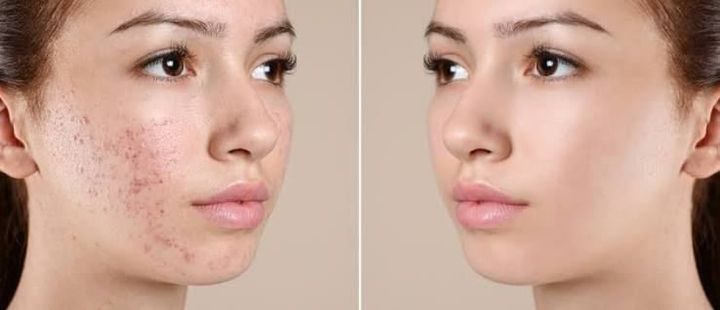
Atrophic scars are depressed areas of skin that develop when the skin does not produce enough supporting tissue during healing.
They are frequently associated with acne, chickenpox, or certain injuries.
Common types include:
- Ice-pick scars
- Boxcar scars
- Rolling scars
Different types may respond differently to professional procedures.
Hypertrophic Scars
Hypertrophic scars are raised scars that remain within the boundaries of the original wound.
They can develop after surgery, burns, injuries, or other forms of skin trauma.
Keloid Scars
Keloids are raised areas of scar tissue that extend beyond the original wound.
They can continue to grow after the original injury has healed. Because keloids can behave differently from ordinary scars, professional evaluation is important before selecting a treatment.
Contracture Scars
Contracture scars can occur when significant skin damage causes the skin to tighten during healing.
These scars may restrict movement when they occur near joints or other areas requiring flexibility. Medical assessment may be necessary.
Post-Inflammatory Marks
Dark or red marks can remain after acne or other inflammatory skin conditions. These marks are not always true scars because the skin's underlying structure may remain intact.
Distinguishing pigmentation from structural scarring is important when selecting treatment.
How Scar Treatment Works
1. Scar Assessment
Treatment generally begins by identifying the scar type, location, age, size, texture, and color.
A dermatologist or other qualified healthcare professional can determine whether the concern involves a true scar, pigmentation, or another skin condition.
2. Skin Protection
Sun exposure can make some scars and post-inflammatory marks more noticeable.
Using broad-spectrum sunscreen on exposed scarred areas can help reduce ultraviolet exposure and may help limit persistent discoloration.
3. Topical Care
Some topical products are used to support scar management.
Silicone-based gels and sheets are commonly used for certain raised scars. Other products may contain moisturizing or barrier-supporting ingredients.
Topical treatment should be selected according to scar type and skin tolerance.
4. Professional Treatment
Some scars may require procedures performed by qualified professionals.
Depending on the scar, options can include laser treatment, microneedling, chemical peels, corticosteroid injections, subcision, or surgical revision.
The appropriate procedure depends on the scar's structure and the individual's skin characteristics.
Types of Women’s Scar Treatment
| Treatment | Common Application | Main Consideration |
|---|---|---|
| Silicone gel or sheets | Selected raised scars | Requires consistent use |
| Topical skincare | Discoloration and surface care | Results depend on scar type |
| Microneedling | Selected depressed scars | Requires professional assessment |
| Laser treatment | Certain texture and color concerns | Device and settings vary |
| Chemical peels | Selected surface and pigmentation concerns | Skin type affects suitability |
| Corticosteroid injections | Certain raised scars | Usually performed by a clinician |
| Subcision | Selected depressed scars | Targets scar tethering |
| Surgical revision | Certain prominent scars | Requires medical evaluation |
Benefits of Scar Care
Supports Scar Maturation
Some scars gradually change in color, thickness, and texture as they mature. Appropriate care can support the healing process.
Helps Manage Raised Scars
Silicone-based products and certain medical treatments can be used for selected raised scars.
Addresses Uneven Color
Sun protection and selected topical or professional treatments can help manage certain types of persistent discoloration.
Improves Texture
Professional procedures such as microneedling or laser treatment may improve the appearance of certain textural scars.
Supports Skin Barrier Health
Gentle cleansing and moisturizing can help keep the surrounding skin comfortable and reduce unnecessary irritation.
Skincare for Scarred Skin
Gentle Cleansing
A mild cleanser can remove surface impurities without excessive friction.
Avoid aggressive scrubbing because mechanical irritation can worsen redness or discomfort.
Moisturizing
A moisturizer can support the skin barrier and reduce dryness around the scar.
Ingredients such as glycerin, ceramides, and petrolatum are commonly found in barrier-supporting formulations.
Sun Protection
Broad-spectrum sunscreen can help protect exposed scars and surrounding skin from ultraviolet radiation.
Scarred or recently healed skin may be particularly sensitive to sun exposure.
Avoiding Unnecessary Irritation
Picking, scratching, or repeatedly rubbing a healing scar can interfere with normal healing.
Strong exfoliating products should not be applied to open or incompletely healed wounds.
Factors That Affect Scar Appearance
Depth of the Original Injury
Deeper wounds can produce more noticeable scars because more layers of skin have been affected.
Location
Scars on areas subject to movement or tension may develop differently from scars on relatively stable areas.
Genetics
Individual healing characteristics influence how scar tissue develops.
Skin Type
Skin pigmentation can influence how redness or dark marks appear after an injury or inflammation.
Age of the Scar
Newer scars may continue to change over months or longer periods. Older scars may require different treatment approaches.
Infection or Delayed Healing
Wounds that become infected or take longer to heal can develop more noticeable scars.
Professional Scar Treatment Options
Microneedling
Microneedling uses small needles to create controlled micro-injuries in the skin.
It may be used for selected acne scars and other depressed scars. Multiple sessions may be required, and the procedure should be performed by a trained professional.
Laser Treatment
Different laser technologies target different skin structures.
Some lasers are used for pigmentation, while others can influence scar texture or collagen remodeling. The appropriate technology depends on the scar and skin characteristics.
Chemical Peels
Chemical peels use controlled chemical exfoliation to affect the outer layers of the skin.
They may be considered for selected superficial scars or associated pigmentation, but stronger peels require professional assessment.
Corticosteroid Injections
Corticosteroid injections can be used for certain raised scars, including some hypertrophic scars and keloids.
They are administered by qualified healthcare professionals and may require repeated treatments.
Subcision
Subcision is a procedure used for certain depressed scars that are tethered to deeper tissue.
A needle is used beneath the scar to release selected fibrous attachments. It is generally performed by a trained medical professional.
Surgical Scar Revision
Scar revision involves surgically modifying an existing scar.
It may be considered for selected scars when other approaches are not appropriate or when the scar causes functional problems. The procedure itself creates a new wound that will also undergo healing.
Scar Treatment by Scar Type
| Scar Type | Possible Treatment Approaches |
|---|---|
| Atrophic acne scars | Microneedling, laser procedures, subcision, selected peels |
| Hypertrophic scars | Silicone products, injections, selected laser procedures |
| Keloids | Medical evaluation, injections, selected procedures |
| Contracture scars | Specialist assessment and possible surgical treatment |
| Pigmented marks | Sun protection, selected topical or professional treatments |
| Surgical scars | Silicone products, laser procedures, injections, revision in selected cases |
Treatment selection should be based on professional assessment rather than scar type alone.
Safety Considerations
Scar treatment should not begin on an open, infected, or incompletely healed wound without appropriate medical guidance.
People with a history of keloid formation should tell their healthcare provider before undergoing procedures that intentionally injure the skin.
Professional procedures can cause temporary redness, swelling, irritation, pigmentation changes, infection, or other complications. The risks vary according to the procedure, skin type, treatment settings, and individual health factors.
A dermatologist should evaluate scars that are painful, rapidly changing, unusually raised, restricting movement, or repeatedly breaking down.
FAQs
What is the main purpose of scar treatment?
Scar treatment aims to manage the appearance, texture, color, thickness, or functional effects of scar tissue. The appropriate approach depends on the scar type and individual circumstances.
Can scars disappear completely?
Many scars become less noticeable as they mature, but complete disappearance is not always possible. Treatment can sometimes reduce their appearance or improve texture.
Is silicone useful for scars?
Silicone gels and sheets are commonly used for certain raised scars. Their suitability depends on the scar and the condition of the surrounding skin.
What treatments are used for acne scars?
Depending on the scar type, professional options can include microneedling, laser procedures, subcision, chemical peels, or other dermatological treatments.
When should a scar be examined by a dermatologist?
A dermatologist should evaluate scars that are painful, growing, very raised, affecting movement, repeatedly irritated, or not healing normally.
Conclusion
Women’s scar treatment includes a range of skincare practices and professional approaches for managing different types of scar tissue and associated skin changes. Atrophic, hypertrophic, keloid, contracture, and pigmentation-related concerns can require different strategies.
Gentle skincare, moisturizing, and sun protection can support general scar care, while silicone products may be appropriate for selected raised scars. Procedures such as microneedling, laser treatment, chemical peels, corticosteroid injections, subcision, and surgical revision may be considered for specific cases.
Because scars differ in structure, age, location, and healing behavior, professional assessment is important when a scar is persistent, raised, painful, changing, or affecting normal movement.