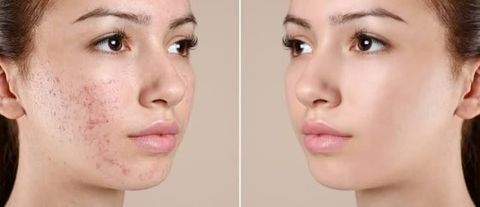
Natural Skin Glow Treatment: A Guide to Healthy Skincare Practices
A natural skin glow treatment generally refers to skincare practices that support healthy-looking skin through gentle cleansing, moisturization, sun protection, balanced nutrition, adequate sleep.
The idea of improving the appearance of skin has existed across many cultures, where plant-based ingredients, cleansing practices, and facial massage have traditionally been used as part of personal care.
Modern skin glow treatment combines these everyday practices with dermatological knowledge about the skin barrier, pigmentation, hydration, inflammation, and skin aging. A natural skin care treatment may involve simple routines at home, while clinical approaches can include facial skin treatment, skin rejuvenation treatment, or other procedures performed under appropriate professional supervision.
The appearance of skin is influenced by several factors. Genetics, age, environmental exposure, sunlight, hydration, hormones, lifestyle, and existing skin conditions can all affect texture and complexion. Therefore, glowing skin treatment is not one single procedure but a broad category covering different approaches to maintaining healthy skin.
Understanding Healthy Skin
Healthy-looking skin normally has an intact protective barrier that helps limit moisture loss and protects against environmental irritants. Regular cleansing removes accumulated oil, sweat, cosmetics, and environmental particles without unnecessarily disturbing this barrier.
Moisturizers help maintain hydration, while sunscreen helps reduce exposure to ultraviolet radiation. These basic practices are relevant whether someone follows a natural skin glow treatment routine or combines home care with professional approaches.
Common Skin Concerns
People may seek skincare guidance for concerns such as dryness, uneven texture, visible pigmentation, dull appearance, fine lines, or changes associated with sun exposure. Some concerns can be addressed through routine skincare, while persistent or changing conditions may require assessment by a qualified healthcare professional.
Skin brightening treatment is generally intended to improve the appearance of uneven complexion rather than change a person's natural skin color. Similarly, facial rejuvenation treatment can refer to approaches intended to improve the appearance of texture, fine lines, or other visible changes associated with aging.
Importance
Skin is the body's largest organ and provides a physical barrier between internal tissues and the surrounding environment. Maintaining its protective function is important for people of different ages and skin types.
A consistent skincare routine can also help people understand how their skin responds to different products and environmental conditions. Using numerous products simultaneously can make it difficult to determine which ingredient is causing irritation or dryness.
Everyday Practices That Support Skin Health
Several routine habits can contribute to healthy-looking skin:
- Gentle cleansing can remove accumulated substances without excessive rubbing.
- Regular moisturization can help support the skin barrier.
- Sun protection can reduce ultraviolet exposure that contributes to premature skin changes.
- Adequate sleep supports normal biological processes involved in tissue maintenance.
- A balanced diet provides nutrients needed for normal skin function.
- Avoiding unnecessary irritation can help reduce dryness and sensitivity.
These practices form the foundation of many natural skin glow treatment routines. They are also relevant before or after certain professional skin treatments, depending on the procedure and individual circumstances.
Understanding Pigmentation
Skin pigmentation is influenced by melanin, a pigment produced by specialized skin cells. Sun exposure, inflammation, hormonal changes, and certain skin conditions can contribute to areas of increased pigmentation.
Skin pigmentation treatment can vary considerably depending on the underlying cause. A pigmentation removal treatment should therefore not be viewed as a single universal approach. Appropriate assessment is important because some dark or changing skin marks may require medical evaluation rather than cosmetic treatment.
Skin Aging and Rejuvenation
Skin changes naturally with age. Collagen production, elasticity, moisture retention, and cell turnover can change over time, contributing to differences in texture and appearance.
An anti aging skin treatment may focus on hydration, sun protection, topical ingredients, or procedures designed to address particular visible concerns. A collagen skin treatment may similarly refer to approaches intended to support or stimulate collagen-related changes, but outcomes depend on the method, skin characteristics, and individual response.
| Approach | Main Purpose | General Consideration |
|---|---|---|
| Gentle cleansing | Remove accumulated substances | Avoid excessive rubbing |
| Moisturization | Support skin hydration | Product selection depends on skin type |
| Sun protection | Reduce ultraviolet exposure | Consistent use is important |
| Facial skincare | Address specific appearance concerns | Ingredients should suit individual tolerance |
| Clinical rejuvenation | Address selected texture or aging concerns | Professional assessment may be appropriate |
| Pigmentation care | Address uneven pigmentation | Cause should be considered before treatment |
Recent Updates
From 2024 through 2026, skincare discussions have increasingly focused on maintaining the skin barrier, simplifying routines, protecting against ultraviolet exposure, and selecting ingredients according to individual skin needs. There has also been greater public interest in evidence-based approaches rather than routines built around numerous products.
Skin Barrier and Ingredient Awareness
Current skincare education places considerable attention on the skin barrier. Excessive cleansing, frequent exfoliation, or combining multiple potentially irritating ingredients may contribute to dryness and sensitivity.
Natural ingredients are also receiving continued attention, but natural does not automatically mean suitable for every person. Plant extracts and essential oils can cause irritation or allergic reactions in some individuals, making gradual introduction and appropriate product selection relevant considerations.
Professional and Technology-Based Approaches
Professional skin rejuvenation may include procedures such as chemical exfoliation, controlled energy-based treatments, or other dermatological techniques. Advanced facial rejuvenation can involve combinations of approaches selected according to specific concerns and skin characteristics.
Laser skin rejuvenation treatment is one example of an energy-based approach used in some clinical settings to address selected skin concerns. Advanced skin rejuvenation treatment and advanced skin brightening treatment may involve specialized procedures, but suitability depends on factors such as skin type, medical history, pigmentation patterns, and the specific technology used.
Personalization and Skin Type
Another current direction is greater attention to individual skin characteristics. A routine appropriate for dry skin may not suit oily or highly sensitive skin, while pigmentation concerns can vary considerably between individuals.
This has encouraged more personalized approaches to natural skin care treatment and facial skin treatment. Rather than treating skin appearance as a single issue, current approaches commonly consider hydration, sensitivity, pigmentation, texture, sun exposure, and age-related changes separately.
Tools and Resources
Several practical resources can help people understand and organize skincare routines. A simple skincare diary can record products, application frequency, irritation, dryness, and other changes over time.
Useful Skincare Resources
Helpful resources may include:
- Sunscreen guidance from recognized dermatology and public-health organizations.
- Ingredient reference guides for understanding common skincare components.
- Skin-type questionnaires used as general educational tools.
- Routine planners for recording cleansing, moisturization, and sun-protection habits.
- Dermatology references explaining pigmentation, acne, skin aging, and irritation.
- Product ingredient lists that help users identify substances in their routine.
Digital skincare platforms can also help organize product information or routine schedules. However, automated recommendations should not replace professional assessment when a skin concern is persistent, painful, rapidly changing, or difficult to identify.
When Professional Assessment Matters
Professional skin treatments may be considered for concerns that do not respond to routine skincare or require specialized procedures. A qualified dermatologist or other appropriate healthcare professional can assess whether a particular facial treatment, skin pigmentation treatment, or rejuvenation procedure is suitable.
People with sensitive skin, persistent rashes, unexplained changes, or unusual pigmentation should approach treatment carefully. Skin procedures can have side effects, and the risks depend on the technique, equipment, settings, and individual characteristics.
FAQs
What is a natural skin glow treatment?
A natural skin glow treatment usually refers to everyday practices that support healthy-looking skin, including gentle cleansing, moisturization, sun protection, balanced nutrition, and adequate sleep. It does not refer to one standardized medical procedure.
Does skin brightening treatment change natural skin color?
Skin brightening treatment is generally intended to improve the appearance of uneven pigmentation or dull-looking skin. It should not be understood as a method for changing a person's natural skin color.
What is laser skin rejuvenation treatment?
Laser skin rejuvenation treatment uses controlled laser energy for selected skin concerns, depending on the technology and clinical approach. Different laser systems have different purposes, and professional assessment is relevant before treatment.
Is professional skin rejuvenation suitable for everyone?
Professional skin rejuvenation is not universally suitable for every person or skin type. Factors such as pigmentation, sensitivity, existing skin conditions, medications, and the specific procedure can influence suitability.
What is the difference between skin rejuvenation and pigmentation treatment?
Skin rejuvenation treatment generally addresses concerns such as texture, fine lines, or visible signs of aging. Pigmentation treatment focuses more specifically on uneven areas of skin color, although some procedures may address both concerns.
Conclusion
Natural skin glow treatment is generally based on maintaining healthy skin through consistent daily habits, appropriate hydration, sun protection, and careful product selection. Professional approaches such as facial rejuvenation treatment, skin pigmentation treatment, and laser skin rejuvenation treatment address more specific concerns and require consideration of individual skin characteristics. Recent skincare practices increasingly emphasize skin-barrier support, ingredient awareness, personalization, and informed use of technology. Healthy-looking skin is influenced by multiple factors, so skincare approaches vary according to individual needs and circumstances.