Automatic Dosing System: An Overview of Precision Dosing Technology
An automatic dosing system is a technology used to measure and introduce a specific quantity of a liquid, chemical, or other material into a process.
These systems are used in water treatment, manufacturing, agriculture, food processing, pharmaceuticals, and other environments where controlled quantities are important. The basic purpose is to make dosing more consistent and reduce the need for repeated manual measurement.
The concept developed from mechanical metering equipment and manually operated pumps. As sensors, controllers, and digital monitoring became more common, dosing equipment evolved into automated systems capable of adjusting flow according to predefined settings or process information.
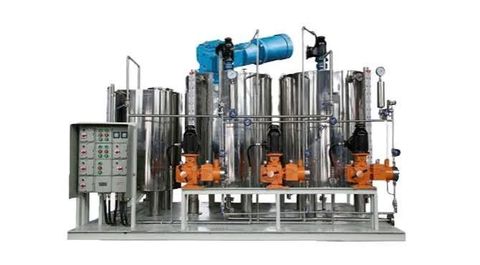
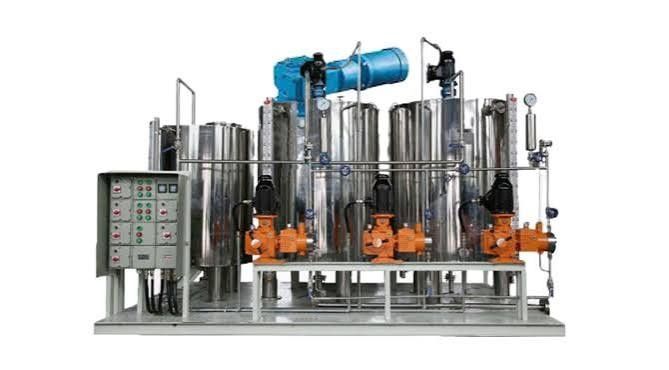
An automatic dosing system commonly combines a storage container, metering pump, control unit, tubing or piping, valves, and measurement devices. Depending on the application, the system may also include sensors that monitor factors such as flow, pH, conductivity, pressure, or chemical concentration.
How Automatic Dosing Equipment Works
Automatic dosing equipment generally begins with a material stored in a dedicated tank or container. A pump then moves a measured quantity through a delivery line into a process stream, mixing vessel, treatment tank, or other destination.
The controller determines when and how much material should be introduced. Some automated dosing systems operate according to a fixed schedule, while others adjust dosing according to readings from connected sensors.
Metering pump dosing systems are commonly used because metering pumps can be configured to deliver controlled quantities at defined rates. Pump selection depends on factors such as liquid characteristics, required flow range, pressure, temperature, and compatibility with the materials being handled.
Main Types of Dosing Systems
Different applications require different configurations. A simple automatic liquid dosing system may use a timer and pump, while a more advanced installation may combine several sensors and automated control functions.
| System Type | Typical Application | Main Control Consideration |
|---|---|---|
| Chemical dosing system | Water and industrial processes | Chemical quantity and concentration |
| Automatic liquid dosing system | Manufacturing and processing | Liquid flow rate |
| Water treatment dosing systems | Water treatment processes | Water quality parameters |
| Pharmaceutical dosing equipment | Controlled production environments | Measurement accuracy and process controls |
| Industrial metering pump systems | Industrial fluid handling | Flow, pressure, and material compatibility |
| High precision dosing systems | Applications requiring controlled quantities | Fine adjustment and monitoring |
Importance
Controlled dosing matters because the amount of material introduced into a process can affect the process itself. Too much or too little of a substance may change chemical conditions, product characteristics, treatment performance, or operating stability.
Industrial dosing systems are therefore used in processes where measured quantities need to follow defined requirements. The systems can also reduce repetitive manual measuring and provide records or readings that help operators understand dosing activity.
Applications in Water Treatment
Water treatment is a major application area for automated dosing. Water treatment dosing systems can introduce treatment chemicals or conditioning materials into water streams according to defined process requirements.
An automated water treatment dosing system may use measurements such as flow rate, pH, or other water-quality information to determine dosing activity. The exact control method depends on the treatment process and the characteristics of the water being handled.
Applications in Industrial Processes
Industrial chemical dosing systems are used in manufacturing and processing environments where liquids or chemicals need to be introduced in controlled quantities. Examples include process-water treatment, industrial cleaning processes, chemical preparation, and material conditioning.
Automatic chemical dosing equipment can be configured for continuous or batch processes. Equipment selection generally considers chemical properties, required dosing range, operating pressure, temperature, and compatibility between the chemical and system components.
Applications in Pharmaceutical Production
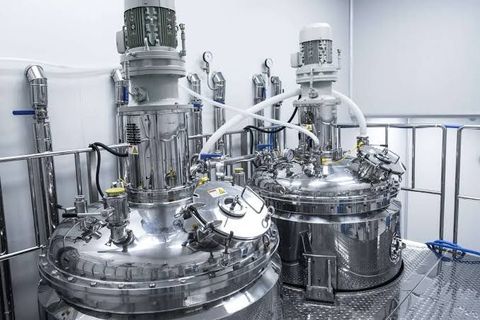
Pharmaceutical dosing equipment is used in controlled production environments where measured quantities are part of a defined manufacturing process. Such systems can incorporate pumps, containers, sensors, controllers, and monitoring functions.
The requirements for these environments can be different from those of general industrial applications. Documentation, material compatibility, cleaning procedures, measurement controls, and process validation may be important depending on the application and applicable regulations.
Reducing Manual Variation
Manual dosing can involve repeated measuring and adjustment. Automated equipment can perform predefined dosing sequences, which may reduce variation associated with repetitive manual handling.
However, automation does not remove the need for monitoring. Pumps, sensors, tubing, valves, controllers, and containers can experience wear, blockage, calibration changes, or other operational issues.
Recent Updates
From 2024 through 2026, dosing technology has increasingly developed around digital monitoring, connected sensors, improved control interfaces, and integration with broader industrial automation systems. The general direction has been toward systems that can collect more process information and use it to regulate dosing activity.
Greater Use of Digital Monitoring
Modern automated dosing equipment can be connected to digital controllers and monitoring platforms. Operators may be able to view pump status, dosing rates, alarms, tank levels, and selected process measurements through a centralized interface.
This connectivity can make operating information easier to review. It can also create additional requirements for access control, data management, and cybersecurity when equipment is connected to wider networks.
Sensor-Based Dosing
Advanced precision dosing systems increasingly use sensors to relate dosing activity to changing process conditions. For example, a controller can receive a measurement and adjust pump operation according to predefined control logic.
This approach differs from a fixed timer because dosing can respond to process information. The reliability of such systems depends partly on sensor condition, calibration, installation, and the quality of the control settings.
More Integrated Automation
Automated chemical dosing equipment is also being integrated with industrial automation platforms. A dosing unit may exchange information with programmable controllers, supervisory systems, or plant monitoring platforms.
Advanced chemical dosing systems can therefore become part of a wider industrial control environment rather than operating as isolated equipment. Integration can also make system design more complex because communication, cybersecurity, and equipment compatibility must be considered.
Focus on Precision and Monitoring
High precision dosing systems are increasingly designed around accurate metering, feedback information, and electronic control. These features are relevant in applications where small changes in material quantity can influence a larger process.
At the same time, precision depends on the complete system rather than the pump alone. Fluid properties, pressure changes, tubing conditions, calibration, installation, and control settings can all influence dosing behavior.
Tools and Resources
Several tools can help users understand, plan, or monitor dosing systems. The appropriate resource depends on whether the objective is process calculation, equipment selection, system documentation, or operational monitoring.
Dosing Calculators and Process Data
Dosing calculations commonly use factors such as concentration, flow rate, required dosage, and operating time. A basic calculation may be represented as:
Required dosing rate = Process flow × Required dosage
The units must be consistent, and the actual calculation method can vary according to concentration, density, chemical formulation, and process requirements.
Documentation and Planning Tools
Useful resources can include:
- Dosing calculation worksheets for documenting flow and dosage requirements.
- Pump sizing references for comparing flow and pressure requirements.
- Process flow diagrams for showing where dosing equipment connects to a process.
- Equipment manuals for operating limits and maintenance information.
- Sensor documentation for understanding measurement ranges and calibration requirements.
- Control-system documentation for defining alarms, operating sequences, and communication requirements.
Monitoring Platforms
Industrial automatic dosing equipment may be monitored through local control panels or broader plant automation platforms. These interfaces can display operating conditions, alarms, pump activity, tank levels, and other selected information.
For larger installations, complete industrial automatic dosing systems may integrate several dosing units with centralized monitoring. Such configurations can help organize information from multiple process areas while maintaining defined control boundaries.
FAQs
What is an automatic dosing system?
An automatic dosing system measures and introduces a controlled quantity of material into a process. It commonly uses a pump, storage container, controller, and delivery equipment, with sensors added when process-based control is required.
How do automated dosing systems improve dosing consistency?
Automated dosing systems follow predefined control instructions rather than relying entirely on repeated manual measurement. Their consistency depends on correct configuration, equipment condition, calibration, and appropriate process monitoring.
What are industrial dosing systems used for?
Industrial dosing systems are used to introduce measured quantities of liquids or chemicals into manufacturing, water treatment, processing, and other industrial operations. The configuration varies according to the material and process requirements.
What is the role of a metering pump dosing system?
A metering pump dosing system uses a pump designed to deliver a controlled quantity of fluid. Pump settings can be adjusted according to the required flow, pressure, operating conditions, and characteristics of the material.
Where are precision dosing equipment systems used?
Precision dosing equipment is used in applications where controlled quantities are important. Examples include water treatment, chemical processing, pharmaceutical production, laboratory processes, and selected manufacturing operations.
Conclusion
An automatic dosing system combines controlled fluid delivery with pumps, containers, controllers, and, in many cases, sensors. Its applications range from water treatment and industrial chemical handling to pharmaceutical and manufacturing processes. Recent developments have emphasized digital monitoring, sensor-based control, system integration, and precision measurement. The performance of any dosing arrangement depends on its design, calibration, materials, operating conditions, and ongoing monitoring.