Autonomous Forklifts: An Overview of Automated Material Handling Systems
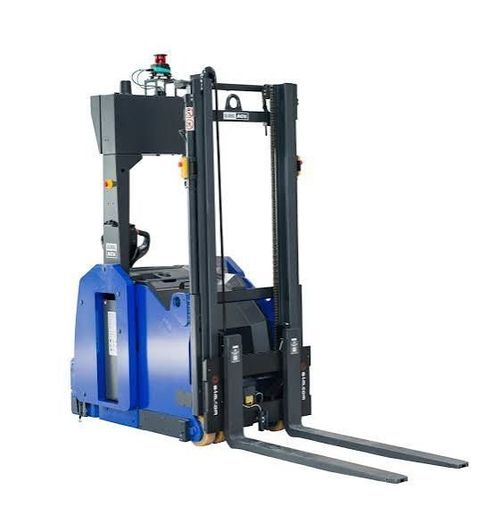
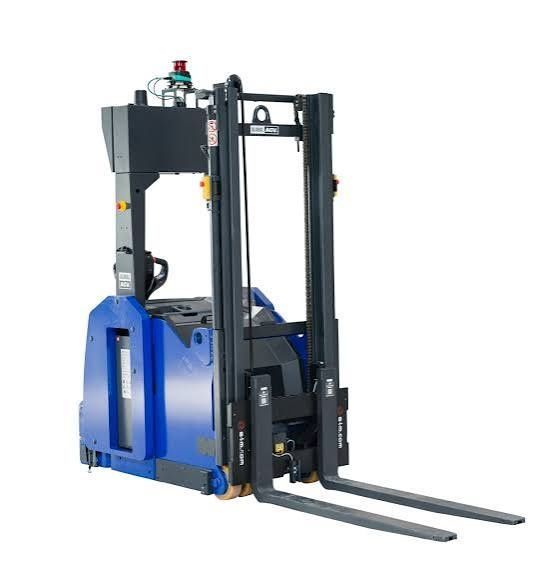
Autonomous forklifts are industrial vehicles designed to move, lift, and place materials with limited direct human control.
They use technologies such as sensors, cameras, navigation systems, onboard computers, and control software to understand their surroundings and follow planned routes. These machines developed from conventional forklifts and automated guided vehicles as warehouses and manufacturing facilities began adopting more digitally coordinated material movement.
Autonomous forklift systems are part of a broader shift toward automated material handling systems. Traditional forklifts normally require an operator to control steering, speed, lifting, and positioning. In contrast, automated forklifts can use programmed instructions and navigation technologies to perform selected material movement activities.
How Autonomous Forklifts Work
A typical autonomous forklift combines several technologies to identify its location, detect objects, and plan movement. Depending on the design, it may use cameras, laser-based sensors, proximity sensors, mapping systems, wireless communication, and onboard computing.
Self driving forklifts generally operate within defined areas where routes, storage locations, loading points, and safety boundaries have been established. The vehicle receives information about a task, determines an appropriate movement path, and adjusts its motion based on information collected from its surroundings.
Robotic forklifts can also communicate with warehouse management or fleet coordination software. This allows material movement instructions to be connected with inventory records, production schedules, or other digital workflows.
From Guided Vehicles to Autonomous Systems
Earlier automated material movement technologies often depended on fixed routes, magnetic guidance, floor markings, reflectors, or predefined paths. These approaches remain relevant in some facilities, but newer autonomous forklift technology can use digital maps and environmental sensing to navigate more dynamically.
The development of autonomous warehouse forklifts has therefore involved a gradual combination of robotics, navigation, machine vision, wireless communication, and software. The result is a category of equipment that can perform specific transportation and lifting activities within controlled environments.
Importance
Material movement is a routine part of warehouses, distribution centers, manufacturing plants, and storage facilities. Workers may need to transport pallets between receiving areas, storage racks, production zones, and shipping areas. Repeated movement tasks can involve long travel distances and frequent vehicle operation.
Autonomous material handling equipment addresses some of these repetitive activities by allowing machines to carry out defined transportation tasks. This can change how workers interact with material movement processes, with people potentially focusing on activities that require decision-making, inspection, coordination, or physical handling that automated equipment cannot perform.
Supporting Warehouse Operations
Warehouse automation forklifts can be integrated into processes where pallets or containers need to move between known locations. For example, an autonomous vehicle may receive an instruction to collect a pallet from a staging area and transport it to a designated storage position.
Autonomous warehouse automation can also coordinate several movement activities through centralized software. Depending on the system, tasks may be assigned according to vehicle location, workload, destination, and current operating conditions.
Workplace and Operational Considerations
Automation does not remove the need for workplace planning. Facilities using robotic material handling equipment need to consider pedestrian movement, equipment routes, loading areas, emergency procedures, maintenance, and operator interaction.
Industrial autonomous forklifts may work alongside people, manually operated vehicles, and other automated equipment. Clear separation, detection systems, warning mechanisms, speed controls, and appropriate operating procedures can help manage interactions between different types of equipment.
Where Autonomous Forklifts Are Used
Common applications include:
- Moving pallets between receiving and storage areas.
- Transporting materials between warehouse zones.
- Supplying production lines with components.
- Moving finished goods to designated staging locations.
- Handling repetitive horizontal transportation tasks.
- Coordinating material movement within structured facilities.
The suitability of an autonomous forklift depends on factors such as floor conditions, facility layout, pallet types, traffic patterns, storage configuration, and the nature of the materials being handled.
Recent Updates
Between 2024 and 2026, development in autonomous forklifts has generally focused on improved navigation, sensing, software integration, fleet coordination, and the ability to operate in environments with changing conditions. These developments are part of a wider expansion of advanced warehouse robotics and intelligent warehouse automation systems.
More Flexible Navigation
Modern smart forklift systems increasingly use combinations of sensors and digital mapping rather than relying exclusively on fixed physical guidance. This can allow autonomous vehicles to recognize obstacles and adjust routes within defined operating areas.
Improved perception technologies can also help vehicles distinguish between fixed objects, pallets, equipment, and moving people. However, performance depends on environmental conditions, sensor configuration, system design, and facility management.
Integration With Digital Warehouse Systems
Automated forklift systems are increasingly connected with warehouse management software and other digital platforms. Such integration can allow movement instructions to be linked with inventory information and warehouse workflows.
Autonomous material handling systems may also communicate with fleet management platforms. These platforms can coordinate multiple vehicles, monitor task assignments, and provide information about equipment status.
AI and Advanced Robotics
Artificial intelligence is increasingly being explored for perception, route planning, object recognition, and decision-support functions within warehouse robotics. AI can help systems interpret complex sensor information, although automated decisions still depend on the quality of available data and the boundaries established by system designers.
Advanced autonomous forklift systems may combine AI-supported perception with established navigation and control methods. This creates a hybrid approach in which conventional automation provides predictable control while newer technologies help manage changing surroundings.
| Feature | Conventional Forklift | Automated Forklift | Autonomous Forklift |
|---|---|---|---|
| Human driving | Required | Limited or task-dependent | Limited during automated operation |
| Navigation | Operator controlled | Programmed guidance | Sensors and digital navigation |
| Route flexibility | Depends on operator | Usually predefined | Can adjust within defined limits |
| Environmental sensing | Primarily operator perception | System dependent | Multiple sensors may be used |
| Digital integration | Varies | Common in automated facilities | Often designed for connected workflows |
| Fleet coordination | Manual | Possible | Common in coordinated systems |
Tools and Resources
Understanding autonomous forklift technology involves more than examining the vehicle itself. Facility layout, workflow design, safety planning, software integration, and equipment specifications all influence how an automated material handling system operates.
Planning and Layout Resources
Digital warehouse layout tools can be used to map storage locations, travel paths, loading points, pedestrian areas, and equipment zones. Process mapping templates can help document how materials move through a facility before automation is introduced.
Useful planning resources include:
- Warehouse layout diagrams for identifying movement routes.
- Process maps for documenting material flows.
- Capacity worksheets for estimating pallet movement requirements.
- Risk assessment templates for reviewing vehicle and pedestrian interactions.
- Equipment specification sheets for comparing technical characteristics.
Navigation and Fleet Software
Autonomous forklift systems commonly depend on software that manages navigation, task instructions, equipment status, and communication with other systems. Fleet management platforms can coordinate multiple robotic vehicles and distribute tasks according to configured rules.
Warehouse management systems can provide information about inventory locations and movement requirements. Connecting these systems can create a more coordinated workflow between storage records and physical material movement.
Safety and Technical Resources
Organizations can also consult relevant workplace safety guidance, equipment manuals, technical standards, and facility-specific operating procedures. These resources can help explain requirements related to pedestrian areas, machine operation, inspection, maintenance, and emergency response.
FAQs
What are autonomous forklifts?
Autonomous forklifts are material-handling vehicles that can perform selected transportation and lifting activities with limited direct human control. They use technologies such as sensors, navigation software, cameras, and onboard computing to operate within defined environments.
How do autonomous forklift systems navigate?
Autonomous forklift systems may use cameras, laser-based sensors, mapping technologies, positioning systems, and other sensors to determine location and detect surroundings. Navigation methods vary between equipment and operating environments.
What are automated forklifts used for?
Automated forklifts are commonly used for repetitive material movement, such as transporting pallets between receiving areas, storage locations, production zones, and staging points. Their use depends on facility layout and workflow requirements.
Are self driving forklifts safe around people?
Self driving forklifts are designed with safety technologies such as obstacle detection, controlled speeds, warning systems, and programmed operating boundaries. Their safe operation also depends on facility design, appropriate procedures, maintenance, and interactions with workers and other vehicles.
What is the difference between robotic forklifts and autonomous material handling equipment?
Robotic forklifts are a specific type of automated vehicle designed to perform forklift-related material movement. Autonomous material handling equipment is a broader category that can include robotic forklifts, autonomous mobile robots, automated carts, and other systems used to move materials.
Conclusion
Autonomous forklifts combine forklift functions with navigation, sensing, software, and robotic control technologies. They form part of a wider development in automated material handling systems used across warehouses and industrial facilities. Recent developments have focused on flexible navigation, digital integration, fleet coordination, and AI-supported perception. Their operation remains dependent on suitable facility conditions, defined workflows, technical controls, and appropriate safety procedures.