Foundry Automation Systems: A Guide to Modern Casting Automation
Foundry automation systems use mechanical equipment, sensors, controllers, software, and robotics to support metal casting processes.
A foundry typically receives metal in a solid or processed form, melts it, prepares molds, pours molten metal, allows castings to solidify, and then removes and finishes the parts. Automation can connect several of these stages so that repeated activities are performed according to defined operating instructions.
Foundry automation developed as casting operations became larger, more complex, and more dependent on consistent process control. Earlier foundries relied heavily on manual handling and mechanical equipment. Modern systems can combine automated molding systems, robotic arms, material handling equipment, inspection technologies, and digital monitoring.
How Casting Automation Works
Casting begins with preparing a mold that provides the required shape for the final component. Molten metal is then introduced into the mold and allowed to cool before the casting is removed for subsequent operations.
Automated casting systems can coordinate individual stages of this sequence. Depending on the production environment, automation may control mold preparation, pouring, cooling, casting removal, trimming, cleaning, inspection, and movement between work areas.
Foundry automation equipment can include:
- Automated molding machines for preparing casting molds.
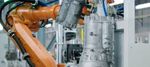
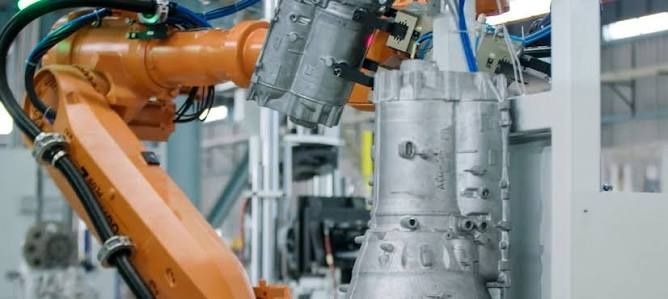
- Robotic arms for handling molds, castings, and tools.
- Pouring equipment for transferring molten metal into molds.
- Conveyors and lifting equipment for material movement.
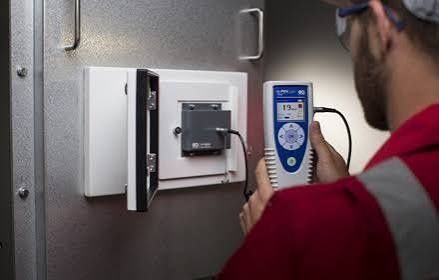
- Sensors for monitoring temperature, position, pressure, and equipment status.
- Control systems for coordinating machines and production steps.
Industrial foundry automation can therefore involve one automated machine or a connected group of machines working through several stages.
Main Types of Foundry Automation
Automated foundry systems vary according to the casting method, material, component size, production volume, and required process controls. A small casting operation may automate one repetitive task, while a larger facility may integrate multiple production stages.
Foundry robotics systems are commonly used where repeated movement, lifting, pouring, trimming, or handling is required. Robotic casting systems can be programmed to follow specific movement patterns while sensors and control systems monitor operating conditions.
Automated metal casting equipment may also be integrated with molding, cooling, finishing, and inspection systems. This creates a connected production environment in which information and materials move between stages with less manual intervention.
Importance
Foundry automation matters because casting involves demanding physical environments and numerous repetitive activities. Workers may need to operate around high temperatures, heavy components, moving machinery, dust, noise, and other industrial conditions.
Automation can help separate people from some repetitive or physically demanding operations. It can also provide structured control over repeated movements and process parameters, although human supervision remains an important part of many foundry operations.
Improving Process Consistency
Repeated casting activities need to follow defined procedures so that molds, metal, and equipment interact in a controlled manner. Variations in pouring, mold preparation, cooling, or handling can influence the characteristics of finished castings.
High precision foundry automation uses sensors, programmed controls, and carefully defined machine movements to manage repeatable activities. The actual level of precision depends on equipment design, calibration, materials, environmental conditions, and process requirements.
Supporting Worker Safety
Some foundry activities involve direct exposure to heat, heavy materials, and moving equipment. Robotic automation can perform selected handling or movement tasks in areas where human access is limited.
Foundry robotic automation does not eliminate workplace risks. Automated equipment itself can create hazards involving unexpected movement, stored energy, hot materials, and equipment access. Proper guarding, operating procedures, training, and monitoring remain important.
Managing Material Movement
Foundry material handling automation helps move raw materials, molds, castings, and other items between process stages. Conveyors, automated guided vehicles, robotic arms, hoists, and other equipment may be used depending on the facility.
Coordinated material movement can reduce unnecessary handling between machines. It also helps create a clearer sequence between molding, casting, cooling, finishing, and inspection operations.
Comparison of Automation Areas
| Automation Area | Typical Function | Common Equipment |
|---|---|---|
| Mold preparation | Creates or prepares molds | Molding machines, conveyors |
| Metal pouring | Transfers molten metal | Pouring systems, robotic arms |
| Casting handling | Moves hot or finished castings | Robots, conveyors, lifting equipment |
| Material movement | Transfers materials between stages | Conveyors, automated vehicles |
| Finishing | Removes unwanted material | Robotic tools, trimming equipment |
| Inspection | Checks physical characteristics | Sensors, cameras, measurement systems |
| Process monitoring | Tracks operating conditions | Sensors, controllers, software |
Recent Updates
From 2024 through 2026, foundry automation has continued moving toward connected equipment, robotics, digital monitoring, and data-based process management. The general direction has been toward integrating individual machines into broader automated workflows rather than treating every production stage as an isolated activity.
Robotics and Automated Handling
Advanced robotic foundry systems increasingly combine robotic movement with sensors and programmed control. Robots can be used for activities such as loading, unloading, pouring, casting extraction, trimming, grinding, and transferring components.
The use of robots is particularly relevant where tasks are repetitive or involve difficult physical conditions. Their operating patterns can be adjusted through programming when production requirements change.
Intelligent Monitoring
Intelligent foundry automation systems can collect information from sensors positioned around equipment and production processes. Data may include temperature, pressure, cycle information, machine status, or other process measurements.
This information can help operators identify changes in operating conditions. Data analysis can also support maintenance planning and process investigation, although the usefulness of such systems depends on sensor quality, data accuracy, and appropriate interpretation.
Integration of Digital Technologies
Industrial casting automation is increasingly connected with digital production systems. Automated equipment can communicate with supervisory software, production databases, and monitoring platforms.
Advanced foundry automation equipment may therefore form part of a broader digital production environment. Automated metal foundry systems can use shared information to coordinate equipment and track process stages.
Greater Attention to Energy and Resource Management
Foundries use substantial energy because metal must be heated to appropriate temperatures before casting. Modern automation systems can incorporate monitoring of equipment operation and energy-related measurements.
Automation does not automatically reduce energy consumption in every facility. Results depend on equipment condition, process design, production patterns, material characteristics, and operating practices.
Tools and Resources
Several technical resources can help explain, design, or evaluate foundry automation. The appropriate resource depends on whether the goal is education, process mapping, equipment planning, or production monitoring.
Process Planning Resources
Process diagrams and workflow templates can be used to document how materials move through a foundry. A simple process map may include melting, molding, pouring, cooling, extraction, finishing, inspection, and storage.
Useful planning resources include:
- Process flow diagrams for documenting production stages.
- Equipment layout drawings for understanding physical movement.
- Risk assessment templates for identifying workplace hazards.
- Maintenance checklists for recording equipment inspections.
- Production monitoring dashboards for reviewing process information.
Robotics and Control Resources
Manufacturers' technical manuals and industrial automation documentation can explain how programmable controllers, robotic systems, sensors, and safety devices operate. Training materials from engineering institutions and industrial standards organizations can also provide general background.
Simulation and digital modeling tools can be used to study robotic movement, equipment layouts, and production sequences before physical implementation. These tools can help identify movement conflicts or workflow issues during planning.
Inspection and Data Resources
Measurement systems, machine vision equipment, and digital inspection tools can support quality monitoring. Data collected during casting can also be organized in databases or manufacturing software for later analysis.
Such resources are particularly relevant to automated foundry equipment because automated systems can generate large amounts of process information. Clear data structures and consistent measurement methods are important when using this information.
FAQs
What are foundry automation systems?
Foundry automation systems are combinations of machines, robots, sensors, controllers, and software used to automate or coordinate casting activities. They may cover individual production steps or several connected stages.
What equipment is used in industrial foundry automation?
Industrial foundry automation can include molding machines, robotic arms, pouring systems, conveyors, sensors, lifting equipment, inspection systems, and programmable control equipment. The combination varies according to the casting process and facility layout.
How do foundry robotics systems work?
Foundry robotics systems use programmed robotic movements to perform specific tasks such as handling molds, moving castings, pouring metal, trimming components, or transferring materials. Sensors and control systems can provide information about position and operating conditions.
What are automated molding systems?
Automated molding systems prepare casting molds using controlled mechanical processes. They can regulate repeated molding activities and may connect with conveyors, pouring equipment, and other production stages.
What is intelligent foundry automation?
Intelligent foundry automation combines conventional automation with sensors, data collection, software analysis, and, in some cases, artificial intelligence. These technologies can help monitor process conditions and identify patterns in production data.
Conclusion
Foundry automation systems combine mechanical equipment, robotics, sensors, control technologies, and software to coordinate repeated casting activities. Their applications can range from automated molding and material handling to robotic pouring, finishing, and inspection. Recent developments have placed greater emphasis on connected equipment, digital monitoring, robotics, and data analysis. The role and complexity of automation depend on the casting process, production requirements, equipment design, and operating environment.