CNC Cutting Machines: A Guide to Modern Cutting Technology
CNC cutting machines are computer-controlled systems used to cut, shape, and process materials according to programmed instructions.
CNC stands for Computer Numerical Control, meaning that software instructions guide the movement of cutting tools, workpieces, or both. These systems are widely used for materials such as metals, plastics, wood, composites, and other industrial materials.
The development of CNC technology grew from earlier numerical control methods used to automate machine movements. As computers became more capable, numerical control systems evolved into programmable machines that could follow detailed digital designs. Today, CNC cutting equipment connects computer-aided design files with controlled mechanical movements to produce specific shapes and dimensions.
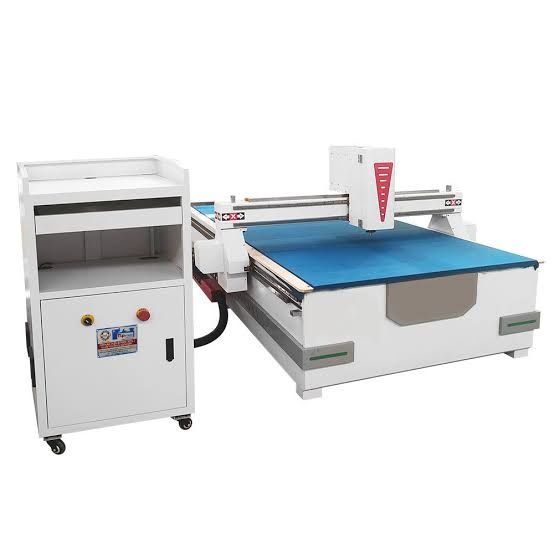
A typical CNC cutting machine includes a control system, cutting mechanism, work surface, drive components, and software. Depending on the machine type, the cutting mechanism may use a laser, plasma arc, rotating tool, or another cutting method.
How CNC Cutting Technology Works
The basic process begins with a digital drawing or computer-aided design. The design is converted into machine instructions that define movements, cutting paths, speeds, and other operating parameters.
The machine controller interprets these instructions and coordinates the movement of its components. Sensors and feedback systems may also monitor machine conditions, while an operator generally prepares the material, checks settings, and monitors the cutting process.
Main Types of CNC Cutting Machines
Different materials and applications require different cutting methods. Common categories include:
- CNC laser cutting machine: Uses a concentrated laser beam to cut or engrave suitable materials.
- CNC plasma cutting machine: Uses a high-temperature plasma arc for cutting electrically conductive materials, particularly metals.
- CNC router cutting machine: Uses a rotating cutting tool and is commonly associated with wood, plastics, composites, and some softer materials.
- CNC metal cutting machines: A broad category covering CNC systems designed for processing metal using different cutting methods.
- CNC machining equipment: Includes computer-controlled machines that can cut, drill, mill, or shape materials through controlled tool movement.
These machine types differ in their cutting mechanisms, compatible materials, operating parameters, and typical applications.
Importance
CNC cutting machines are important because modern manufacturing often requires repeatable shapes, controlled dimensions, and efficient use of digital design information. They are used in industries such as metal fabrication, construction, transportation, furniture production, electronics, and general manufacturing.
For everyday products, CNC technology can be involved in producing metal panels, machine components, furniture parts, brackets, enclosures, and structural pieces. The technology also supports customized production because digital instructions can be changed without redesigning the entire mechanical process.
Supporting Accurate Material Processing
Precision CNC cutting equipment can follow programmed cutting paths with controlled machine movements. The actual result depends on many factors, including machine calibration, material characteristics, tooling, programming, and operating conditions.
High precision CNC cutting systems are therefore generally designed around controlled movement and consistent positioning. However, CNC technology does not automatically eliminate dimensional variation, and inspection remains an important part of manufacturing.
Improving Digital Manufacturing Workflows
Industrial CNC machining systems connect design information with physical manufacturing equipment. A digital model can be prepared, converted into machine instructions, and then used to guide cutting operations.
Automated CNC cutting systems can also be connected with material handling, measurement, inspection, or production tracking equipment. This creates a more connected manufacturing workflow in which several stages communicate digitally.
Common Challenges
CNC cutting also involves practical challenges. Programming errors can result in incorrect tool paths, while unsuitable cutting parameters can affect the material or cutting edge. Machine maintenance, calibration, material positioning, ventilation, and operator training are also important.
For industrial environments, safety procedures are particularly important because cutting systems may involve moving components, heat, electrical energy, lasers, plasma, dust, or material fragments.
| CNC Type | Primary Cutting Method | Common Material Areas | Typical Applications |
|---|---|---|---|
| CNC Laser | Focused laser beam | Sheet metal, plastics, selected composites | Profiles, panels, detailed shapes |
| CNC Plasma | Plasma arc | Conductive metals | Plates, structural components |
| CNC Router | Rotating cutting tool | Wood, plastics, composites | Panels, signs, shaped parts |
| CNC Milling | Rotating cutting tool | Metals and engineering materials | Components, slots, contours |
| Multi-process CNC | Combination of operations | Varies by system | Complex manufacturing workflows |
Recent Updates
From 2024 through 2026, CNC cutting technology has continued moving toward greater digital integration, automation, monitoring, and software-based control. The general development is not limited to faster machine movement; manufacturers are also connecting cutting equipment with design, inspection, production management, and data systems.
Greater Automation
Automated industrial CNC machines are increasingly being integrated with material loading, unloading, tool management, and production monitoring systems. Automation can reduce the number of manual steps between individual production stages.
High speed CNC cutting machines are also being developed alongside improved motion control and cutting technologies. Actual cutting speed depends on material type, thickness, machine configuration, tool selection, and other operating conditions.
Software and Digital Design Integration
Modern CNC fabrication equipment increasingly relies on digital design and manufacturing software. Computer-aided design and computer-aided manufacturing systems can help prepare digital models and convert them into machine instructions.
This integration supports advanced CNC machining and cutting systems in which design information can move through several stages of the manufacturing workflow. Simulation features may also help identify potential tool-path problems before physical processing begins.
Monitoring and Connected Equipment
Sensors and software are becoming more important within industrial CNC systems. Machine monitoring can collect information about operating conditions, production activity, tool usage, and equipment status.
These developments contribute to complete industrial CNC cutting systems that combine machine hardware, controllers, software, monitoring tools, and material-handling equipment. The level of integration varies significantly between installations.
Tools and Resources
Several digital and technical resources can help people understand or work with CNC cutting technology. The appropriate resource depends on whether the user is learning the basics, preparing designs, programming a machine, or analyzing production information.
Design and Programming Resources
Computer-aided design software is commonly used to create digital drawings for CNC applications. Computer-aided manufacturing software can then help generate tool paths and machine instructions based on the selected equipment and material.
Useful resources include:
- CAD templates for creating dimensional drawings.
- CAM software for preparing cutting paths.
- CNC programming references for understanding machine instructions.
- Material reference charts for comparing cutting characteristics.
- Machine manuals for understanding specific controls and operating requirements.
- Simulation software for reviewing tool paths before machining.
Technical Standards and Learning Materials
Technical standards organizations and educational institutions publish material related to machine safety, manufacturing practices, dimensional measurement, and industrial automation. Manufacturer documentation can also explain machine-specific controls, operating limits, maintenance requirements, and compatible materials.
For beginners, introductory CNC courses and machining references can provide background on coordinates, tool paths, cutting parameters, machine axes, and digital manufacturing workflows.
Measurement and Inspection Tools
Measurement equipment is another important part of CNC manufacturing. Calipers, micrometers, gauges, coordinate measurement systems, and optical inspection equipment can be used to examine dimensions and geometry.
Inspection results can be compared with the original design specifications to identify dimensional differences. This helps separate the digital design stage from physical verification.
FAQs
What are CNC cutting machines used for?
CNC cutting machines are used to cut and shape materials according to programmed digital instructions. Applications include metal fabrication, component production, furniture manufacturing, panels, structural parts, and other manufactured products.
What is a CNC laser cutting machine?
A CNC laser cutting machine uses a computer-controlled laser beam to process suitable materials. The controller guides the cutting path according to programmed instructions, while the appropriate settings depend on material type, thickness, and machine configuration.
What is the difference between CNC plasma and CNC laser cutting machines?
A CNC plasma cutting machine uses a plasma arc to cut electrically conductive materials. A CNC laser cutting machine uses a concentrated laser beam and can be used for various materials depending on the system and material characteristics.
What are CNC metal cutting machines?
CNC metal cutting machines are computer-controlled systems designed to cut or shape metal materials. They can use technologies such as lasers, plasma, milling tools, saws, or other cutting mechanisms.
What is CNC machining equipment?
CNC machining equipment refers to computer-controlled machinery used for operations such as cutting, milling, drilling, turning, and shaping. The equipment can range from individual machines to integrated industrial CNC machining systems.
Conclusion
CNC cutting machines connect digital design information with controlled physical cutting processes. Different technologies, including laser, plasma, routing, and milling, are used according to material characteristics and manufacturing requirements. Recent developments have increased the integration of automation, software, monitoring, and digital manufacturing systems. Understanding the machine type, material, programming process, inspection methods, and operating conditions provides a foundation for understanding modern CNC cutting technology.