Electrical Network Modeling Guide to Modern Power System Analysis
Electrical network modeling is the process of representing an electrical system through mathematical models so its behavior can be studied without directly changing the physical network.
Engineers and analysts use these models to examine voltage, current, power flow, equipment behavior, and system stability. The approach is used for everything from individual facilities to large interconnected power networks.
The concept developed alongside electrical engineering as power networks became larger and more interconnected. Early analysis relied on mathematical calculations performed manually. As computers became widely available, electrical network modeling software made it possible to represent larger systems and perform repeated calculations more efficiently.
Today, electrical power system modeling can include generators, transformers, transmission lines, distribution networks, loads, circuit breakers, renewable generation, energy storage, and other components. A model represents the electrical characteristics of these elements and their relationships within a network.
How Network Models Work
A power network model normally begins with information about the physical system. This may include equipment ratings, impedance values, voltage levels, generation capacity, demand, connection points, and operating conditions.
The information is then represented within power system modeling software or electrical system simulation software. Depending on the purpose of the study, the model can be used for load flow, short-circuit analysis, transient studies, voltage assessment, or other forms of power system analysis.
Common Types of Analysis
Different studies answer different questions about an electrical network:
- Load flow analysis examines voltage levels, power flows, and system loading under specified conditions.
- Short-circuit analysis studies current levels that may occur during electrical faults.
- Stability analysis examines how a system responds to disturbances.
- Contingency analysis evaluates possible changes such as equipment outages.
- Harmonic analysis examines waveform distortion caused by certain electrical devices and operating conditions.
These studies can be performed using electrical network analysis software or power network analysis software, depending on the model and analytical requirements.
Importance
Electrical network modeling matters because modern electricity networks contain many interconnected components. Changes in one part of a network can influence voltage, current, power flow, and equipment loading elsewhere.
For households, businesses, transportation systems, and industrial facilities, reliable electrical operation depends on networks being properly planned and evaluated. Modeling provides a way to examine possible operating conditions before changes are made to physical infrastructure.
Supporting Power System Planning
Power networks continually change as electricity demand, generation sources, and infrastructure evolve. New substations, transmission connections, solar generation, wind generation, battery systems, and industrial loads can alter how electricity moves through a network.
Power system simulation software can represent these changes and help analysts examine different operating scenarios. This can support planning studies involving capacity, voltage conditions, equipment loading, and network configuration.
Understanding Electrical Grid Behavior
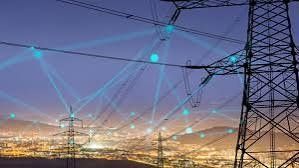
Electrical grid modeling software can represent interconnected generation, transmission, and distribution assets. A model can help illustrate how electricity moves between different parts of a network under specified operating conditions.
Power grid simulation software is also relevant when studying changing generation patterns. Renewable generation can vary according to weather and operating conditions, making network analysis useful for examining different combinations of generation and demand.
Industrial Applications
Industrial facilities may contain motors, transformers, generators, variable-speed drives, protection equipment, and other electrical components. Industrial electrical simulation software can represent these elements and their connections.
Industrial power system analysis software can be used to study voltage conditions, equipment loading, fault behavior, and other characteristics of an industrial electrical network. The results depend on the accuracy of the input information and the assumptions used in the model.
Recent Updates
From 2024 through 2026, electrical network modeling has increasingly reflected changes in electricity generation, digital monitoring, energy storage, and grid integration. A major general trend is the movement toward models that represent more dynamic and interconnected networks.
Renewable Energy and Energy Storage
Solar and wind generation introduce operating characteristics that differ from conventional generation. Battery energy storage adds another controllable element that can change how electricity enters or leaves a network.
Advanced power system simulation can therefore include variable generation, storage behavior, and changing demand patterns. These models can help analysts examine how different resources interact with existing network infrastructure.
Smart Grid Modeling
Smart grid modeling software has developed alongside digital meters, sensors, automated controls, communication networks, and distributed energy resources. These technologies create additional information about network conditions.
Modern electrical network simulation systems may combine traditional electrical calculations with data from monitoring and control systems. This can provide a more detailed representation of network behavior, although the quality of the results depends on data accuracy and model assumptions.
More Detailed Simulation
Power system analysis software is increasingly used for studies involving multiple operating conditions rather than a single fixed scenario. Analysts may examine normal operation, changing demand, equipment outages, generation changes, and other conditions.
Advanced electrical grid modeling systems can also represent different network levels, from generation and transmission through distribution. Integration between different models remains an important technical consideration because electrical networks can contain equipment from different generations and technologies.
| Analysis Area | Main Purpose | Typical Information Examined |
|---|---|---|
| Load flow | Study normal network operation | Voltage, current, active and reactive power |
| Short circuit | Examine fault conditions | Fault current and voltage behavior |
| Stability | Study system response | Frequency, voltage, rotor behavior |
| Contingency | Examine possible outages | Network loading and voltage changes |
| Harmonics | Study waveform distortion | Harmonic levels and frequency components |
| Protection | Examine protective operation | Fault levels and equipment response |
Tools and Resources
Electrical network modeling can involve specialized software, technical documentation, calculation methods, and reference standards. The appropriate resource depends on the type and scale of the electrical system being studied.
Modeling and Simulation Software
Electrical network modeling software can represent buses, lines, transformers, generators, loads, and other components. Power network simulation and analysis software may provide several study methods within a single modeling environment.
Electrical load flow analysis software focuses on calculating network conditions under specified operating assumptions. Other platforms may include short-circuit, transient, harmonic, or protection-related studies.
Technical Standards and References
Technical standards provide common methods and requirements for electrical equipment and network analysis. Organizations such as the Institute of Electrical and Electronics Engineers (IEEE) and the International Electrotechnical Commission (IEC) publish technical material relevant to electrical engineering.
Educational textbooks, university materials, engineering documentation, and equipment manuals can also help explain electrical power system modeling concepts. These resources are useful for understanding terminology, equations, component characteristics, and modeling assumptions.
Data and Calculation Resources
Accurate network information is important when developing a model. Useful resources can include:
- Equipment specification sheets for electrical characteristics.
- Network diagrams showing system connections.
- Load profiles describing electricity demand over time.
- Generator information describing operating characteristics.
- Templates for documenting model assumptions and study conditions.
- Calculation worksheets for checking selected model inputs.
A complete electrical network modeling software environment may combine several of these capabilities, but individual tools can also be used for specific analytical tasks.
FAQs
What is electrical network modeling?
Electrical network modeling is the representation of an electrical system using mathematical or computational models. It allows voltage, current, power flow, faults, and other network characteristics to be studied under defined conditions.
What is electrical network modeling software used for?
Electrical network modeling software is used to create representations of electrical networks and perform studies such as load flow, short-circuit analysis, stability assessment, and contingency analysis.
How does power system modeling software help analyze electrical grids?
Power system modeling software represents generators, transformers, lines, loads, and other network components. Analysts can then examine how these elements interact under different operating conditions.
What is smart grid modeling software?
Smart grid modeling software represents electrical networks that may include digital monitoring, automated controls, distributed generation, energy storage, and other connected technologies. It can help analyze changing network conditions.
What is electrical load flow analysis software?
Electrical load flow analysis software calculates operating conditions such as voltage levels, power flows, and equipment loading for a specified electrical network. It is commonly used as part of broader power system analysis.
Conclusion
Electrical network modeling provides a structured way to represent and study electrical systems before or alongside physical network operation. Modern models can include conventional generation, renewable resources, energy storage, industrial equipment, digital controls, and changing demand. Electrical system simulation software supports different types of studies, while accurate data and appropriate assumptions remain important to meaningful results. As power networks become more interconnected and digitally monitored, modeling continues to play an important role in understanding their behavior.