Industrial Chlorination Systems for Reliable Water Disinfection
Industrial chlorination systems are used to control microorganisms in water through the controlled addition of chlorine-based disinfectants.
They are commonly integrated into municipal, industrial, process-water, cooling-water, and wastewater treatment applications.
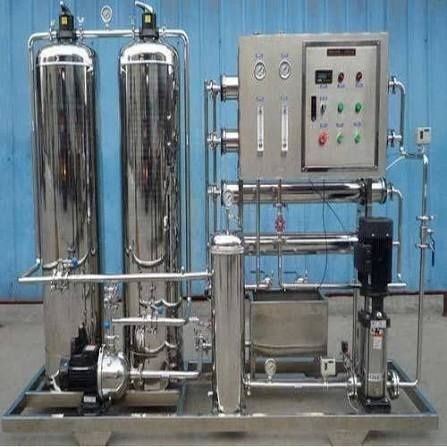
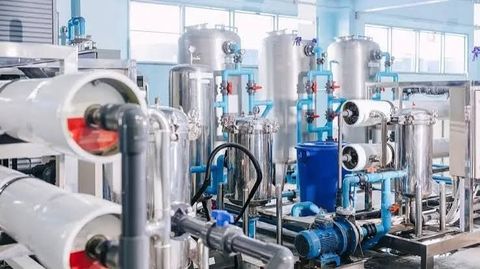
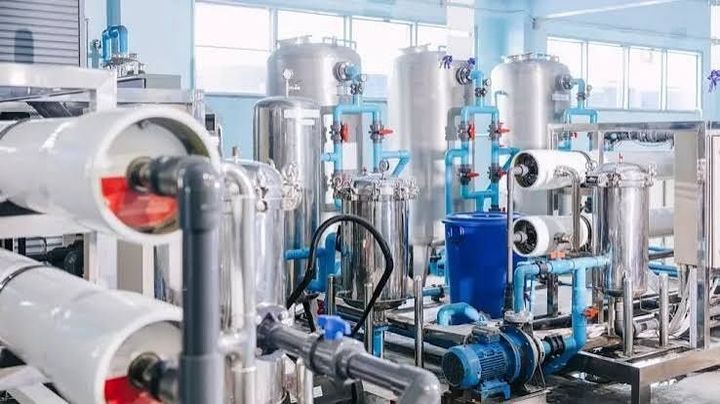
A chlorination system typically includes chemical storage, dosing equipment, injection components, monitoring instruments, and control systems. The exact configuration depends on water quality, flow rate, chlorine demand, required residual concentration, and applicable safety requirements.
Why Industrial Chlorination Systems Matter
Untreated or inadequately treated water can contain bacteria, viruses, and other microorganisms. Chlorination provides a method for reducing microbial contamination and, in many applications, maintaining a measurable disinfectant residual throughout parts of a distribution or process system.
When chlorine is added to water, it reacts to form disinfecting species. The amount of chlorine required depends on factors such as organic matter, pH, temperature, ammonia, and other substances that consume chlorine.
Important characteristics of industrial chlorination include:
- Controlled dosing: Dosing equipment regulates the amount of disinfectant introduced into the water.
- Residual protection: A measurable chlorine residual can help maintain microbial control after the initial treatment point.
- Continuous operation: Automated systems can adjust dosing according to flow or water-quality measurements.
- Broad application range: Chlorination can be incorporated into drinking water, wastewater, process water, and cooling-water systems.
- Monitoring capability: Sensors can track parameters such as chlorine residual, pH, flow, and pressure.
How Industrial Chlorination Systems Work
The basic chlorination process involves preparing the chlorine source, dosing it into the water, mixing it thoroughly, and allowing sufficient contact time.
A typical process includes:
- Chlorine preparation: The system receives a chlorine-based disinfectant in the selected form.
- Chemical dosing: A metering pump or other dosing mechanism introduces a controlled quantity into the water.
- Injection and mixing: The disinfectant is distributed throughout the water stream.
- Contact period: Water remains in a contact tank, pipeline, or other treatment zone for the required reaction period.
- Residual monitoring: Sensors or manual testing can determine the remaining chlorine concentration.
- Dosing adjustment: Automated controls can modify dosing when flow or water-quality conditions change.
The treatment objective is not simply to add a fixed quantity of chlorine. The dose needs to account for the water's chlorine demand and the required residual.
Main Types of Industrial Chlorination Systems
Sodium Hypochlorite Dosing Systems
Sodium hypochlorite is a liquid chlorine source commonly used in water treatment. Metering pumps transfer the solution from a storage tank into the water stream.
These systems can include dilution arrangements, level sensors, injection assemblies, and automated dosing controls.
Calcium Hypochlorite Systems
Calcium hypochlorite is generally supplied as a solid material and prepared as a solution before dosing. The system may include chemical preparation tanks, mixers, dosing pumps, and control equipment.
Chlorine Gas Systems
Chlorine gas can be used for large-scale water disinfection, although its handling requires specialized equipment and strict safety controls. Gas feed systems can include regulators, vacuum equipment, injectors, leak detection, and ventilation arrangements.
On-Site Hypochlorite Generation
Some systems generate dilute sodium hypochlorite on site using salt, water, and electrical energy. This configuration can reduce dependence on transported hypochlorite solutions but requires dedicated generation and control equipment.
Main Components of a Chlorination System
| Component | Main Function |
|---|---|
| Chemical storage tank | Holds the chlorine solution |
| Dosing pump | Controls chemical injection |
| Injection assembly | Introduces chlorine into the water |
| Static mixer | Improves chemical distribution |
| Contact tank | Provides reaction time |
| Flow meter | Measures water flow |
| Chlorine analyzer | Monitors chlorine residual |
| pH sensor | Tracks water acidity or alkalinity |
| Control panel | Coordinates system operation |
| Alarm system | Identifies abnormal conditions |
The exact equipment arrangement depends on the chlorine source and the characteristics of the water-treatment process.
Factors Affecting Chlorination Performance
Several factors influence how effectively chlorine controls microorganisms.
| Factor | Effect on Chlorination |
|---|---|
| Chlorine dose | Determines the amount available for disinfection |
| Contact time | Provides time for chlorine reactions |
| pH | Influences chlorine speciation and disinfection behavior |
| Temperature | Can affect reaction rates |
| Organic matter | Consumes chlorine |
| Ammonia | Can react with chlorine and form chloramines |
| Water flow | Influences dosing requirements |
| Turbidity | Can interfere with microbial exposure |
| Chlorine residual | Indicates remaining disinfectant after demand |
Because these conditions can change over time, continuous monitoring can be important in automated installations.
Chlorination Compared With Other Disinfection Methods
Chlorination is one of several technologies used for microbial control.
| Method | Main Function | Residual in Water | Typical Application |
|---|---|---|---|
| Chlorination | Disinfection | Yes | Water distribution and process systems |
| UV treatment | Microbial inactivation | No significant residual | Final disinfection |
| Ozone | Oxidation and disinfection | Limited residual | Advanced water treatment |
| Chlorine dioxide | Disinfection and oxidation | Can provide residual | Specialized water systems |
| Membrane filtration | Physical separation | No disinfectant residual | Water purification |
Each method has different operating requirements. Some water treatment systems combine multiple technologies to address microbial control and other water-quality objectives.
Industrial Applications
Drinking Water Treatment
Chlorination is widely incorporated into drinking water treatment processes to control microorganisms. Depending on the treatment design, chlorine may be applied before or after filtration and other purification stages.
Wastewater Treatment
Treated wastewater can undergo chlorination before discharge or selected reuse applications. The treatment configuration depends on the required microbial reduction and discharge requirements.
Cooling Water Systems
Industrial cooling-water systems can experience microbial growth under suitable conditions. Controlled chemical dosing can be used as part of a broader water-quality management program.
Process Water
Manufacturing facilities may use chlorination where microbial control is required for process water or utility water.
Swimming and Recreational Water
Controlled chlorine dosing is commonly used to maintain microbial control in pools and other recreational water systems.
Automation and Monitoring
Modern industrial chlorination systems can incorporate automated controls to regulate chemical dosing according to operating conditions.
Common monitoring parameters include:
- Chlorine residual
- Water flow
- pH
- Oxidation-reduction potential (ORP)
- Chemical tank level
- Pump status
- Water pressure
- Temperature
- Alarm status
A flow-paced dosing system can adjust chlorine addition based on the volume of water passing through the treatment line. More advanced arrangements can use residual feedback to make further adjustments.
Data logging can also help operators identify changes in chemical demand, dosing behavior, or equipment operation.
Maintenance Requirements
Routine maintenance helps maintain consistent dosing and monitoring. Operators should inspect chemical storage tanks, dosing pumps, injection points, valves, tubing, sensors, mixers, and control equipment.
Chlorine analyzers and other sensors require periodic calibration according to their specifications. Dosing pumps should also be checked for accurate output and signs of wear.
Chemical storage areas should remain appropriately contained and ventilated. Materials used in contact with chlorine-based chemicals should be compatible with the chemical concentration and operating conditions.
Safety Considerations
Chlorine-based chemicals require careful handling because concentrated chlorine compounds can be hazardous. Chlorine gas systems require particularly strict controls because gas leaks can create serious exposure hazards.
Industrial installations should incorporate appropriate ventilation, leak detection where applicable, chemical containment, protective equipment, emergency procedures, and access controls.
Operators should follow the relevant chemical safety documentation, equipment instructions, and local regulatory requirements.
FAQs
1. What are industrial chlorination systems?
Industrial chlorination systems are equipment arrangements that introduce controlled quantities of chlorine-based disinfectants into water. They typically include storage, dosing, injection, monitoring, and control components.
2. What chlorine sources are used in industrial water treatment?
Common chlorine sources include sodium hypochlorite, calcium hypochlorite, chlorine gas, and chlorine generated on site from salt solutions.
3. Why is chlorine residual monitored?
Chlorine residual indicates how much disinfectant remains in the water after chlorine demand has been satisfied. Monitoring can help maintain the intended treatment conditions.
4. Can chlorination be automated?
Yes. Industrial systems can use flow meters, chlorine analyzers, controllers, dosing pumps, and alarms to automate chemical dosing and monitoring.
5. Is chlorination suitable for wastewater treatment?
Chlorination can be used for microbial control in selected wastewater treatment processes. The required configuration depends on water quality, treatment objectives, contact conditions, and applicable discharge or reuse requirements.
Conclusion
Industrial chlorination systems provide a controlled method for microbial disinfection across drinking water, wastewater, process water, cooling systems, and other applications. Their performance depends on chlorine dose, contact time, water chemistry, flow conditions, and residual monitoring.
Selecting an appropriate configuration requires consideration of the chlorine source, water characteristics, dosing requirements, automation needs, material compatibility, and safety controls. When these factors are properly managed, chlorination can form an important part of a broader industrial water treatment process.