Industrial Machine Spare Parts: A Guide to Types and Applications
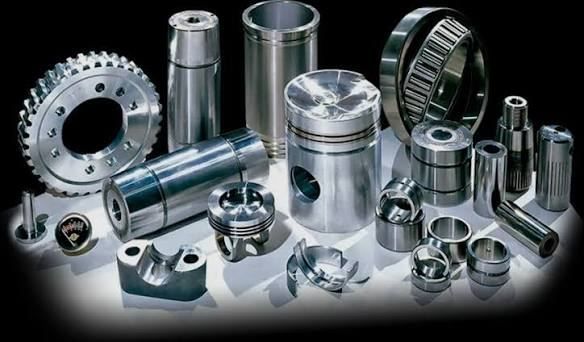
Industrial machine spare parts are individual components used to maintain, repair, or restore the operation of machinery in manufacturing plants, processing facilities, warehouses, and other industrial environments.
These parts include mechanical, electrical, hydraulic, and pneumatic components that support the movement, control, and performance of industrial equipment.
Industrial machinery spare parts have developed alongside manufacturing technology. As machines became more specialized and production processes more complex, the need for compatible replacement components increased. Today, industrial machine replacement parts are used in everything from basic conveyor systems to advanced CNC equipment and automated production lines.
Industrial equipment spare parts vary according to machine design, operating conditions, and technical requirements. Some components are standardized and used across multiple machine types, while others are designed for specific equipment models. Understanding these differences helps explain how replacement components contribute to industrial operations.
Common Types of Industrial Machine Spare Parts
Industrial machinery contains several categories of components, each performing a particular function.
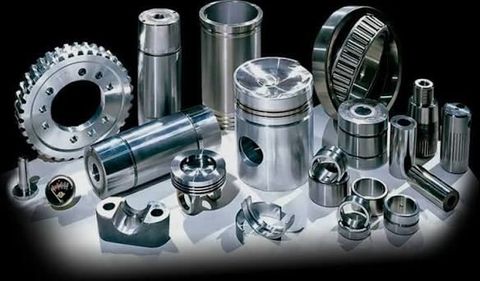
- Mechanical components: Bearings, gears, shafts, belts, couplings, and fasteners support movement and transmit mechanical force.
- Hydraulic components: Pumps, cylinders, valves, hoses, and seals control fluid movement and pressure in hydraulic machinery.
- Pneumatic components: Air compressors, regulators, actuators, fittings, and pneumatic valves operate equipment using compressed air.
- Electrical components: Motors, switches, sensors, relays, connectors, and circuit protection devices support electrical operation and control.
- Automation components: Programmable logic controllers, drives, encoders, and control modules coordinate automated machine functions.
Each category has specific operating requirements. Selecting compatible components depends on factors such as dimensions, materials, pressure ratings, electrical specifications, and equipment design.
Applications Across Industrial Sectors
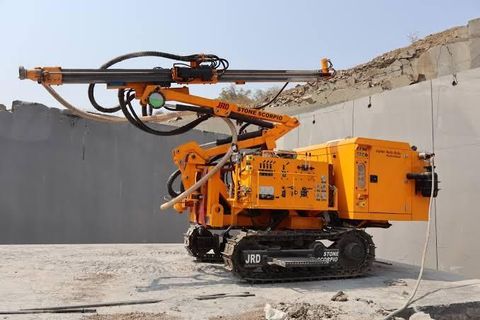
Manufacturing machine spare parts are used in industries such as automotive production, food processing, packaging, construction materials, pharmaceuticals, and metal fabrication. Heavy machinery spare parts support equipment such as industrial cranes, excavators, presses, and large material-handling systems.
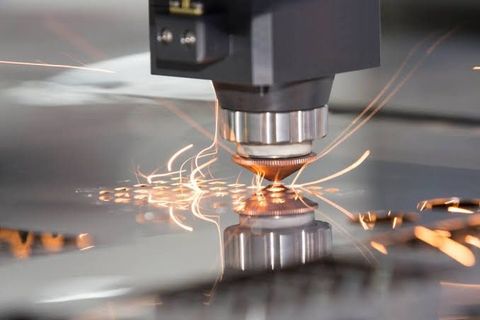
CNC machine spare parts are particularly relevant to precision manufacturing. Components such as tool holders, spindle bearings, linear guides, and drive motors contribute to the movement and accuracy of computer-controlled machines.
Importance
Industrial machine components play an important role in maintaining production activities and equipment reliability. A damaged bearing, worn belt, faulty sensor, or leaking hydraulic seal can interrupt a machine's operation and affect connected production stages.
Industrial machine replacement parts help restore equipment functionality when individual components become worn, damaged, or outdated. Replacing a specific component may also avoid unnecessary changes to an entire machine, provided the equipment design allows for component-level maintenance.
Equipment Reliability and Maintenance
Regular inspection helps identify signs of wear, vibration, overheating, leakage, or unusual noise. Maintenance teams use these observations to determine whether industrial machinery replacement components are required.
A structured spare parts inventory can also support maintenance planning. Commonly needed items, such as filters, seals, bearings, and belts, may be tracked according to equipment usage, replacement history, and operating conditions.
Compatibility and Operational Safety
Correct component selection is important for equipment performance and workplace safety. An incorrectly sized coupling, unsuitable electrical component, or incompatible hydraulic valve can cause equipment malfunction or create additional mechanical stress.
Before installing industrial automation spare parts or heavy-duty industrial machine components, maintenance personnel generally review equipment manuals, part numbers, technical drawings, and manufacturer specifications. Installation procedures may also require equipment isolation and appropriate safety precautions.
Production Continuity
Factories often use multiple machines that work together in a production sequence. A component failure in one machine can affect material movement, production scheduling, and the operation of connected equipment.
Maintaining suitable industrial production equipment spare parts can help reduce delays associated with identifying and obtaining replacement components. However, inventory planning must account for storage conditions, component availability, equipment age, and the possibility of design changes.
Recent Updates
Developments in industrial machinery from 2024 through 2026 reflect growing attention to digital monitoring, predictive maintenance, component traceability, and automation. These developments are changing how organizations identify, document, and manage replacement parts.
Predictive Maintenance and Digital Monitoring
Sensors and machine monitoring platforms can collect information about vibration, temperature, operating speed, and other equipment conditions. Predictive maintenance systems analyze these measurements to identify patterns that may indicate developing mechanical problems.
This information can help maintenance teams investigate potential component failures before equipment stops unexpectedly. However, sensor readings require appropriate interpretation, and monitoring systems cannot identify every possible failure.
Digital Inventory and Part Identification
Digital inventory systems are increasingly used to organize industrial equipment spare parts. These platforms can record part numbers, equipment compatibility, stock quantities, maintenance history, and storage locations.
Barcode scanning, digital catalogs, and equipment databases can simplify part identification. Some organizations also use digital documentation to track industrial machinery replacement components across multiple production facilities.
Automation and Component Development
Advanced industrial automation has increased the use of electronic controls, precision motion components, and integrated machine assemblies. This creates additional requirements for compatible automatic machine spare parts and industrial automation components.
Additive manufacturing, commonly known as 3D printing, is also being explored for certain industrial replacement components. Its suitability depends on material properties, dimensional accuracy, operating conditions, and the component's safety requirements.
| Spare Part Category | Common Examples | Typical Application |
|---|---|---|
| Mechanical | Bearings, gears, shafts | Conveyors and production machinery |
| Hydraulic | Pumps, cylinders, seals | Presses and lifting equipment |
| Pneumatic | Valves, air cylinders, fittings | Packaging and assembly systems |
| Electrical | Motors, relays, switches | Industrial power and control |
| CNC components | Spindles, tool holders, guides | Precision machining |
| Automation | Sensors, drives, controllers | Automated production lines |
Tools and Resources
Several technical resources help identify, document, and manage industrial machine spare parts. The appropriate resource depends on the machine type, maintenance requirements, and level of technical detail needed.
Equipment Manuals and Digital Catalogs
Machine manuals contain component diagrams, part numbers, specifications, and maintenance instructions. Digital parts catalogs can help users identify industrial machinery parts supply requirements by connecting individual components with specific equipment models.
Manufacturer documentation is particularly useful when identifying custom industrial machinery parts or components that have specialized dimensions and operating requirements.
Inventory and Maintenance Software
Computerized maintenance management systems (CMMS) help organizations record maintenance activities, track equipment history, and manage spare parts inventories. These platforms may include reorder notifications, equipment records, maintenance schedules, and component usage reports.
Inventory spreadsheets can also organize basic information, including:
- Component names and identification numbers.
- Compatible machine models and equipment locations.
- Available quantities and storage locations.
- Inspection records and replacement history.
- Technical specifications and documentation references.
Technical Standards and Identification Resources
Engineering drawings, material specifications, dimensional references, and relevant industry standards can help verify component compatibility. These resources are especially important for precision machinery replacement parts, hydraulic equipment, and components used in demanding industrial environments.
Industrial spare parts supplier catalogs may provide technical descriptions and compatibility information. Specifications should be checked against the equipment manufacturer's documentation before a component is selected.
FAQs
What are industrial machine spare parts?
Industrial machine spare parts are replacement components used to maintain or restore industrial equipment. Examples include bearings, gears, motors, sensors, hydraulic valves, and pneumatic fittings.
What are the main types of industrial machinery spare parts?
The main categories include mechanical, hydraulic, pneumatic, electrical, and automation components. CNC machine spare parts and heavy machinery spare parts are additional categories associated with specific equipment types.
How are industrial machine replacement parts identified?
Replacement parts are commonly identified through equipment model numbers, component identification codes, technical drawings, dimensions, and manufacturer catalogs. Compatibility checks help confirm that a component matches the machine's operating requirements.
What are hydraulic machinery spare parts used for?
Hydraulic machinery spare parts are used in equipment that relies on pressurized fluid to generate or control movement. Common examples include hydraulic pumps, cylinders, valves, hoses, and seals.
Why is industrial spare parts inventory management important?
Inventory management helps maintenance teams track component quantities, equipment compatibility, storage locations, and replacement history. Organized records can support maintenance planning and help reduce delays caused by missing or incorrectly identified components.
Conclusion
Industrial machine spare parts support the operation and maintenance of equipment across manufacturing, processing, construction, and other industrial sectors. Their categories range from basic mechanical components to specialized hydraulic, pneumatic, CNC, and automation parts. Digital inventory tools, predictive maintenance, and improved component identification are influencing how organizations manage replacement requirements. Understanding component types, applications, compatibility, and maintenance records provides useful context for industrial machinery management.