Industrial Vacuum Cleaner: An Overview of Modern Cleaning Technology
An industrial vacuum cleaner is a specialized cleaning machine designed to collect dust, debris, liquids, powders, and other materials in demanding work environments.
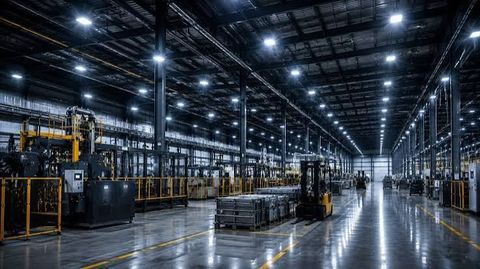
Unlike ordinary household equipment, an industrial vacuum cleaner is generally designed around larger collection capacities, stronger airflow, filtration requirements, and longer operating periods. These machines are used in manufacturing plants, warehouses, workshops, construction areas, food-processing facilities, and other commercial environments.
The development of industrial vacuum cleaning equipment is closely connected with the growth of modern manufacturing. As factories began using more machinery and processing materials at larger scales, conventional sweeping methods became less suitable for controlling accumulated dust and debris. Vacuum-based collection provided a way to capture material and move it into a controlled container or collection system.
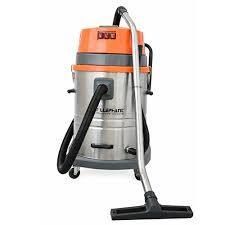
Today, an industrial vacuum cleaning machine can have several configurations. A dry model is designed primarily for solid materials, while an industrial wet dry vacuum cleaner can collect both solid debris and liquids. Specialized systems can also be configured for fine dust, hazardous materials, central collection, or integration with production equipment.
How Industrial Vacuum Systems Work
A typical industrial vacuum system uses a motor or other power source to create a pressure difference that moves air and material through a hose or inlet. The collected material passes through filtration and separation components before reaching a collection container.
An industrial dust vacuum may include multiple filtration stages. Coarser particles can be separated before finer particles reach the main filter. This arrangement helps prevent premature filter loading and supports controlled collection.
A high power industrial vacuum cleaner may use more than one motor or a high-capacity motor arrangement, depending on its design. However, power alone does not determine suitability because airflow, suction pressure, filter type, container capacity, hose dimensions, and the material being collected all affect performance.
Main Types of Industrial Vacuum Cleaners
Different environments require different equipment configurations. Common categories include:
- A heavy duty industrial vacuum cleaner for large quantities of solid debris and demanding operating conditions.
- An industrial wet dry vacuum cleaner for collecting both liquid and solid material.
- An industrial dust extraction vacuum for capturing fine particles near a production process.
- An industrial dust collection vacuum for centralized or localized collection.
- An automatic industrial vacuum cleaner designed to operate with limited manual intervention.
- An industrial central vacuum system that connects multiple collection points to a central unit.
The selection of a machine depends on the material, quantity, operating environment, filtration requirements, and method of collection.
Importance
Industrial cleaning affects workplaces where dust, chips, powders, liquids, and other residues can accumulate. Regular removal of these materials can support orderly work areas and help prevent unwanted material from spreading through production spaces.
The importance of an industrial vacuum cleaner also depends on the type of material involved. Fine particles can behave differently from large debris, while combustible or hazardous dust can require specially designed equipment and operating procedures.
Dust Collection and Workplace Conditions
Dust control is an important consideration in many industrial environments. OSHA guidance states that appropriate dust collection systems and filters can be part of controls for combustible dust hazards, and it notes that vacuum cleaners used for dust collection should be appropriately approved for the application.
For silica-related work, OSHA identifies wet methods, HEPA-filtered vacuuming, and other exposure-reducing methods as relevant housekeeping approaches where applicable. The specific requirements depend on the workplace and the material involved.
Matching Equipment to Material
An industrial vacuum cleaner machine should be selected according to what it will collect. Metal chips, wood particles, cement dust, liquids, food particles, and fine powders have different physical characteristics.
Important factors include:
- Material type and particle size.
- Required filtration level.
- Quantity of material generated.
- Required airflow and suction pressure.
- Collection container capacity.
- Hose length and diameter.
- Wet or dry collection requirements.
- Electrical and environmental conditions.
A commercial industrial vacuum cleaner used for general debris may therefore have a different configuration from an industrial dust extraction vacuum connected directly to manufacturing equipment.
Central and Automated Collection
An industrial central vacuum system can connect several collection points to one central unit. This arrangement can reduce the need to move portable machines between areas and can support fixed cleaning points.
An automated industrial vacuum cleaning system can go further by linking collection equipment with machinery or production processes. Such systems may activate according to predefined operating conditions or production requirements. Automated arrangements are particularly relevant where material is generated continuously.
Recent Updates
Between 2024 and 2026, industrial vacuum technology has continued moving toward greater filtration control, automation, process integration, and specialized dust management. The general direction is toward equipment that can work as part of a wider industrial process rather than functioning only as standalone cleaning machinery.
One notable development is the increasing integration of industrial vacuums into automated production environments. Some current industrial models are designed for automated applications and can include automatic filter-cleaning mechanisms and configurations intended for continuous industrial operation.
Filtration and Fine-Dust Management
Fine-particle collection remains an important area of development. HEPA filtration is relevant to certain applications involving respirable particles, but it is not automatically required for every industrial vacuum. OSHA explains that the need for filtration depends on the exposure and application, and that non-HEPA equipment can contribute to exposure in some circumstances.
Filter maintenance is also receiving attention because clogged or improperly handled filters can affect collection performance and may release accumulated dust. OSHA guidance emphasizes careful handling of contaminated filters and dust to minimize exposure.
Automation and Process Integration
Modern industrial vacuum extraction equipment can be connected directly to manufacturing machinery. Instead of cleaning only after material has accumulated, extraction can occur close to the point where dust or debris is generated.
This approach is relevant to machining, cutting, grinding, woodworking, packaging, and other processes. The objective is to capture material as part of the production process rather than relying entirely on later floor cleaning.
| Feature | Conventional Portable Equipment | Integrated Industrial System |
|---|---|---|
| Collection method | Manual operation | Fixed or automated collection |
| Coverage | Individual work areas | Multiple connected points |
| Dust handling | Container-based | Central or process-linked collection |
| Filter management | Manual or assisted | May include automatic cleaning |
| Process connection | Limited | Direct equipment connection |
| Typical use | General cleanup | Production and continuous extraction |
Tools and Resources
Several tools and resources can help users understand industrial vacuum equipment and determine appropriate specifications. Manufacturer documentation, workplace safety guidance, technical standards, and equipment manuals can provide information about filtration, airflow, collection capacity, electrical requirements, and operating procedures.
Equipment Specification Resources
Product specification sheets can be used to compare measurable characteristics such as:
- Airflow, often stated in cubic metres per hour or cubic feet per minute.
- Vacuum pressure or suction capacity.
- Container volume.
- Filter classification.
- Motor configuration.
- Hose diameter.
- Noise level.
- Wet and dry collection capability.
An industrial vacuum cleaner price can vary according to these specifications, materials, filtration arrangements, automation features, and system configuration. Price alone does not describe whether a particular machine is appropriate for a specific application.
Safety and Technical Resources
OSHA publications provide guidance on dust control, silica exposure, housekeeping, and vacuum-based collection methods. Its resources explain that dry sweeping and compressed-air cleaning can be restricted in certain silica-related circumstances when other exposure-reducing methods are feasible.
Equipment manuals are also important because they contain instructions for filter maintenance, collection containers, compatible materials, electrical requirements, and operating limitations. For specialized applications, technical standards and workplace-specific risk assessments can provide additional information.
A complete industrial vacuum cleaning system may combine the vacuum unit, hoses, separators, filters, collection containers, sensors, ducting, and control components. The exact configuration depends on the process and material being collected.
FAQs
What is an industrial vacuum cleaner used for?
An industrial vacuum cleaner is used to collect dust, debris, powders, chips, liquids, and other materials in industrial or commercial environments. Its configuration depends on the material and operating conditions.
What is an industrial wet dry vacuum cleaner?
An industrial wet dry vacuum cleaner is designed to collect both solid debris and liquids. It typically uses a collection arrangement and filtration system suited to wet and dry materials.
How does an industrial dust extraction vacuum work?
An industrial dust extraction vacuum draws air and particles through an inlet or hose, separates collected material, and passes air through one or more filters. Some systems connect directly to machinery where dust is generated.
What is an industrial central vacuum system?
An industrial central vacuum system uses a central collection unit connected through fixed piping or ducting to several collection points. It can be used where multiple areas require access to one collection system.
How is an automatic industrial vacuum cleaner different?
An automatic industrial vacuum cleaner can operate according to predefined controls or connect with machinery and production systems. Automation can include scheduled operation, sensor-based activation, or automatic filter-cleaning functions, depending on the equipment design.
Conclusion
An industrial vacuum cleaner is designed to handle cleaning and material-collection requirements that can exceed the capabilities of ordinary cleaning equipment. Industrial systems range from portable wet and dry machines to centralized dust collection and automated extraction arrangements. Recent developments have emphasized filtration, automated operation, process integration, and more controlled handling of fine particles. The appropriate configuration depends on the material, workplace conditions, filtration needs, collection volume, and operating method.