Liquid Oxygen Systems: An Overview of Their Design and Applications
Liquid oxygen systems are engineered arrangements used to produce, store, transport, vaporize, and distribute oxygen in liquid form.
Liquid oxygen, commonly called LOX, is maintained at cryogenic temperatures so that oxygen remains a liquid rather than becoming a gas. These systems are used in industrial facilities, healthcare environments, aerospace applications, research settings, and other locations where controlled oxygen storage is required.
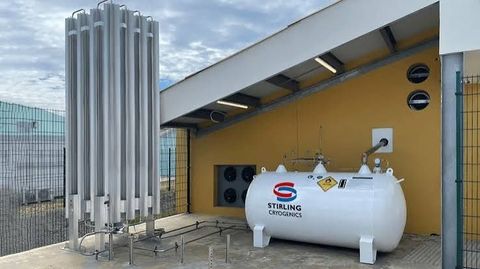
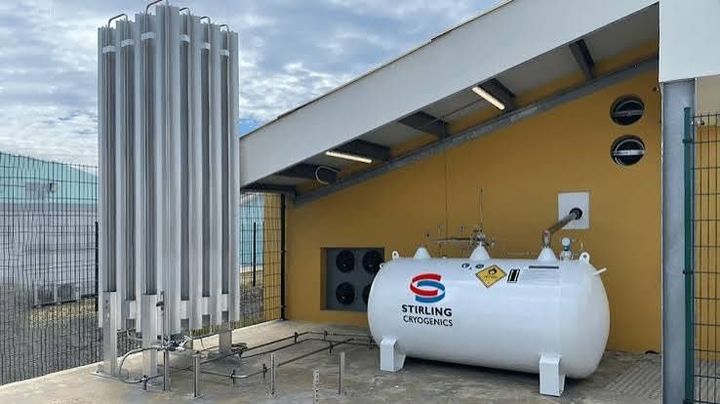
Liquid oxygen equipment developed from the need to handle larger quantities of oxygen more efficiently than individual compressed-gas containers can provide. A typical arrangement can include insulated storage vessels, transfer piping, valves, pressure controls, vaporizers, monitoring equipment, and safety devices. OSHA describes a bulk oxygen system as an assembly that can include storage containers, regulators, safety devices, vaporizers, manifolds, and connecting piping.
How Liquid Oxygen Is Stored
Liquid oxygen storage systems rely on insulation to limit heat entering the storage vessel. Because oxygen has an extremely low boiling temperature, even relatively small heat input can cause some liquid to change into gas, creating pressure inside the vessel.
Liquid oxygen tanks therefore use specialized construction and insulation. Liquid oxygen storage tanks can be stationary or mobile, depending on the application. Cryogenic oxygen storage tanks also incorporate pressure-relief arrangements because pressure management is an important part of cryogenic storage.
Main Components
Industrial liquid oxygen systems can contain several connected components that perform different functions:
- Liquid oxygen tanks provide the primary storage volume.
- Insulation reduces heat transfer from the surrounding environment.
- Valves and piping control movement between equipment sections.
- Vaporizers convert liquid oxygen into gaseous oxygen when required.
- Pressure-control equipment manages operating conditions.
- Measurement instruments monitor temperature, pressure, level, and flow.
- Safety devices provide controlled pressure relief when necessary.
Together, these components form a system rather than a single piece of equipment. The exact configuration depends on storage capacity, operating conditions, oxygen purity requirements, and the intended application.
Importance
Liquid oxygen systems matter because oxygen is required in many industrial and technical processes. Large facilities may need a dependable supply of oxygen for activities such as metal processing, chemical operations, water treatment, medical gas systems, and aerospace applications.
Industrial oxygen equipment can also support locations where oxygen demand is too substantial for routine handling through individual gas cylinders. Liquid oxygen can be converted back into gaseous oxygen through a vaporizer before entering a distribution network.
Industrial and Institutional Applications
Industrial applications represent one important area for liquid oxygen supply systems. Manufacturing facilities may use oxygen in combustion processes, metal cutting, refining, chemical production, and other controlled operations.
Healthcare facilities can also use bulk oxygen arrangements for clinical oxygen distribution, subject to applicable medical-gas requirements and regulations. In these settings, system design must account for purity, pressure, monitoring, emergency arrangements, and safe distribution.
Aerospace applications have additional requirements because liquid oxygen can be used as an oxidizer in rocket propulsion. Research into cryogenic oxygen systems also includes methods for managing oxygen during extended storage and transfer in space environments.
Safety and Operating Considerations
Oxygen itself does not burn, but it supports combustion. Materials that might burn under normal atmospheric conditions can react much more intensely in oxygen-enriched environments. This makes cleanliness, material compatibility, ventilation, separation from combustible materials, and appropriate equipment design important considerations.
OSHA requirements for bulk oxygen systems address issues such as location, noncombustible supports, storage-container construction, safety relief devices, suitable valves and fittings, testing, protection from physical damage, and ventilation.
Cryogenic conditions create additional hazards. Contact with very cold liquid or equipment can cause severe cold injuries, while rapid vaporization can produce large quantities of gas. Installation, inspection, and operation therefore require procedures appropriate to the specific system and applicable regulations.
| System Component | Primary Function | Typical Consideration |
|---|---|---|
| Storage vessel | Holds liquid oxygen | Cryogenic insulation and pressure control |
| Transfer piping | Moves oxygen | Material compatibility and cleanliness |
| Vaporizer | Converts liquid to gas | Controlled heat transfer |
| Valves | Controls flow | Oxygen-compatible construction |
| Pressure devices | Manages pressure | Relief and regulation |
| Sensors | Monitors conditions | Temperature, pressure, level, and flow |
| Safety equipment | Helps manage abnormal conditions | Ventilation and controlled relief |
Recent Updates
From 2024 through 2026, development in liquid oxygen systems has increasingly focused on cryogenic storage efficiency, larger storage capacities, specialized tank designs, and applications connected with space exploration. Research has examined methods for reducing heat-related losses and managing pressure during extended storage.
Advances in Cryogenic Storage
Researchers continue to study zero-boil-off approaches in which active cooling is used to limit the conversion of liquid oxygen into gas. Recent research has investigated storage behavior involving liquid oxygen and liquid methane, including self-pressurization and thermal conditions inside cryogenic tanks.
This work is particularly relevant to aerospace systems, where cryogenic propellants may need to remain stored for longer periods. Research reviews continue to identify cryogenic storage, transfer, and refueling as important technical challenges for extended space missions.
Aerospace Tank Development
Recent aerospace development has also examined alternative materials and tank structures. The European Space Agency's Phoebus project has investigated carbon-fiber-reinforced plastic tanks for cryogenic oxygen applications, with testing and production milestones reported during 2025.
NASA has also been preparing an in-orbit liquid oxygen technology demonstration focused on cryogenic fluid management. The project is intended to examine technologies relevant to future in-space propellant storage and transfer.
Specialized Storage Research
Research is also exploring compact cryogenic oxygen storage modules. NASA documentation describes systems that store liquid oxygen at cryogenic temperatures and release oxygen gas in response to controlled heat input, with potential applications in breathing and aerospace equipment.
These developments illustrate a broader direction toward improved thermal management, specialized materials, compact designs, and controlled cryogenic transfer. They do not eliminate the fundamental safety and engineering requirements associated with liquid oxygen.
Tools and Resources
Several resources can help readers understand liquid oxygen equipment and the principles behind cryogenic storage.
Technical and Safety Resources
Regulatory publications provide information about the design and operation of oxygen systems. OSHA's requirements for bulk oxygen systems cover storage containers, safety relief devices, vaporizers, piping, equipment cleanliness, testing, and installation practices.
Useful resources include:
- Cryogenic storage design guides for understanding insulation and heat transfer.
- Oxygen-system safety checklists for reviewing equipment and operating procedures.
- Pressure and temperature reference tables for understanding cryogenic conditions.
- Engineering diagrams for studying piping, vaporization, and distribution arrangements.
- Manufacturer technical documentation for identifying equipment specifications and compatibility requirements.
- Regulatory publications for understanding applicable installation and workplace requirements.
Planning and Calculation Resources
Cryogenic engineering calculators can help users study relationships between temperature, pressure, volume, and phase changes. Such calculations are generally based on physical properties of oxygen and should be interpreted within the limits of the particular application.
System diagrams can also help explain how liquid oxygen moves from a storage vessel through pressure-control and vaporization equipment into a distribution network. For industrial applications, documentation normally includes equipment specifications, operating limits, inspection information, and safety procedures.
FAQs
What are liquid oxygen systems used for?
Liquid oxygen systems are used to store and distribute oxygen in applications that require substantial quantities of oxygen. They can be found in industrial facilities, healthcare environments, aerospace operations, and research settings.
How do liquid oxygen storage systems work?
Liquid oxygen storage systems keep oxygen at cryogenic temperatures inside insulated vessels. Heat entering the vessel can cause some liquid to vaporize, so insulation, pressure controls, monitoring instruments, and relief devices are important parts of the overall design.
What are cryogenic oxygen systems?
Cryogenic oxygen systems are systems designed to handle oxygen at very low temperatures. They can include storage tanks, piping, valves, vaporizers, monitoring instruments, and pressure-management equipment.
What are liquid oxygen tanks made for?
Liquid oxygen tanks are designed to contain oxygen safely under cryogenic conditions. Their construction, insulation, pressure rating, fittings, and safety equipment depend on the intended operating conditions and applicable engineering requirements.
What is the role of a vaporizer in liquid oxygen equipment?
A vaporizer transfers heat to liquid oxygen so that it changes into gaseous oxygen before distribution or use. The heating method and equipment design must be appropriate for oxygen applications and the operating conditions of the system.
Conclusion
Liquid oxygen systems combine cryogenic storage, transfer, vaporization, monitoring, and pressure-control equipment to handle oxygen in liquid form. Their applications range from industrial oxygen storage equipment and healthcare facilities to aerospace and research systems. Recent development has focused on thermal management, specialized storage designs, and technologies for extended cryogenic storage and transfer. Because liquid oxygen operates under cryogenic conditions and supports combustion, system design and operation require appropriate engineering controls, equipment compatibility, and safety procedures.