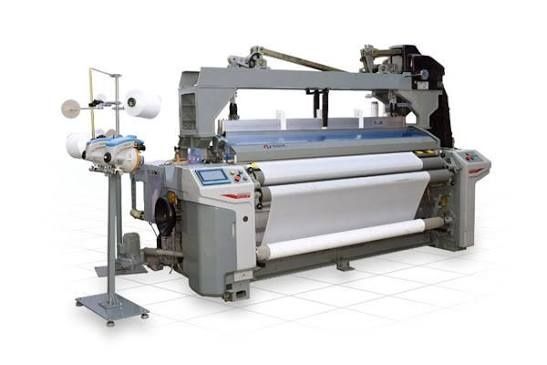
Textile Weaving Machines: Key Features for Better Fabric Production
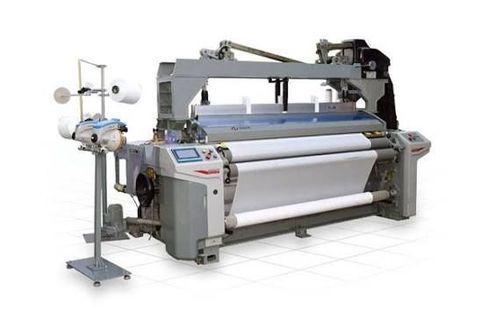
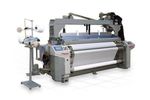
Textile weaving machines are industrial machines used to interlace warp and weft yarns to create woven fabrics.
Modern weaving equipment combines mechanical movements, electronic controls, yarn-management systems, and monitoring technologies to produce fabrics with consistent construction and controlled characteristics.
Weaving machines are used for fabrics made from cotton, polyester, wool, viscose, technical fibers, and blended yarns. Different loom configurations are selected according to fabric structure, yarn characteristics, production requirements, and desired machine speed.
Why Textile Weaving Machines Matter
Woven fabric is created by crossing two primary yarn systems: warp yarns run lengthwise, while weft yarns are inserted across the fabric width. The weaving machine coordinates these yarns through a sequence of controlled movements.
The machine must maintain appropriate yarn tension, insert the weft consistently, form the required shed, and beat the newly inserted yarn into the fabric structure.
Modern equipment can automate many of these functions, helping textile producers maintain repeatable fabric construction while monitoring operating conditions.
How Textile Weaving Machines Work
Although machine designs differ, most weaving processes involve several fundamental steps:
- Warp preparation: Warp yarns are arranged and supplied from the warp beam.
- Shedding: Selected warp yarns are raised or lowered to create an opening called the shed.
- Weft insertion: A weft yarn is inserted through the shed.
- Beat-up: The reed moves the inserted weft yarn toward the fabric fell.
- Take-up: Finished fabric is gradually wound or advanced.
- Let-off: Warp yarn is released at a controlled rate from the warp beam.
- Monitoring: Sensors and control systems monitor yarn breaks and machine conditions.
These movements occur repeatedly at high speed to form continuous woven fabric.
Main Types of Textile Weaving Machines
Rapier Weaving Machines
Rapier looms use a rapier mechanism to carry the weft yarn across the shed.
They can handle a broad range of yarn types and fabric constructions. Different rapier configurations are available for various fabric widths and production requirements.
Air-Jet Weaving Machines
Air-jet looms use compressed air to transport the weft yarn across the shed.
They are commonly associated with high-speed production and can be suitable for fabrics where the yarn characteristics and fabric construction support pneumatic weft insertion.
Water-Jet Weaving Machines
Water-jet looms use a controlled water stream to carry the weft yarn through the shed.
They are particularly associated with suitable synthetic filament yarns and applications where the use of water is compatible with the material and process.
Projectile Weaving Machines
Projectile looms use small projectile devices to carry the weft yarn across the fabric width.
They can be used for relatively heavy or wide fabrics and certain technical textile applications.
Key Features of Textile Weaving Machines
Weaving Speed
Machine speed indicates how quickly the loom performs its operating cycles.
Higher speed can increase production capacity, but practical output also depends on yarn quality, fabric construction, machine width, stoppages, and operating conditions.
Loom Width
Loom width determines the maximum fabric width that can be produced.
The appropriate width depends on the intended fabric dimensions and production requirements.
Weft Insertion System
The weft insertion mechanism is a central component of loom design.
Rapier, air-jet, water-jet, and projectile systems use different methods to transport yarn across the shed, making each suitable for different applications.
Electronic Controls
Modern looms can incorporate electronic control systems for machine settings, timing, tension management, and production monitoring.
Digital controls can also help operators identify operating changes and maintain repeatable settings.
Automatic Stop Motions
Sensors can detect conditions such as warp breaks, weft breaks, or other irregularities.
The machine can then stop or adjust according to its control configuration, allowing operators to address the issue before continuing production.
Important Textile Weaving Machine Specifications
| Specification | Importance |
|---|---|
| Maximum weaving width | Determines fabric width capability |
| Machine speed | Influences production rate |
| Weft insertion method | Defines how weft yarn is transported |
| Warp beam capacity | Influences continuous warp supply |
| Yarn range | Indicates compatible yarn characteristics |
| Number of shafts | Supports different weave structures |
| Fabric take-up | Controls fabric advancement |
| Let-off system | Regulates warp delivery |
| Control system | Manages machine settings and monitoring |
| Power requirement | Influences plant energy planning |
Specifications should be evaluated according to the fabric being produced rather than considering machine speed alone.
Factors That Affect Weaving Performance
Yarn Characteristics
Yarn count, strength, elongation, hairiness, twist, and surface characteristics influence weaving behavior.
A yarn that is suitable for one weaving process may require different settings when used on another machine.
Warp Tension
Consistent warp tension is important for stable shed formation and fabric construction.
Excessive or inconsistent tension can contribute to yarn breaks and fabric irregularities.
Weft Insertion
The weft insertion process must coordinate with shedding and beat-up movements.
Insertion settings that do not match yarn characteristics can contribute to stoppages or fabric defects.
Fabric Construction
Plain, twill, satin, jacquard, and other weave structures place different demands on the machine.
The number of shafts, shedding mechanism, electronic controls, and other components may vary according to the required construction.
Machine Maintenance
Regular inspection of moving parts, sensors, yarn-contact components, lubrication points, and electronic systems can help maintain consistent machine operation.
Maintenance requirements vary according to machine design and operating conditions.
Textile Weaving Machines vs. Knitting Machines
Weaving and knitting create fabric through different methods.
| Feature | Weaving Machines | Knitting Machines |
|---|---|---|
| Basic structure | Interlaced warp and weft | Interlooped yarn |
| Main yarn systems | Warp and weft | Usually one or more yarn feeds |
| Fabric characteristics | Often stable and structured | Often flexible and stretchable |
| Main equipment | Loom | Knitting machine |
| Common structures | Plain, twill, satin | Jersey, rib, interlock |
| Typical applications | Apparel, home textiles, technical fabrics | Apparel, hosiery, technical textiles |
The appropriate process depends on the desired fabric properties, construction, flexibility, and end application.
Applications of Textile Weaving Machines
Apparel Fabrics
Looms produce woven fabrics used for shirts, trousers, jackets, uniforms, dresses, and other clothing.
Different loom configurations can accommodate lightweight, medium-weight, and heavier fabrics.
Home Textiles
Woven fabrics are used for curtains, upholstery, bed linens, table coverings, towels, and other household products.
Technical Textiles
Specialized weaving equipment can produce fabrics used in filtration, transportation, construction, agriculture, and industrial applications.
Automotive Textiles
Woven structures can be incorporated into selected automotive textile components where controlled strength, dimensional stability, or specific fabric construction is required.
Industrial Fabrics
Heavy-duty woven fabrics can be produced for applications requiring particular tensile strength, abrasion resistance, dimensional stability, or other performance characteristics.
Best Practices for Selecting Textile Weaving Machines
- Define the fabric construction: Establish the required weave pattern, density, width, and weight.
- Evaluate yarn characteristics: Consider yarn count, strength, twist, and material.
- Select the appropriate weft insertion method: Compare rapier, air-jet, water-jet, and projectile technologies.
- Determine required fabric width: Match loom width with the intended product range.
- Review machine speed: Consider practical production requirements rather than maximum speed alone.
- Check automation features: Evaluate sensors, electronic controls, and monitoring functions.
- Assess energy requirements: Consider compressed-air or water requirements where applicable.
- Review maintenance needs: Examine access to mechanical and electronic components.
- Consider fabric flexibility: If several fabric types will be produced, evaluate machine adaptability.
- Match the machine to production conditions: Consider operating environment, available utilities, floor space, and workforce requirements.
Who Are Textile Weaving Machines Suitable For?
Textile weaving machines are suitable for fabric manufacturers, textile processing plants, technical textile producers, apparel-fabric operations, and other facilities producing woven materials.
The appropriate loom depends on yarn type, fabric construction, width, production volume, automation requirements, and desired fabric characteristics.
A machine intended for lightweight synthetic fabrics may have different requirements from equipment designed for heavy technical fabrics or natural-fiber materials.
Frequently Asked Questions
What are textile weaving machines?
Textile weaving machines are industrial looms that interlace warp and weft yarns to produce woven fabric.
What are the main types of weaving machines?
Common types include rapier, air-jet, water-jet, and projectile weaving machines. Each uses a different method to insert the weft yarn.
How does a textile weaving machine work?
A loom forms a shed between warp yarns, inserts the weft yarn, beats the yarn into the fabric, and advances the finished fabric while controlling warp delivery.
What factors affect textile weaving machine performance?
Yarn properties, warp tension, machine speed, weft insertion, fabric construction, loom width, machine settings, and maintenance can all affect weaving performance.
How do air-jet and rapier weaving machines differ?
Air-jet looms use compressed air to carry the weft yarn, while rapier looms use a mechanical rapier system. The appropriate technology depends on yarn characteristics, fabric construction, width, and production requirements.
Conclusion
Textile weaving machines combine mechanical and electronic systems to transform yarn into woven fabric. Their key functions include shedding, weft insertion, beat-up, warp let-off, fabric take-up, and process monitoring.
Rapier, air-jet, water-jet, and projectile looms provide different approaches to weft insertion and fabric production. Machine selection should consider yarn characteristics, fabric construction, loom width, speed, automation, energy requirements, and maintenance needs.
Understanding these factors helps textile producers evaluate weaving equipment according to their specific fabric and production requirements.