Water Jet Loom: An Overview of Modern Weaving Technology
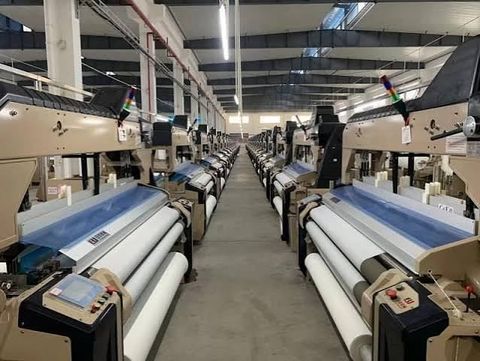
A water jet loom is a shuttleless textile weaving machine that uses a controlled stream of water to carry weft yarn through the opening formed by warp yarns.
Unlike traditional shuttle weaving, the weft does not travel inside a heavy shuttle. Instead, water provides the force needed to move the yarn across the weaving width. The technology is mainly associated with synthetic filament yarns such as polyester and nylon.
The development of water-jet weaving came from efforts to increase weaving speed while reducing the mechanical movement associated with conventional shuttles. Early fluid-jet weaving developments emerged in Europe during the mid-20th century, followed by further development and industrial use in textile-producing regions.
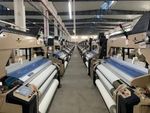
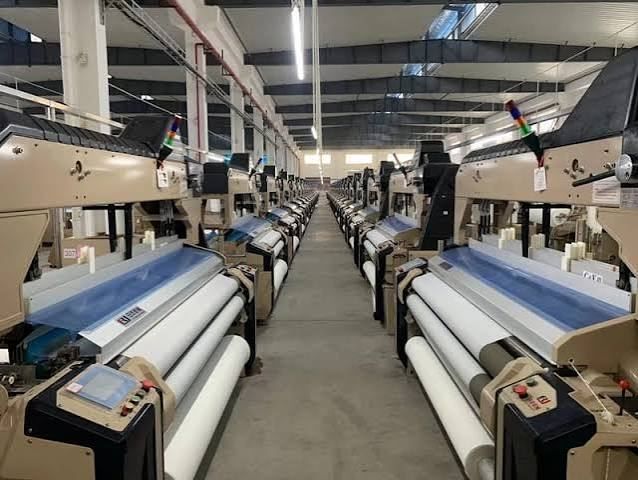
Today, a water jet weaving machine combines mechanical, electronic, and water-handling components. A typical water jet loom machine includes a warp beam, shedding mechanism, water pump, nozzle, weft detector, reed, take-up system, and electronic controls.
How Water Jet Weaving Works
The basic weaving cycle starts when the shedding mechanism separates the warp yarns to create a passage for the weft. A measured length of weft yarn is then positioned near the water nozzle.
The pump produces a controlled water stream, and the nozzle directs the stream across the warp opening. The water carries the weft yarn to the opposite side, where the yarn is detected and positioned. The reed then pushes the inserted yarn into the developing fabric.
After the pick is completed, the weaving cycle repeats. Water removal and drying are also important because the yarn and fabric become wet during the process. The precise pressure, timing, nozzle arrangement, yarn characteristics, and fabric construction depend on the machine configuration.
Materials Commonly Used
Water jet weaving is particularly suitable for hydrophobic continuous-filament yarns. Polyester, nylon, and some other synthetic filament materials are commonly associated with this technology because they do not readily absorb water.
A polyester water jet loom can therefore be used for fabrics such as lining materials, taffeta, umbrella fabrics, and other synthetic textiles. Fabrics made from absorbent fibers require different considerations because water can affect yarn behavior and subsequent drying requirements.
Importance
Water jet weaving matters because weaving is a central stage in textile production. The choice of loom affects which yarns can be processed, how the fabric is formed, how water is handled, and how the production line is configured.
For textile producers, an industrial water jet loom can be particularly relevant when the intended fabric uses compatible synthetic filament yarns. For the wider public, the technology helps explain how materials used in clothing, household products, luggage, umbrellas, and other textile applications can be manufactured at industrial scale.
Speed and Continuous Weaving
A high speed water jet loom can insert weft yarn rapidly because the water stream carries the yarn across the warp opening without a conventional shuttle. Modern electronic controls coordinate several movements during each weaving cycle.
An automatic water jet loom can also coordinate functions such as weft detection, yarn insertion, warp let-off, fabric take-up, and machine monitoring. The exact level of automation differs among machine configurations.
Main Components
The major components of a water jet weaving machine include:
- Warp beam, which holds and supplies the warp yarn.
- Shedding mechanism, which creates the opening for weft insertion.
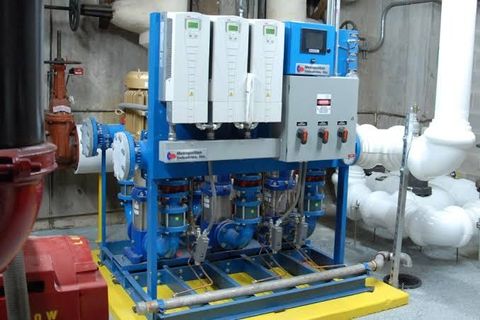
- Pump and nozzle system, which produces and directs the water jet.
- Weft detector, which checks whether the inserted yarn reaches the required position.
- Reed, which pushes each inserted yarn into the fabric.
- Let-off and take-up systems, which regulate warp supply and fabric winding.
- Electronic controller, which coordinates machine movements and operating parameters.
- Water collection and filtration equipment, which manages water used during weaving.
These components operate together rather than functioning as isolated parts.
Advantages and Limitations
Water jet weaving machinery has characteristics that make it appropriate for particular textile applications. It can support rapid weft insertion and is particularly suited to smooth synthetic filament yarns.
However, the technology also has limitations. Water management is necessary, the fabric needs drying after weaving, and yarn compatibility is important. Untreated cotton and other highly absorbent materials generally do not fit the same operating conditions as hydrophobic synthetic filaments.
| Factor | Water Jet Loom Characteristic |
|---|---|
| Weft insertion | Controlled water jet |
| Common yarns | Polyester, nylon, synthetic filaments |
| Machine type | Shuttleless loom |
| Main utility | Water |
| Fabric condition after weaving | Wet and requires water removal |
| Main controls | Mechanical and electronic |
| Common applications | Synthetic textile fabrics |
Recent Updates
Recent developments in water jet weaving have focused on higher levels of electronic control, machine monitoring, water management, corrosion protection, and flexible configuration. Current machine designs can include electronic let-off and take-up systems, multiple water jets, computerized controls, and different shedding arrangements.
Industry data also indicates continued activity in this type of weaving equipment. The International Textile Manufacturers Federation reported that global shipments of shuttleless looms increased in 2024, while water-jet loom shipments increased by 56% to approximately 143,000 units. The report also noted that 99% of water-jet loom shipments went to Asia and Oceania, showing the importance of these markets to this category of machinery.
Computerized and Automated Controls
A computerized water jet loom can use electronic controls to coordinate water pressure, timing, weft insertion, machine speed, and other operating parameters. Sensors can identify events such as missing or incorrectly inserted weft yarn and may trigger machine responses according to programmed settings.
An automated water jet weaving system can therefore combine mechanical weaving functions with electronic monitoring. This is part of the broader movement toward industrial textile weaving machinery that uses more integrated controls.
Multi-Jet and Flexible Configurations
Some newer water jet systems provide multiple jet arrangements and electronic weft selection. Depending on the configuration, machines may support different shedding systems, including crank, cam, dobby, or jacquard mechanisms.
These developments allow manufacturers to configure a machine around factors such as fabric width, yarn characteristics, weave structure, and production requirements. They do not mean that every configuration is suitable for every textile.
Water Management and Machine Protection
Because water is central to the weaving process, modern machines increasingly pay attention to drainage, filtration, splash protection, and corrosion-resistant components. These features are important for maintaining stable operation in a wet mechanical environment.
Water management is also relevant to the wider production facility. Filtration, collection, recirculation, and drying arrangements can form part of the complete weaving setup, depending on the equipment and plant design.
Tools and Resources
Understanding a water jet loom machine can be easier when technical information is organized around the fabric and yarn rather than the machine name alone. Useful resources include manufacturer specification sheets, textile engineering references, weaving manuals, machine configuration tables, and fabric construction documents.
Technical Resources
Helpful resources may include:
- Yarn specification sheets covering filament type, denier, twist, and other characteristics.
- Fabric construction tables showing warp density, weft density, and finished width.
- Loom specification sheets describing reed width, shedding arrangements, and insertion systems.
- Water-quality and filtration references for textile production environments.
- Textile engineering textbooks explaining weaving principles.
- Machine maintenance manuals covering pumps, nozzles, sensors, drives, and water-handling components.
A complete water jet weaving production line can also involve preparation stages such as warping and sizing, followed by weaving, inspection, drying, and fabric handling. The exact arrangement varies according to the textile and production environment.
Understanding Water Jet Loom Machine Price
Water jet loom machine price is not represented by one standard figure because machine configuration can vary substantially. Factors such as reed width, electronic controls, number of water jets, shedding mechanism, automation level, accessories, installation requirements, and production configuration can affect the quoted amount.
For comparison purposes, technical specifications should therefore be considered alongside the stated price. Comparing only the headline figure may not provide a complete picture of what is included in a particular machine configuration.
FAQs
What is a water jet loom?
A water jet loom is a shuttleless weaving machine that uses a controlled water stream to carry weft yarn across the warp shed. It is mainly associated with synthetic continuous-filament yarns such as polyester and nylon.
How does a water jet weaving machine work?
A water jet weaving machine uses a pump and nozzle to propel the weft yarn through the warp opening. Sensors, the reed, shedding mechanism, let-off system, and take-up system coordinate the remaining parts of the weaving cycle.
What fabrics can a polyester water jet loom produce?
A polyester water jet loom can be used for various polyester filament fabrics, including lining materials, taffeta, umbrella fabrics, and some industrial or household textiles. Suitability depends on yarn properties and fabric construction.
What affects water jet loom machine price?
Water jet loom machine price can vary according to machine width, speed configuration, electronic controls, shedding arrangement, number of jets, automation features, and associated equipment. Specifications should be compared before interpreting different quoted amounts.
What is an automatic water jet loom?
An automatic water jet loom uses electronic and mechanical systems to coordinate functions such as weft insertion, yarn detection, warp let-off, fabric take-up, and machine control. The exact automation functions depend on the machine design.
Conclusion
A water jet loom uses a controlled water stream to insert weft yarn and is primarily associated with synthetic filament weaving. Modern water jet weaving machines combine pumps, nozzles, sensors, mechanical components, and electronic controls to coordinate the weaving cycle. Developments through 2024–2026 have included greater electronic control, flexible jet configurations, machine monitoring, and attention to water management. The technology remains particularly relevant to textile production involving compatible polyester, nylon, and other synthetic filament fabrics.