Wire Bonding Machine: An Overview of Technology and Applications
A wire bonding machine is a specialized piece of equipment used in semiconductor manufacturing to create electrical connections between tiny electronic components.
It connects semiconductor chips, known as dies, to supporting structures such as lead frames or package substrates using extremely thin metal wires. Wire bonding technology plays an important role in producing integrated circuits used in computers, smartphones, automotive electronics, communication devices, and industrial equipment.
The development of wire bonding technology is closely connected to the growth of the semiconductor industry. As electronic devices became smaller and more complex, manufacturers needed precise methods to connect microscopic components. Mechanical bonding methods gradually developed into automated systems that use controlled pressure, heat, ultrasonic energy, and optical alignment.
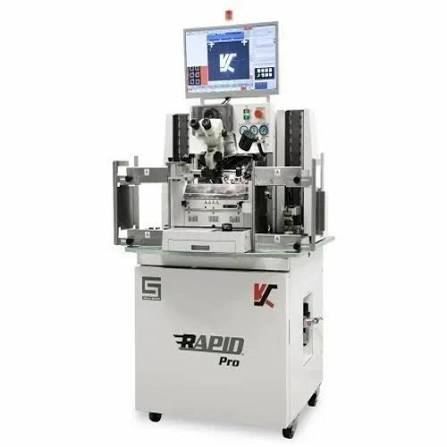
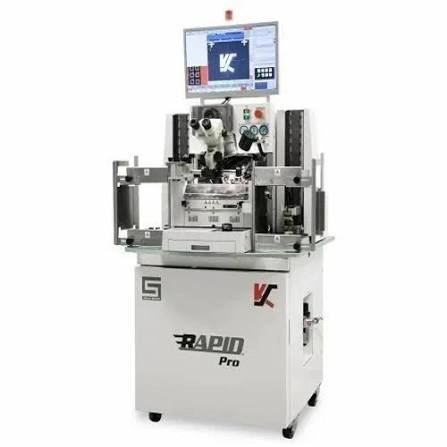
Modern wire bonding equipment typically includes a bonding head, wire feeding mechanism, positioning system, control software, and inspection features. Depending on the application, a semiconductor wire bonding machine may use gold, copper, silver, or aluminum wire to establish electrical connections.
How Wire Bonding Technology Works
Wire bonding involves attaching a thin metal wire between a semiconductor die and a conductive contact point on a package or substrate. The machine positions the wire, forms a connection at the first contact point, guides it to the second point, and completes the connection.
Two common bonding methods are ball bonding and wedge bonding. Ball bonding generally uses a small ball formed at the end of a wire, while wedge bonding uses a shaped bonding tool to press the wire against contact surfaces. The selected method depends on wire material, component design, production requirements, and packaging structure.
Main Components of a Wire Bonding Machine
A typical automatic wire bonding machine contains several coordinated components:
- Bonding head: Holds and positions the bonding tool during the connection process.
- Wire feeding system: Supplies and guides the fine metal wire.
- Motion control system: Moves the bonding head or work platform to precise positions.
- Vision system: Uses cameras and image processing to locate bonding points.
- Control software: Manages bonding parameters, movement, and production sequences.
- Inspection system: Helps identify bonding defects and alignment problems.
These components work together to create repeatable electrical connections during semiconductor assembly.
Importance
Wire bonding is important because electrical connections are necessary for semiconductor chips to function within electronic devices. Without reliable connections between the chip and its surrounding package, integrated circuits cannot communicate properly with external components.
Industrial wire bonding equipment is used across several industries, including consumer electronics, telecommunications, automotive manufacturing, medical electronics, and industrial automation. The quality of the bonding process can influence electrical performance, mechanical stability, and the reliability of finished electronic products.
Supporting Miniaturized Electronics
Modern electronic devices contain increasingly compact components with complex electrical layouts. A precision wire bonding machine helps position fine wires accurately within limited spaces.
This precision is particularly relevant to devices that contain multiple connections within a small semiconductor package. Consistent positioning and controlled bonding conditions help address challenges related to limited space, delicate materials, and closely arranged contact points.
Maintaining Electrical and Mechanical Reliability
A wire bond must maintain electrical conductivity while withstanding mechanical and environmental conditions. Weak connections, incorrect wire placement, contamination, or excessive bonding force can create defects.
Manufacturers monitor parameters such as bonding force, temperature, ultrasonic energy, and wire loop shape. Inspection and testing help identify problems that could affect the performance or durability of electronic assemblies.
Applications Across Industries
Wire bonding technology is used in different electronic applications, including:
- Consumer electronics: Integrated circuits used in mobile devices, computers, and household electronics.
- Automotive electronics: Semiconductor packages used in control units, sensors, and power electronics.
- Telecommunications: Components found in communication equipment and signal-processing systems.
- Industrial electronics: Semiconductor devices used in automation equipment, monitoring systems, and power control.
- Medical electronics: Electronic assemblies used in diagnostic instruments and other specialized devices.
The specific bonding method and equipment configuration vary according to the electrical and physical requirements of each application.
Recent Updates
From 2024 through 2026, semiconductor packaging has continued to develop alongside demand for compact electronic devices, artificial intelligence hardware, automotive electronics, and advanced computing systems. These developments have increased attention on packaging methods that support complex chip designs and different material combinations.
Wire bonding remains relevant within this changing environment. Although newer packaging approaches, including advanced flip-chip and hybrid bonding methods, are used in certain applications, conventional wire bonding continues to serve many semiconductor packaging requirements.
Automation and Precision Improvements
An automatic semiconductor bonding system can combine machine vision, programmable motion control, and automated parameter adjustment. These capabilities support accurate positioning and reduce the need for repeated manual intervention during production.
Developments in high speed wire bonding machine technology focus on coordinating movement, wire handling, and bonding operations while maintaining process consistency. Actual performance depends on the machine design, package layout, wire material, and production conditions.
Advanced Materials and Bonding Methods
Gold wire bonding machine configurations have historically been used for their electrical and material characteristics. Copper and other wire materials are also used in semiconductor assembly, depending on the application and manufacturing requirements.
Ultrasonic wire bonding machine technology uses high-frequency mechanical vibrations to support the formation of a bond. This approach is used in several bonding applications, with specific process settings determined by the wire, bonding surface, and component design.
Integration with Semiconductor Packaging
Advanced semiconductor packaging equipment increasingly involves coordinated processes rather than isolated manufacturing steps. Die bonding and wire bonding equipment may be integrated within broader assembly workflows that include die placement, interconnection, inspection, and testing.
This integration makes process monitoring and equipment compatibility important considerations. Manufacturers also evaluate how packaging designs influence the number, arrangement, and accessibility of wire connections.
| Technology | Main Function | Common Application |
|---|---|---|
| Ball bonding | Forms ball-shaped wire connections | Integrated circuit packaging |
| Wedge bonding | Uses a wedge tool to establish wire connections | Power devices and specialized assemblies |
| Ultrasonic bonding | Uses mechanical vibration during bonding | Fine-wire and selected industrial applications |
| Vision alignment | Locates bonding points using cameras | Precision semiconductor assembly |
| Automated inspection | Identifies bonding and positioning defects | Production quality monitoring |
Tools and Resources
Understanding wire bonding involves examining the equipment, software, materials, and testing methods used throughout semiconductor assembly. These resources help explain how bonding processes are designed, monitored, and evaluated.
Equipment and Process Monitoring Tools
A complete semiconductor wire bonding system may include automated positioning equipment, vision inspection cameras, bonding parameter controls, and production monitoring software. These components help operators observe machine activity and review process conditions.
Common monitoring and testing resources include:
- Bond pull testers for measuring the mechanical strength of wire bonds.
- Wire bond shear testers for evaluating selected bond connections.
- Optical microscopes for examining wire placement and bond appearance.
- Machine vision software for checking alignment and identifying visible defects.
- Process monitoring software for recording machine settings and production information.
Technical Documentation and Learning Resources
Semiconductor equipment manuals provide information about machine components, operating principles, process parameters, and maintenance requirements. Technical publications from semiconductor industry organizations and engineering institutions also explain packaging methods and bonding developments.
Educational materials covering microelectronic wire bonding equipment, materials science, and semiconductor assembly can help readers understand the relationship between bonding techniques and electronic package design.
FAQs
What is a wire bonding machine used for?
A wire bonding machine creates electrical connections between semiconductor chips and package contact points using thin metal wires. It is commonly used during integrated circuit assembly.
What is the difference between a gold wire bonding machine and a copper wire bonding machine?
The main difference is the wire material used for electrical connections. Gold and copper have different physical and electrical characteristics, which influence bonding parameters, equipment settings, and packaging considerations.
How does an ultrasonic wire bonding machine work?
An ultrasonic wire bonding machine applies controlled mechanical vibrations along with bonding pressure. The vibration helps establish a connection between the wire and the contact surface without relying solely on heat.
What factors affect the accuracy of an automatic wire bonding machine?
Accuracy can depend on motion control, optical alignment, bonding tool condition, wire handling, machine calibration, and the selected bonding parameters. Component positioning and surface conditions also influence the process.
What is the role of wire bonding in semiconductor packaging?
Wire bonding connects the electrical contacts of a semiconductor die to conductive points on its package. These connections allow signals and electrical power to move between the chip and the surrounding electronic system.
Conclusion
A wire bonding machine is an important part of semiconductor assembly, creating electrical connections through controlled placement and bonding of fine metal wires. Different bonding methods, including ball bonding, wedge bonding, and ultrasonic bonding, address varying material and packaging requirements. Automation, machine vision, and process monitoring continue to influence the development of industrial wire bonding equipment. Understanding these technologies provides useful context for examining how modern electronic devices are manufactured.