Bottle Washing Systems: An Overview of Modern Cleaning Methods
Bottle washing systems are designed to clean bottles before they are filled, packaged, reused, or processed further.
A bottle washing machine can use water, cleaning solutions, rinsing stages, air, mechanical movement, or combinations of these methods to remove dust, particles, residues, and other unwanted materials from bottle surfaces. These systems are used across industries where container cleanliness is an important part of production.
Early bottle cleaning methods relied heavily on manual handling, brushes, soaking, and simple rinsing arrangements. As production volumes increased, manufacturers developed mechanical bottle washing equipment that could handle groups of containers in a controlled sequence. Modern systems can now combine conveyors, rotating mechanisms, spray nozzles, sensors, pumps, and programmable controls.
How Bottle Washing Systems Work
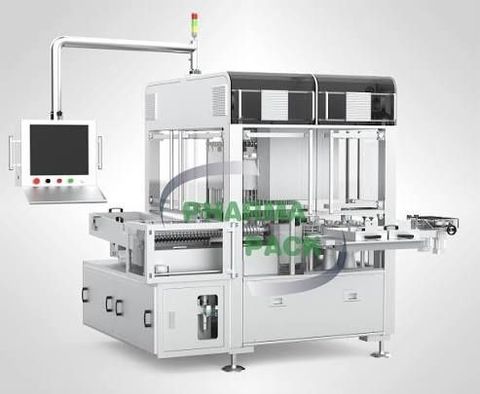
An automatic bottle washing machine generally moves bottles through several cleaning stages. The exact sequence depends on the bottle material, shape, intended use, and cleanliness requirements.
A typical process may include:
- Initial rinsing to remove loose particles.
- Washing with water or an appropriate cleaning solution.
- Mechanical or pressure-assisted cleaning for persistent residues.
- Intermediate rinsing to remove remaining cleaning material.
- Final rinsing using a specified water quality.
- Air or controlled drying before the next production stage.
Industrial bottle washing systems may use continuous or batch-based operation. Continuous systems move bottles through multiple stations, while batch systems process a defined group before another group enters the washing cycle.
Types of Bottle Cleaning Equipment
Bottle cleaning systems vary according to their application. An automatic bottle cleaning machine may be designed for beverage containers, reusable packaging, laboratory containers, or other applications.
Industrial bottle cleaning equipment can include rotating bottle washers, tunnel washers, spray washers, immersion systems, and combined washing and rinsing units. Pharmaceutical bottle washing machine designs generally place greater emphasis on controlled cleaning conditions, repeatable cycles, container handling, and compatibility with subsequent processing stages.
Importance
Bottle cleanliness can affect product handling, packaging processes, and the condition of containers before filling. Dust, particles, residues, or other contaminants can interfere with downstream operations, particularly when containers are intended for controlled production environments.
Bottle washing systems therefore form part of a wider preparation process. They are relevant to packaging facilities, food and beverage production, pharmaceutical manufacturing, laboratories, and other industries that use bottles as containers.
Supporting Consistent Cleaning
Manual cleaning can involve variations in handling, rinsing, and drying. Automated bottle cleaning systems can follow programmed sequences, helping operators apply defined process parameters to groups of containers.
A high speed bottle washing machine may be used in production environments where many containers must pass through cleaning stages within a continuous workflow. The actual processing capacity depends on machine configuration, bottle dimensions, washing stages, and operating conditions.
Handling Different Bottle Designs
Bottles can vary considerably in height, diameter, opening size, material, and internal shape. A washing system must therefore hold and position containers appropriately during cleaning.
Precision bottle washing equipment may use controlled bottle positioning and targeted spray patterns. High precision bottle washing systems are particularly relevant when consistent coverage of internal or external surfaces is required.
Applications in Controlled Environments
Pharmaceutical and laboratory applications can have specific requirements for container preparation. Pharmaceutical bottle cleaning systems may incorporate controlled rinsing, defined cleaning cycles, and equipment configurations designed around the characteristics of the containers being processed.
Sterile bottle washing equipment is associated with processes where container cleanliness and subsequent sterilization or aseptic handling are part of the overall production workflow. Washing itself should not automatically be considered equivalent to sterilization, since these are separate process objectives.
Recent Updates
Between 2024 and 2026, developments in bottle washing have generally focused on automation, process monitoring, water management, flexible production, and integration with broader packaging systems. Modern equipment increasingly uses digital controls to monitor operating conditions and coordinate washing stages.
Automated bottle washing equipment can incorporate sensors that monitor factors such as temperature, pressure, flow, bottle presence, and machine status. These measurements can help operators identify changes during a washing cycle and maintain documented operating parameters.
Greater Use of Automation
Advanced bottle washing machinery is increasingly connected with conveyors, filling equipment, inspection systems, and packaging lines. This integration can reduce unnecessary manual transfers between stages and create a more continuous production sequence.
Automated pharmaceutical bottle washing systems can also be designed around controlled movement and repeatable cleaning cycles. Depending on the application, automated controls may record process information for review.
Water and Resource Management
Water use has become an important consideration in industrial cleaning processes. Modern systems may use controlled spray patterns, recirculation arrangements, filtration, or staged rinsing to manage water use while maintaining the required cleaning process.
The appropriate approach depends on the application and regulatory requirements. Reusing process water may require suitable treatment and monitoring rather than simple circulation without controls.
Digital Monitoring and Inspection
Digital sensors and inspection technologies are becoming more closely connected with washing equipment. Sensors can monitor process conditions, while inspection systems may examine containers for visible particles, damage, incorrect positioning, or other characteristics.
These technologies support a broader movement toward data-based manufacturing. They do not eliminate the need for equipment maintenance, process validation, cleaning procedures, or human oversight.
| System Type | Typical Cleaning Approach | Common Application |
|---|---|---|
| Rotary bottle washer | Rotating bottles with controlled sprays | High-volume production |
| Tunnel washer | Sequential washing and rinsing zones | Continuous processing |
| Immersion washer | Bottles placed in cleaning liquid | Residue removal |
| Spray washer | Directed water or cleaning solution | External and internal cleaning |
| Pharmaceutical washer | Controlled washing and rinsing cycles | Pharmaceutical containers |
| Automated cleaning system | Programmed sequence of cleaning stages | Integrated production lines |
Tools and Resources
Understanding bottle washing requires more than selecting a washing machine. Process design, container specifications, cleaning requirements, water quality, equipment compatibility, and inspection methods all influence how a system operates.
Process Planning Resources
Process diagrams and equipment layout templates can help explain the movement of bottles through each stage. A basic process map can identify where bottles enter, how they are positioned, which cleaning stages they pass through, and where cleaned containers exit.
Useful planning resources include:
- Process flow diagrams for mapping washing stages.
- Cleaning checklists for documenting routine process requirements.
- Equipment manuals for understanding machine controls and operating limits.
- Water-quality documentation for identifying appropriate rinsing conditions.
- Maintenance schedules for tracking inspection and replacement activities.
Pharmaceutical Cleaning Resources
Pharmaceutical washing and cleaning systems may require documentation covering cleaning procedures, validation activities, material compatibility, and environmental controls. Regulatory and technical organizations publish guidance that can help manufacturers understand applicable requirements.
Pharmaceutical bottle washing systems may also be integrated with controlled drying, inspection, sterilization, and filling processes. Each stage has a distinct function and should be evaluated according to the requirements of the complete production process.
Equipment Evaluation Factors
When comparing complete industrial bottle washing systems, several technical factors can be examined:
- Bottle dimensions and material.
- Internal and external cleaning requirements.
- Washing and rinsing stages.
- Water pressure and temperature ranges.
- Cleaning solution compatibility.
- Drying arrangements.
- Production speed.
- Sensor and control features.
- Cleaning validation requirements.
- Integration with other production equipment.
These factors provide a structured way to understand how different bottle washing equipment configurations are designed for different applications.
FAQs
What are bottle washing systems used for?
Bottle washing systems are used to remove particles, residues, dust, and other unwanted materials from bottles before further processing. They are used in industries such as food and beverage, pharmaceuticals, laboratories, and manufacturing.
How does an automatic bottle washing machine work?
An automatic bottle washing machine moves bottles through programmed stages such as initial rinsing, washing, intermediate rinsing, final rinsing, and drying. The exact sequence varies according to the bottle and application.
What is the difference between bottle washing equipment and bottle cleaning systems?
Bottle washing equipment refers mainly to the physical machinery used for washing. Bottle cleaning systems can describe the broader arrangement, including washing equipment, pumps, controls, water handling, rinsing, drying, and inspection components.
What are pharmaceutical bottle cleaning systems?
Pharmaceutical bottle cleaning systems are designed for cleaning containers used in controlled pharmaceutical production environments. They may include defined washing cycles, controlled rinsing, automated handling, and documentation or monitoring features.
Can bottle washing systems sterilize bottles?
Washing and sterilization are separate processes. A washing system removes unwanted materials through a defined cleaning process, while sterilization uses a separate validated method intended to reduce viable microorganisms to a specified level.
Conclusion
Bottle washing systems have developed from manually handled cleaning methods into automated equipment capable of coordinating multiple washing, rinsing, and drying stages. Modern bottle washing machines can incorporate sensors, digital controls, inspection technologies, and integration with wider production lines. Industrial and pharmaceutical applications may require different approaches based on container design, cleanliness requirements, process controls, and applicable standards. Understanding these factors provides useful context for evaluating how modern bottle cleaning systems function.