Construction Testing Equipment: An Overview of Testing Methods and Tools
Construction testing equipment includes machines, instruments, laboratory tools, and measurement systems used to examine the properties and performance of construction materials and structures.
Construction testing equipment helps determine characteristics such as strength, density, moisture content, durability, flexibility, and resistance to different loads. These measurements are used during material evaluation, construction quality testing, and structural assessment.
The development of construction testing machines is closely connected with the growth of modern civil engineering. As buildings, roads, bridges, tunnels, and other structures became more complex, standardized methods were developed to measure how materials behave under controlled conditions. Testing allows engineers and laboratory personnel to compare measured properties with project specifications and applicable technical standards.
Major Types of Construction Testing
Construction materials testing equipment covers a broad range of applications. Concrete testing equipment is used to examine fresh and hardened concrete, while soil testing equipment for construction helps evaluate ground materials before and during foundation and earthwork activities.
Asphalt testing equipment is used for road and pavement materials. Building materials testing equipment can also be used for materials such as aggregates, bricks, blocks, cement, metals, and other components used in construction.
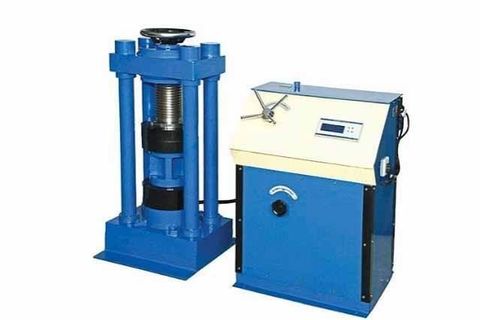
Construction laboratory equipment may include compression machines, sieves, moisture meters, density measurement devices, curing equipment, load frames, and other instruments. The particular equipment selected depends on the material, testing method, and required measurement.
How Construction Testing Is Performed
A typical testing process involves preparing a sample, applying a defined testing procedure, recording measurements, and interpreting the results. The procedure may use a mechanical load, controlled temperature, water exposure, pressure, abrasion, or another condition that represents the property being examined.
Testing methods are generally based on established technical standards. Following a defined procedure helps make results more consistent and allows measurements from different samples or laboratories to be compared.
Importance
Construction testing is important because the physical properties of construction materials can vary. Raw materials, manufacturing conditions, storage, moisture, mixing, curing, and environmental exposure can all affect material behavior.
Testing provides measurable information that can be used during design, material selection, construction inspection, and structural evaluation. It also helps identify differences between expected material properties and measured results.
Concrete and Material Evaluation
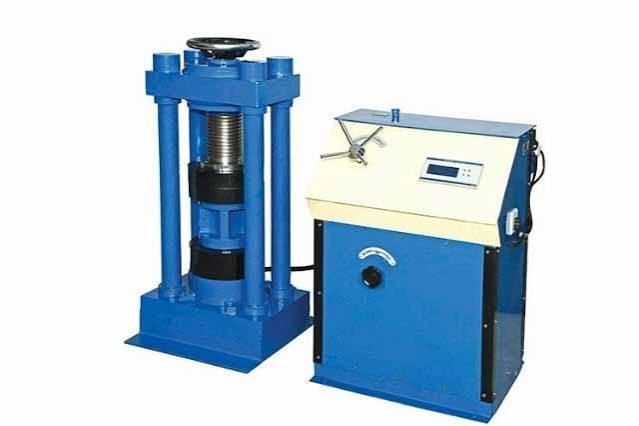
Concrete strength testing equipment is commonly used to measure the compressive strength of concrete specimens. Other concrete tests may examine workability, density, water absorption, splitting tensile strength, or resistance to environmental conditions.
Construction quality testing equipment is also used for aggregates, cementitious materials, asphalt mixtures, and soil. Each material requires a testing method suited to its physical and chemical characteristics.
Soil and Pavement Testing
Soil conditions influence foundations, roads, retaining structures, and other forms of construction. Soil testing equipment for construction can measure properties such as moisture, density, particle distribution, compaction characteristics, and bearing-related behavior.
For roads and other paved surfaces, asphalt testing equipment can examine characteristics such as mixture properties, deformation resistance, density, and durability. These measurements help provide information about how pavement materials behave under expected conditions.
Structural Assessment
Structural testing equipment is used to examine components or structures under controlled loads or other physical conditions. Depending on the application, testing may involve beams, columns, connections, slabs, bridge components, or other structural elements.
Industrial structural testing equipment can be designed for larger components and higher loads. Such testing can provide measurements related to deformation, load response, vibration, or other structural characteristics.
| Testing Area | Typical Material or Component | Common Measurements |
|---|---|---|
| Concrete testing | Concrete specimens | Compressive strength, density, absorption |
| Soil testing | Soil and earth materials | Moisture, density, compaction |
| Asphalt testing | Asphalt mixtures | Density, deformation, mixture properties |
| Aggregate testing | Stone and aggregate | Gradation, abrasion, density |
| Structural testing | Beams, columns, components | Load response, deformation |
| Cement testing | Cementitious materials | Setting behavior, strength |
Recent Updates
Construction testing has increasingly incorporated digital measurement, automated data collection, electronic controls, and software-based reporting. The broader movement toward digital construction has also affected laboratories and testing environments.
Automated construction testing systems can control portions of a test procedure, record measurements electronically, and transfer results into digital records. Automation can reduce manual data recording, although appropriate calibration, test preparation, and human oversight remain important.
Digital Measurement and Data Recording
Modern instruments can use electronic sensors to measure force, displacement, pressure, temperature, moisture, and other variables. Digital displays and connected data systems can make test results easier to record and organize.
Advanced materials testing equipment may combine sensors with software that controls test sequences and stores measurements. This approach is particularly relevant when many samples need to be tested using the same procedure.
Higher Measurement Precision
Precision construction testing machines are increasingly designed around electronic load measurement, displacement monitoring, and automated control. High precision concrete testing equipment can measure applied forces and specimen responses with controlled test parameters.
Measurement accuracy depends on more than the instrument itself. Calibration, specimen preparation, environmental conditions, test procedures, and operator practices can all affect the final result.
Integrated Testing Systems
Advanced construction materials testing systems can combine several functions into a connected laboratory workflow. A complete construction testing equipment system may include test machines, sensors, computers, data acquisition components, sample preparation tools, and reporting software.
High performance construction testing systems are also being applied to research and specialized material studies. These systems can help researchers examine how materials respond to different loads, temperatures, moisture levels, and environmental conditions.
Tools and Resources
Construction testing requires more than individual machines. Supporting resources include testing standards, calculation methods, sample preparation tools, calibration records, laboratory documentation, and data management platforms.
Laboratory Tools
Common construction laboratory equipment includes compression testing machines, balances, ovens, sieves, molds, curing tanks, density measurement tools, and moisture measurement instruments. The exact combination depends on the laboratory's testing scope.
Useful supporting resources include:
- Test procedure templates for documenting sample preparation and measurement steps.
- Laboratory worksheets for recording observations and numerical results.
- Unit conversion calculators for pressure, force, mass, and dimensional measurements.
- Material testing standards from recognized technical organizations.
- Calibration records for tracking instrument verification.
- Digital laboratory management platforms for organizing test information.
Standards and Technical References
Organizations such as ASTM International, ISO, and national standards bodies publish technical documents covering many construction material tests. These references describe procedures, equipment requirements, specimen dimensions, calculations, and reporting methods.
Technical standards should be selected according to the material, test purpose, project requirements, and applicable jurisdiction. A testing method designed for one material should not automatically be applied to another material without confirming its suitability.
Data and Reporting Tools
Digital spreadsheets and laboratory software can be used to organize measurements, calculate results, create tables, and maintain test records. Processed data should remain traceable to the original sample, test procedure, instrument, and measurement conditions.
For automated construction testing systems, data acquisition software can connect sensors and testing machines to a central recording environment. This can help organize repeated measurements while maintaining a record of the test sequence.
FAQs
What is construction testing equipment?
Construction testing equipment consists of machines, instruments, and laboratory tools used to measure properties of construction materials and structural components. Examples include concrete compression machines, soil testing instruments, asphalt testing equipment, and structural load frames.
What is concrete testing equipment used for?
Concrete testing equipment is used to measure properties such as compressive strength, density, workability, absorption, and other characteristics. The specific test depends on whether the concrete is fresh, hardened, or being evaluated for a particular performance property.
What does soil testing equipment for construction measure?
Soil testing equipment for construction can measure properties such as moisture content, density, particle distribution, and compaction characteristics. These measurements provide information about soil behavior for applications such as foundations and earthwork.
What are automated construction testing systems?
Automated construction testing systems use electronic controls, sensors, and software to manage some parts of a testing procedure and record measurements. Human oversight remains important for sample preparation, equipment verification, test selection, and interpretation.
Why is structural testing equipment used?
Structural testing equipment is used to examine how structural components or assemblies respond to controlled loads or other conditions. Measurements may include load, displacement, deformation, vibration, or other characteristics relevant to the particular test.
Conclusion
Construction testing equipment provides measurable information about materials, components, and structures used in the built environment. Concrete, soil, asphalt, aggregate, and structural testing each require methods and tools suited to their specific properties. Recent developments have increased the use of digital measurement, automated controls, connected data systems, and advanced materials testing equipment. Accurate results continue to depend on appropriate procedures, equipment calibration, sample preparation, and careful interpretation.