Continuous Processing Machine: An Overview of Modern Industrial Systems
A continuous processing machine is an industrial system designed to process materials through a steady, uninterrupted flow rather than separate batches.
These machines are used in industries such as food production, chemicals, pharmaceuticals, paper manufacturing, and material processing. A continuous processing machine can handle operations such as mixing, heating, cooling, drying, filtering, and forming, depending on its design.
The development of continuous processing equipment is closely connected to the growth of large-scale industrial manufacturing. As production requirements expanded, industries began adopting machinery that could handle a consistent flow of raw materials and maintain repeated operating conditions. This approach helped establish continuous production machinery as an important part of modern industrial facilities.
How Continuous Processing Machines Work
A continuous processing machine receives raw materials through an input system, processes them while they move through different stages, and releases the finished or partially processed material through an output system. Depending on the application, the equipment may use conveyors, pumps, rotating components, heating units, mixing chambers, or automated controls.
An industrial continuous processing machine typically operates alongside sensors and control systems that monitor factors such as temperature, pressure, flow rate, speed, and material consistency. Operators can use this information to observe operating conditions and make adjustments when necessary.
Types of Continuous Processing Equipment
Continuous processing equipment varies according to the materials being handled and the intended production activity.
- Continuous mixing machines: Combine liquids, powders, or other materials in a steady flow.
- Continuous heating and cooling systems: Maintain controlled temperatures as materials move through processing stages.
- Continuous drying equipment: Removes moisture from materials through controlled exposure to heat or airflow.
- Continuous chemical processing equipment: Supports chemical reactions and material transformations under monitored conditions.
- Continuous forming machinery: Shapes materials into consistent products through ongoing mechanical operations.
An automatic continuous processing machine may combine several functions with programmable controls, sensors, and automated material handling.
Importance
Continuous processing systems play an important role in industries that require regular material movement and consistent production conditions. They affect the availability and manufacturing of everyday products, including packaged foods, construction materials, chemicals, paper products, and household items.
A continuous manufacturing equipment setup can reduce repeated starting and stopping between production stages. It can also help coordinate different operations within a production facility, provided that the machinery, material supply, and control systems are properly designed.
Production Consistency and Operational Flow
Continuous production machinery is often used when materials need to pass through several connected stages. For example, a food manufacturing facility may combine ingredient preparation, mixing, heating, and cooling within an integrated processing arrangement.
Maintaining consistent operating conditions is important because changes in temperature, flow rate, pressure, or material composition can affect the final output. A precision continuous processing system uses measurement and control equipment to monitor these conditions during operation.
Capacity and Resource Management
High-capacity continuous processing equipment can handle substantial material volumes over extended operating periods. Its actual output depends on factors such as equipment design, material characteristics, operating conditions, maintenance requirements, and production planning.
Continuous processing may also support more coordinated energy and material use. However, energy efficiency and resource consumption vary between applications, so the performance of each system needs to be evaluated according to its specific operating requirements.
Challenges in Continuous Processing
Continuous systems have limitations that need consideration during planning and operation. Equipment interruptions can affect several connected production stages, while changes in raw material quality may require adjustments to operating conditions.
Other challenges include equipment cleaning, maintenance scheduling, process monitoring, worker safety, and managing production changes. Facilities handling sensitive or hazardous materials may also require additional containment, ventilation, and process safety measures.
Recent Updates
Modern continuous processing systems are increasingly incorporating digital monitoring, automation, and data-based process management. Developments across industrial manufacturing from 2024 to 2026 reflect a broader movement toward connected equipment, flexible production arrangements, and improved visibility into operating conditions.
Digital Monitoring and Smart Controls
Advanced continuous manufacturing systems increasingly use sensors, programmable logic controllers, industrial networks, and monitoring software. These technologies can collect information about equipment performance and material movement throughout the production process.
Automated industrial processing machinery may also use condition-monitoring tools to identify unusual vibration, temperature changes, or variations in operating behavior. Such information can help maintenance teams investigate potential equipment issues before they cause wider production interruptions.
Integration of Automated Production Lines
A continuous production line equipment arrangement can connect material preparation, processing, inspection, and packaging stages. Integration allows equipment to exchange operating information and coordinate material movement between different parts of a facility.
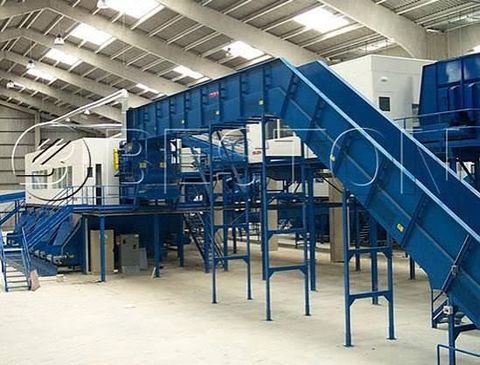
A complete industrial continuous processing line may include automated feeders, processing units, conveyors, sensors, control panels, and output-handling equipment. The level of integration depends on the production requirements and the compatibility of the individual components.
Developments in Food and Chemical Processing
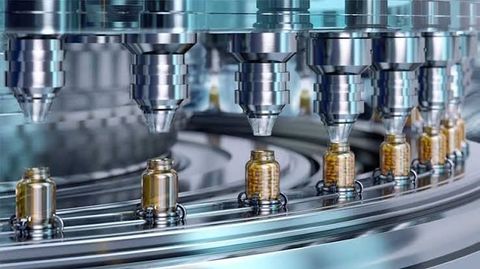
A continuous food processing machine may combine temperature control, mixing, filling, or other operations within a coordinated production arrangement. Digital monitoring can help track processing conditions and support quality documentation.
Similarly, a continuous industrial processing system used in chemical manufacturing may rely on automated flow control, temperature monitoring, and reaction management. These systems require application-specific engineering because material properties and operating conditions can vary significantly.
| Technology | Main Function | Common Application |
|---|---|---|
| Automated feeders | Maintain material input | Food and material processing |
| Flow sensors | Monitor material movement | Chemical and liquid processing |
| Temperature controllers | Regulate heating and cooling | Food and chemical production |
| Programmable controllers | Coordinate machine operations | Industrial production lines |
| Condition-monitoring systems | Track equipment behavior | Manufacturing and processing |
| Industrial data platforms | Collect and display process information | Connected production facilities |
Tools and Resources
Planning and operating a continuous processing system involves several technical tools and reference materials. These resources help engineers, operators, and production teams understand process requirements and monitor equipment behavior.
Process Design and Simulation Tools
Process simulation software can help model material flow, heat transfer, mixing, and other operating conditions. Engineers may use these tools to examine how changes in equipment configuration or process parameters could affect production.
Process flow diagrams and equipment layout templates are also useful for documenting the sequence of operations. They can show how raw materials enter a system, move between processing stages, and leave as finished or intermediate products.
Monitoring and Maintenance Resources
Industrial monitoring platforms can display operating information collected from sensors and controllers. Depending on the system, these platforms may include alarms, historical trends, equipment status indicators, and production reports.
Maintenance documentation, inspection checklists, and equipment manuals help teams understand operating limits and scheduled maintenance requirements. These resources are particularly relevant to automated continuous processing equipment that operates for extended periods.
Technical Standards and Learning Materials
Technical publications from organizations such as the International Organization for Standardization (ISO) and the International Society of Automation (ISA) provide information about industrial equipment, automation, measurement, and process control. Manufacturer documentation and technical training materials can also explain machine-specific operating principles.
FAQs
What is a continuous processing machine?
A continuous processing machine handles materials through a steady flow instead of processing separate batches. It is commonly used for mixing, heating, drying, chemical treatment, and other industrial operations.
What are the advantages of continuous processing equipment?
Continuous processing equipment can support consistent material flow, coordinated production stages, and extended operating periods. Its practical advantages depend on production volume, material properties, equipment design, and maintenance requirements.
How does an automatic continuous processing machine work?
An automatic continuous processing machine uses mechanical components and control systems to move and process materials. Sensors and programmable controls can monitor operating conditions and adjust selected machine functions according to predefined instructions.
Where is continuous manufacturing equipment used?
Continuous manufacturing equipment is used in food processing, chemical production, paper manufacturing, plastics production, and other industries. The equipment type varies according to the material and the processing requirements.
What is the difference between batch and continuous processing?
Batch processing handles a defined quantity of material during each production cycle, with operations often separated by loading and unloading stages. Continuous processing moves materials through the system in an ongoing flow, although interruptions may still occur for cleaning, maintenance, or production changes.
Conclusion
Continuous processing machines are important components of modern industrial systems because they support ongoing material movement and coordinated production activities. Their applications range from food manufacturing and chemical processing to drying, mixing, and material forming. Digital monitoring, automated controls, and integrated production lines are shaping the development of modern continuous processing equipment. Understanding their operating principles, applications, and limitations provides useful insight into how industrial production systems function.