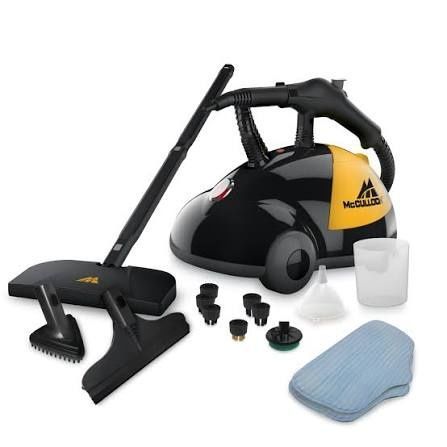
Heavy Duty Steam Cleaner: An Overview of Powerful Cleaning Technology
A heavy duty steam cleaner is a cleaning machine that uses heated water to produce steam for removing dirt, grease, residue, and other contaminants from suitable surfaces.
Unlike ordinary cleaning methods that rely mainly on mechanical scrubbing or chemical agents, steam cleaning uses heat and controlled moisture as part of the cleaning process. The technology is used in industrial facilities, commercial buildings, transportation areas, kitchens, workshops, and other environments where routine surface cleaning can involve difficult residues.
Steam cleaning technology developed from the broader use of steam for industrial processes. As heating systems, pressure controls, pumps, and electrical components improved, machines could generate and direct steam through hoses and specialized nozzles. Modern industrial steam cleaning equipment combines these elements into compact or stationary systems designed for particular cleaning tasks.
An industrial steam cleaner may generate steam at different temperatures and pressures depending on its design. A high pressure steam cleaner uses pressure to direct steam toward a surface, while a high temperature steam cleaning machine places greater emphasis on heat. Some equipment combines both characteristics, although pressure and temperature are separate technical measurements.
How Steam Cleaning Works
A typical heavy duty steam cleaning machine heats water inside a boiler or heating chamber. The resulting steam is then directed through a hose, lance, brush, or nozzle toward the surface being cleaned.
Heat can soften grease and other residues, while the movement of steam can help loosen particles from a surface. Some systems also use vacuum recovery to collect moisture and loosened material after treatment.
The basic process generally involves:
- Water being supplied to the heating system.
- A heating element or boiler producing steam.
- Pressure and temperature being monitored.
- Steam being delivered through a hose and nozzle.
- Dirt and residue being loosened from the target surface.
- Remaining moisture or debris being collected when the equipment includes recovery functions.
Types of Steam Cleaning Equipment
Different applications require different equipment configurations. An industrial steam cleaning machine may be designed for machinery, production areas, food preparation environments, floors, vehicles, or other surfaces.
A commercial steam cleaner is generally intended for larger or more frequent cleaning tasks than household equipment. Industrial pressure steam cleaners can be configured for demanding environments where controlled pressure and heat are required.
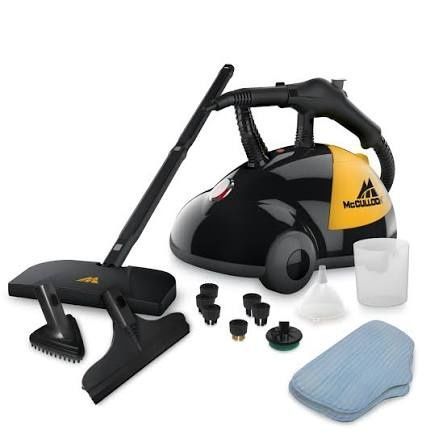
An industrial floor steam cleaner, for example, may use wider cleaning heads and accessories designed for hard floor surfaces. Heavy duty commercial steam cleaning systems can include multiple attachments for treating floors, corners, equipment surfaces, and other areas.
Importance
Steam cleaning matters because many environments contain surfaces where accumulated grease, oils, residues, and dirt can interfere with normal operations or create difficult cleaning conditions. Manufacturing facilities, kitchens, warehouses, transportation areas, and commercial buildings may all require different approaches to routine cleaning.
Heavy duty steam cleaning equipment can be useful where heat and controlled moisture are suitable for the material being treated. The approach can also reduce reliance on certain cleaning chemicals in applications where steam alone is appropriate, although the actual cleaning method depends on the contaminant and surface.
Industrial and Commercial Applications
Industrial steam cleaning systems are used across several types of environments. Manufacturing facilities may use them around machinery, tools, floors, and equipment. Commercial environments can use steam equipment for kitchens, washrooms, hard floors, and other areas requiring regular cleaning.
Examples include:
- Manufacturing equipment and production areas.
- Industrial floors and workshops.
- Commercial kitchens and food preparation areas.
- Transportation and vehicle interiors.
- Machinery surfaces and tools.
- Hard surfaces in public and commercial buildings.
Professional steam cleaning equipment can also include accessories designed for narrow gaps, large floor areas, curved surfaces, and detailed cleaning.
Cleaning and Hygiene Considerations
Steam can help loosen contaminants through heat and moisture, but cleaning and sanitation are not identical processes. Whether steam treatment achieves a particular hygiene outcome depends on temperature, exposure time, surface condition, equipment design, and the organism or contaminant involved.
Some commercial equipment manufacturers describe steam systems as suitable for hygiene-focused applications, including food-related environments. Such claims should be understood in relation to the specific machine, operating conditions, and applicable hygiene requirements.
Safety and Operating Conditions
Steam is hot and can cause burns, while pressurized equipment can create additional hazards. OSHA guidance identifies high-pressure steam, uncontrolled hoses, and leaks as potential hazards and highlights the importance of appropriate protective equipment, controlled access, and inspection of hoses and connections.
Industrial steam pressure cleaning equipment should therefore be operated according to its technical instructions and applicable workplace requirements. Pressure gauges, relief mechanisms, hose connections, insulation, and protective equipment are relevant safety considerations for systems involving pressurized steam.
Recent Updates
From 2024 through 2026, the general direction of steam cleaning technology has involved greater control over steam flow, temperature, pressure, water use, and accessories. Equipment designs increasingly distinguish between cleaning tasks rather than relying on one operating setting for every surface.
Manufacturers have also continued developing machines with adjustable steam output and accessories intended for different surfaces. Some systems allow operators to change steam flow or combine steam with hot water, providing greater control over the cleaning process.
Greater Control of Steam Output
Modern industrial steam cleaning equipment can incorporate controls that adjust steam delivery according to the task. Lower settings may be appropriate for sensitive surfaces, while higher settings can be used where the material and equipment specifications permit.
This trend is also visible in commercial steam cleaning equipment designed with adjustable controls and interchangeable accessories. The objective is to match operating conditions with the surface rather than applying identical treatment everywhere.
Integration With Industrial Cleaning Systems
Industrial cleaning environments may combine steam cleaners with pressure washers, industrial vacuums, floor machines, or specialized cleaning heads. Equipment manufacturers currently describe combinations of steam, high-pressure cleaning, vacuum recovery, and other methods for different production environments.
Advanced industrial steam cleaners can therefore form part of a broader cleaning arrangement rather than functioning as isolated machines. The appropriate combination depends on the material, contamination, available utilities, and workplace requirements.
| Equipment Type | Main Characteristic | Typical Application |
|---|---|---|
| Heavy duty steam cleaner | Heated steam | General heavy-duty surfaces |
| Industrial steam cleaner | Industrial construction | Machinery and production areas |
| High pressure steam cleaner | Controlled pressure | Difficult surface residues |
| Industrial floor steam cleaner | Floor-focused accessories | Hard industrial floors |
| Commercial steam cleaner | Commercial-scale operation | Kitchens and buildings |
| Industrial steam cleaning systems | Integrated components | Larger cleaning operations |
Tools and Resources
Understanding the equipment specifications is an important part of selecting and operating steam cleaning technology. Useful information can be found in technical manuals, safety documentation, surface compatibility guides, maintenance schedules, and equipment specification sheets.
Equipment Specifications
Important specifications can include steam temperature, operating pressure, heating capacity, water capacity, steam flow, hose length, electrical requirements, and recovery capability. These measurements describe how the equipment operates but should not be interpreted independently of the intended application.
A high performance industrial steam cleaning system may have different specifications from a compact commercial unit because the equipment is designed for different workloads and environments.
Accessories and Maintenance Resources
Professional steam cleaning equipment can use brushes, floor heads, extension wands, detail nozzles, hoses, recovery attachments, and other components. The appropriate accessory depends on the surface and the cleaning task.
Useful resources include:
- Manufacturer technical manuals for operating procedures.
- Surface compatibility charts for material considerations.
- Safety checklists for hoses, connections, and protective equipment.
- Maintenance schedules for boilers, filters, tanks, and fittings.
- Cleaning process templates for documenting routine procedures.
Complete industrial steam cleaning equipment may also include water treatment or filtration components where water quality affects heating elements and internal components. Maintenance requirements vary according to equipment design.
FAQs
What is a heavy duty steam cleaner?
A heavy duty steam cleaner is equipment designed to generate heated steam for cleaning demanding surfaces. It may be used for machinery, floors, workshops, commercial spaces, and other applications appropriate for steam treatment.
How does an industrial steam cleaner work?
An industrial steam cleaner heats water to create steam and then directs that steam through a hose and nozzle. Heat, moisture, and controlled pressure can help loosen dirt and residue from suitable surfaces.
Is a high pressure steam cleaner the same as a pressure washer?
No. A high pressure steam cleaner primarily uses heated steam, while a pressure washer generally uses pressurized water. Some industrial equipment can combine hot water, steam, or pressure-based cleaning functions.
Where is an industrial floor steam cleaner used?
An industrial floor steam cleaner is designed for suitable hard floor surfaces in environments such as workshops, production areas, kitchens, warehouses, and commercial buildings. Surface compatibility should be checked before use.
What safety precautions apply to industrial steam cleaning equipment?
Operators should follow equipment instructions, inspect hoses and connections, use appropriate protective equipment, and control access around high-temperature or pressurized steam. OSHA identifies burns, high-pressure streams, hose movement, and leaks among relevant hazards.
Conclusion
Heavy duty steam cleaners use heated water and controlled steam to address cleaning tasks across industrial and commercial environments. Industrial steam cleaning equipment varies in pressure, temperature, steam flow, recovery functions, and accessories according to its intended application. Recent equipment development has emphasized adjustable controls, specialized attachments, and integration with other cleaning technologies. Safe operation requires attention to equipment specifications, surface compatibility, pressure, temperature, hoses, connections, and appropriate protective measures.