How Lithium Refining Machinery Works: A Complete Guide
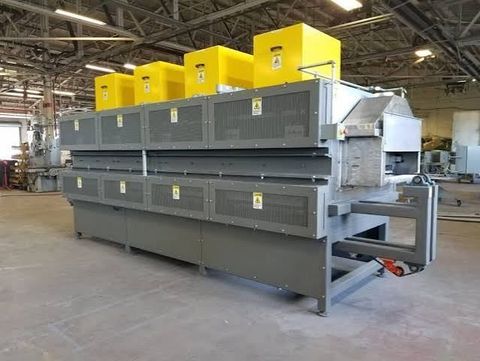
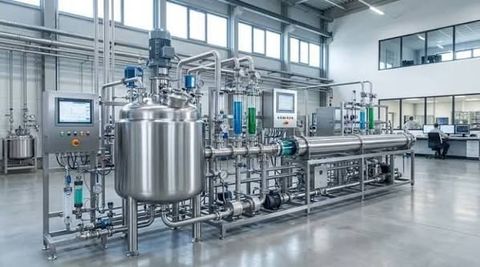
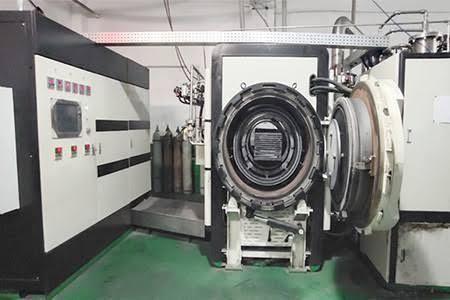
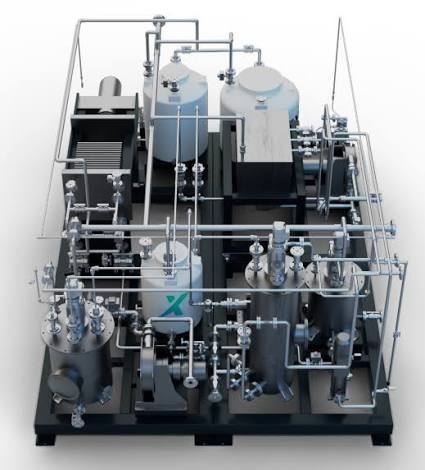
Lithium refining machinery is used to process lithium-bearing raw materials and convert them into purified lithium compounds suitable for industrial applications.
The equipment used depends on the source material, such as lithium brine or hard-rock minerals, and the chemical process selected for extraction and purification.
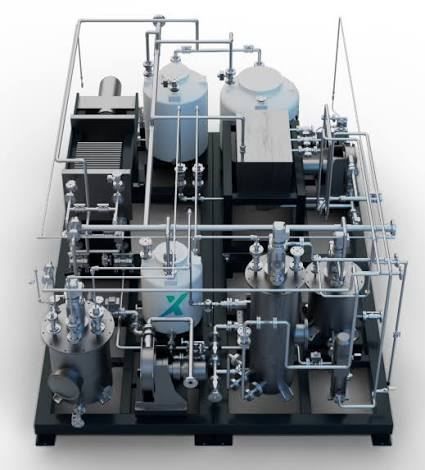
A lithium processing facility can include crushing equipment, grinding mills, separation systems, reactors, filtration units, evaporation systems, crystallizers, dryers, and material-handling equipment. These machines work together through several stages to concentrate lithium and remove unwanted materials.
What Is Lithium Refining Machinery?
Lithium refining machinery refers to the equipment used during the processing and purification of lithium-bearing materials. The machinery supports physical separation, chemical conversion, filtration, concentration, crystallization, drying, and related operations.
The exact equipment arrangement varies according to the feedstock.
Brine-Based Processing
Lithium-containing brine is processed through concentration and chemical treatment stages. Evaporation, adsorption, membrane separation, ion exchange, precipitation, and other technologies can be used depending on the process.
Hard-Rock Processing
Hard-rock lithium ores, such as spodumene-bearing minerals, generally undergo crushing, grinding, mineral separation, thermal treatment, chemical conversion, leaching, purification, and crystallization.
How Lithium Refining Machinery Works
1. Raw Material Preparation
The first stage prepares the lithium-bearing feed for further processing.
For hard-rock materials, crushers and grinding equipment reduce the particle size of mined material. Screening equipment can separate particles according to size before additional processing.
For brine-based operations, pumps and filtration equipment transfer and condition the lithium-containing solution.
2. Concentration
The prepared feed undergoes a concentration stage to increase the proportion of lithium-bearing material or solution.
Different processes may use gravity separation, flotation, magnetic separation, adsorption, membranes, evaporation, or other technologies.
The selected method depends on the feed characteristics and lithium concentration.
3. Chemical Conversion
In hard-rock processing, thermal and chemical treatment can convert lithium minerals into forms that are more suitable for subsequent extraction.
Rotary kilns, calciners, reactors, and related equipment may be used during this stage.
4. Leaching
Leaching transfers lithium into a liquid phase using an appropriate chemical process. The resulting solution contains lithium along with other dissolved elements.
Reactors, tanks, pumps, heat exchangers, and agitation systems can be integrated into the leaching circuit.
5. Solid-Liquid Separation
After leaching, solid residues are separated from the lithium-bearing solution. Filtration, thickening, clarification, or centrifugation equipment may be used.
The separation stage is important because remaining solids can interfere with downstream purification.
6. Purification
The lithium-bearing solution undergoes additional treatment to remove unwanted elements.
Depending on the process, purification can involve precipitation, ion exchange, adsorption, solvent extraction, membrane separation, or other chemical separation techniques.
7. Concentration and Crystallization
The purified solution is concentrated before lithium compounds are crystallized. Evaporators and crystallizers can be used to control concentration and crystal formation.
The specific process depends on whether the desired product is lithium carbonate, lithium hydroxide, or another lithium compound.
8. Drying and Product Handling
The resulting solid material is separated from the remaining liquid and dried. Dryers, filters, conveyors, storage systems, and packaging equipment can then handle the finished material.
Main Types of Lithium Refining Machinery
Crushing and Grinding Equipment
Crushers and grinding mills reduce hard-rock ore to suitable particle sizes. Size reduction improves the ability of downstream equipment to liberate and process lithium-bearing minerals.
Rotary Kilns and Calciners
Thermal processing equipment can heat lithium-bearing minerals to modify their chemical or physical structure before chemical extraction.
Leaching Reactors
Leaching reactors provide controlled conditions for transferring lithium from a solid material into a solution. Agitation, temperature, residence time, and reagent concentration can influence the process.
Filtration Equipment
Filters separate solids from lithium-containing liquids. Different filter designs can be selected according to particle size, solids concentration, throughput, and liquid characteristics.
Evaporators
Evaporators remove water or other volatile components to increase the concentration of dissolved lithium compounds.
Crystallizers
Crystallizers create controlled conditions for forming solid lithium compounds from concentrated solutions.
Dryers
Drying equipment removes residual moisture from the refined product. Common configurations include rotary, fluidized-bed, vacuum, and other industrial dryers.
Main Components of Lithium Processing Systems
| Component | Main Function |
|---|---|
| Crusher | Reduces hard-rock feed size |
| Grinding mill | Produces finer mineral particles |
| Screen | Separates particles by size |
| Reactor | Provides controlled chemical reaction conditions |
| Agitator | Promotes mixing in tanks and reactors |
| Leaching system | Transfers lithium into solution |
| Filter | Separates solids from liquids |
| Thickener | Concentrates solids and clarifies liquid |
| Evaporator | Concentrates dissolved materials |
| Crystallizer | Forms solid lithium compounds |
| Dryer | Removes residual moisture |
| Pump | Transfers liquids through the process |
| Conveyor | Moves solid materials |
| Control system | Monitors and regulates process conditions |
Lithium Refining From Brine
Brine-based lithium processing begins with lithium-containing saline water. The brine can undergo pretreatment before lithium concentration and purification.
Traditional evaporation-based systems use evaporation ponds or industrial evaporation equipment to increase lithium concentration. Other approaches can use direct lithium extraction technologies, including adsorption, ion exchange, membranes, or solvent-based processes.
After concentration and purification, lithium can be converted into a desired compound through chemical processing and crystallization.
Lithium Refining From Hard-Rock Minerals
Hard-rock lithium processing generally begins with ore preparation. Crushing and grinding reduce the material to a size suitable for mineral separation.
Concentration can be followed by thermal treatment and chemical conversion. The converted material may then undergo leaching, solid-liquid separation, purification, concentration, and crystallization.
The exact sequence varies according to mineral composition and the selected refining route.
Important Operating Parameters
Temperature
Temperature influences thermal treatment, leaching reactions, evaporation, crystallization, and drying. Precise temperature control can therefore be important across multiple stages.
Pressure
Certain processes use controlled pressure to influence reaction conditions, evaporation, filtration, or other operations.
Reagent Concentration
Chemical reagent concentration affects extraction and purification reactions. Process controls help maintain the required chemical conditions.
Residence Time
Residence time determines how long material remains within a reactor or processing stage. It can affect reaction completion and product characteristics.
Particle Size
In hard-rock processing, particle size affects mineral liberation, separation, and subsequent chemical processing.
Moisture Content
Moisture levels influence material handling, drying requirements, and the properties of the final lithium compound.
Applications of Lithium Refining Machinery
Battery Material Production
Refined lithium compounds are important raw materials for lithium-ion battery manufacturing. Processing equipment supports the conversion of lithium-bearing feedstocks into battery-grade chemical materials.
Energy Storage
Lithium compounds are used in materials associated with rechargeable energy-storage technologies. Refining machinery supports the preparation of lithium compounds used in these supply chains.
Glass and Ceramics
Lithium compounds can be used in glass and ceramic formulations. Refining equipment produces controlled chemical materials for these applications.
Lubricating Greases
Certain lithium compounds are used in lubricating grease formulations. Refining and chemical processing equipment can produce the required lithium-based materials.
Process Control and Automation
Modern lithium processing facilities can use automated control systems to monitor temperature, pressure, flow, pH, density, concentration, and other process variables.
Sensors provide information to a central control system, which can regulate pumps, valves, heaters, agitators, and other equipment.
Automation can also support data logging and process monitoring across multiple stages of a refining circuit.
Maintenance Requirements
Lithium refining machinery operates under combinations of mechanical, thermal, chemical, and abrasive conditions. Regular inspection is therefore important.
Crushers and mills should be checked for wear and vibration. Pumps, valves, reactors, filters, evaporators, and crystallizers should be inspected according to their operating conditions.
Chemical-processing equipment may require corrosion monitoring, cleaning, seal inspection, and examination of process-contact surfaces.
Instrumentation should also be checked and calibrated to maintain reliable process measurements.
Environmental and Safety Considerations
Lithium refining can involve high temperatures, chemical reagents, dust, pressurized systems, and process residues. Appropriate engineering controls and operating procedures are required.
Dust control can be important during crushing and grinding. Chemical handling areas may require containment, ventilation, monitoring, and suitable protective equipment.
Process water, solid residues, and chemical streams should be managed according to applicable environmental requirements and the specific characteristics of the refining process.
FAQs
What is lithium refining machinery?
Lithium refining machinery includes the equipment used to process lithium-bearing brines or minerals through stages such as concentration, leaching, purification, crystallization, drying, and material handling.
What equipment is used for hard-rock lithium processing?
Hard-rock processing can use crushers, grinding mills, screens, separation equipment, kilns or calciners, reactors, filters, evaporators, crystallizers, and dryers.
How is lithium extracted from brine?
Brine processing can use concentration and purification technologies such as evaporation, adsorption, ion exchange, membrane separation, or direct lithium extraction methods, depending on the process.
What are lithium refining machines used for?
They are used to convert lithium-bearing raw materials into purified lithium compounds such as lithium carbonate or lithium hydroxide for applications including battery materials, glass, ceramics, and other chemical products.
Why is process control important in lithium refining?
Temperature, pressure, chemical concentration, flow, pH, residence time, and other variables can influence extraction and purification. Monitoring and control help maintain the specified process conditions.
Conclusion
Lithium refining machinery supports the conversion of lithium-bearing raw materials into purified lithium compounds. The equipment used depends heavily on whether the feedstock is brine or hard-rock mineral and on the selected extraction and purification process.
A complete processing circuit may include material preparation, concentration, thermal treatment, leaching, filtration, purification, evaporation, crystallization, drying, and material handling equipment. Careful process control, equipment maintenance, chemical management, and environmental controls are important throughout the refining operation.