How Waste Plastic Sorting Systems Work: A Complete Guide
Waste plastic sorting systems are used to separate discarded plastic materials into different categories before recycling or further processing.
Sorting can be based on polymer type, color, size, shape, density, or other physical and optical characteristics.
Modern recycling facilities can combine conveyors, screens, magnets, air separation equipment, optical sensors, cameras, and automated sorting units to process mixed plastic streams. The selected system depends on the type of incoming waste, desired material fractions, contamination levels, and downstream recycling process.
What Are Waste Plastic Sorting Systems?
Waste plastic sorting systems are combinations of equipment designed to identify and separate plastic materials from mixed waste streams. The systems can separate plastics from non-plastic materials and can further divide plastics into different categories.
Commonly separated polymers include PET, HDPE, PP, PVC, and other plastic types. Some systems also separate plastics by color or remove unwanted materials such as paper, metals, glass, and organic matter.
The overall objective is to create more consistent material streams for subsequent processing.
How Waste Plastic Sorting Systems Work
A typical plastic sorting process includes several stages.
1. Waste Receiving
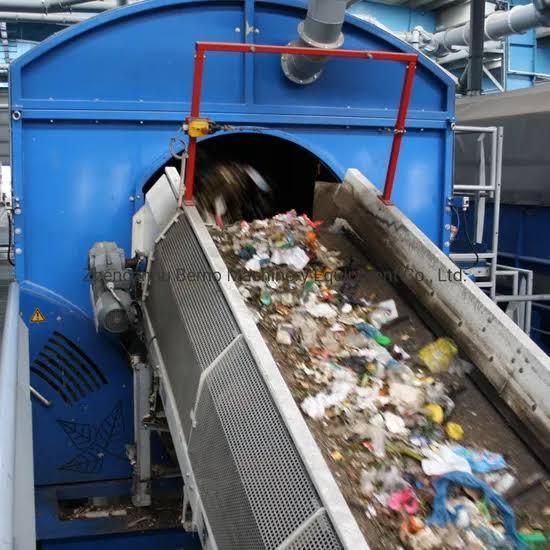
Mixed plastic waste enters the recycling facility and is transferred to the sorting line.
The incoming material may include containers, packaging, films, rigid plastics, labels, caps, and non-plastic contaminants.
2. Material Feeding
A feeding system distributes the material onto a conveyor at a controlled rate. Consistent material flow helps downstream sorting equipment identify and separate individual items.
3. Preliminary Separation
Screens or mechanical separators may remove oversized or undersized materials. Other equipment can separate loose materials according to size, shape, or density.
4. Metal Removal
Magnetic separators can remove ferrous metals from the plastic stream. Eddy-current separators may be used to separate certain non-ferrous metals.
Removing metals helps protect downstream equipment and improves the quality of the sorted plastic fractions.
5. Optical Identification
Optical sorting equipment uses cameras, near-infrared sensors, or other detection technologies to identify plastic materials.
Different polymers interact with light in different ways, allowing sensors to distinguish between selected material types.
6. Automated Ejection
Once a target material is identified, the control system determines its position on the conveyor. Air jets or mechanical mechanisms can then direct the item into a designated collection stream.
7. Secondary Sorting
Some facilities use additional sorting stages to improve material separation. A PET stream, for example, may undergo further sorting to remove unwanted colors, polymers, labels, or other contaminants.
8. Sorted Material Collection
Separated materials are directed into containers, bunkers, compactors, or other collection systems before moving to washing, shredding, granulation, pelletizing, or other recycling stages.
Main Types of Waste Plastic Sorting Systems
Manual Sorting Systems
Manual sorting relies on trained workers to identify and remove selected materials from a moving conveyor.
It can be used for preliminary inspection or specific material categories that are difficult to identify automatically.
Mechanical Sorting Systems
Mechanical systems separate materials based on physical characteristics such as size, shape, weight, and density.
Screens, trommels, ballistic separators, and other mechanical equipment can be incorporated into these systems.
Optical Sorting Systems
Optical sorting systems use sensors and cameras to identify materials according to characteristics such as polymer type and color.
Automated air jets can then separate identified items from the main conveyor stream.
Near-Infrared Sorting Systems
Near-infrared sensors detect differences in how materials reflect infrared wavelengths. This can allow sorting equipment to distinguish selected polymer types.
Density-Based Sorting Systems
Density-based equipment separates plastics according to differences in material density. Air classification and float-sink processes are examples of approaches that can be used for selected plastic streams.
Combined Sorting Systems
Large recycling facilities often combine multiple sorting technologies. Mechanical separation can be followed by optical identification, metal removal, manual inspection, and additional quality-control stages.
Comparison of Plastic Sorting Methods
| Sorting Method | Main Separation Principle | Typical Use |
|---|---|---|
| Manual | Visual identification | Inspection and selected materials |
| Screening | Size | Preliminary separation |
| Magnetic | Magnetic properties | Ferrous metal removal |
| Eddy current | Electrical response | Non-ferrous metal removal |
| Optical | Light and visual characteristics | Polymer and color sorting |
| Near-infrared | Infrared spectral response | Polymer identification |
| Density-based | Material density | Selected plastic separation |
Main Components of Waste Plastic Sorting Systems
Feed Hopper
The feed hopper receives incoming waste and regulates material flow into the sorting line.
Conveyor System
Conveyors transport material between different sorting stages. Conveyor speed and spacing can influence sorting accuracy.
Trommel or Screening Unit
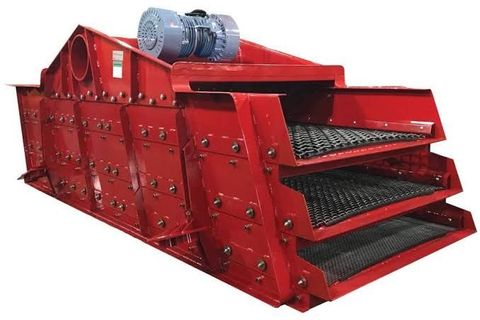
Screens separate material according to particle size. Different screen configurations can be used according to the incoming waste stream.
Magnetic Separator
Magnetic separators remove ferrous metals from mixed materials.
Optical Sorting Unit
The optical sorter contains sensors, cameras, processing electronics, and an ejection mechanism for automated material separation.
Air Ejection System
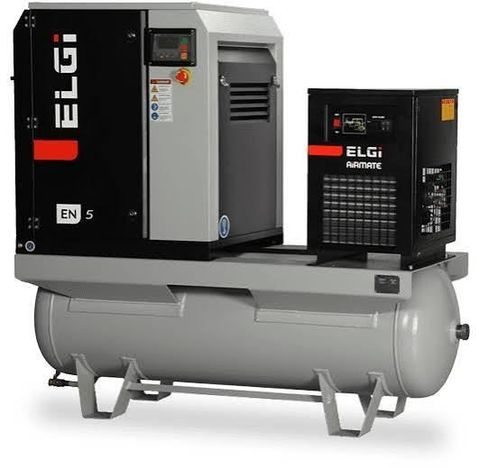
Compressed-air nozzles can direct selected plastic items away from the main conveyor stream.
Control System
A control system coordinates conveyors, sensors, sorting equipment, air valves, and other components.
Collection Bins
Sorted materials are collected in designated bins, bunkers, containers, or downstream conveying systems.
Factors Affecting Sorting Performance
Material Composition
The composition of incoming waste determines how much separation is required. A relatively uniform stream may require fewer sorting stages than heavily mixed waste.
Contamination
Food residue, labels, adhesives, dirt, metals, and other contaminants can affect material identification and final quality.
Conveyor Speed
If materials move too quickly, sensors and ejection systems may have less time to identify and separate individual items.
Item Overlap
When several objects overlap on a conveyor, sensors may have difficulty identifying each item accurately.
Material Color
Color-based sorting can separate different colors but may require additional technologies to distinguish polymers that have similar visual characteristics.
Sensor Calibration
Optical and infrared systems require appropriate calibration to maintain consistent material identification.
Applications of Waste Plastic Sorting Systems
Municipal Recycling
Sorting systems can process mixed recyclable materials collected from households and commercial sources.
Plastic Recycling Facilities
Dedicated plastic recycling plants use sorting systems to separate polymer types before washing, shredding, and pelletizing.
Packaging Recovery
Plastic packaging waste can be separated into different material streams for further processing.
PET Recycling
Sorting equipment can separate PET containers from other plastics and contaminants. Additional color and quality sorting can be used where required.
Industrial Plastic Waste
Manufacturing facilities may generate plastic scrap that can be sorted according to polymer type, color, or production source.
Waste Management Facilities
Large waste processing facilities can use combined mechanical and optical sorting systems to recover recyclable plastic materials from mixed waste.
Automation and Digital Monitoring
Modern sorting systems can use sensors, cameras, programmable controllers, and software to automate material identification and separation.
Control systems can monitor conveyor speed, air pressure, sensor status, equipment alarms, and material flow.
Some systems can also record sorting data to help operators evaluate equipment performance and identify changes in material composition.
Maintenance of Plastic Sorting Systems
Regular maintenance is important because sorting systems operate continuously and handle abrasive or contaminated materials.
Conveyors, belts, rollers, screens, sensors, air nozzles, compressors, motors, and electrical components should be inspected according to equipment requirements.
Optical sensors and camera surfaces should be kept clean because dust and material buildup can interfere with detection. Air systems should also be checked for leaks and pressure problems.
Wear on conveyor belts, screens, bearings, and other moving components should be monitored and addressed according to maintenance schedules.
Safety Considerations
Waste plastic sorting equipment contains conveyors, rotating machinery, moving belts, compressed air, electrical systems, and automated mechanisms.
Guards and emergency-stop systems should be maintained and tested according to site procedures. Workers should not reach into moving equipment or attempt to clear blockages while machinery is operating.
Lockout and isolation procedures should be followed before maintenance or cleaning activities. Appropriate protective equipment should also be used according to the material and working environment.
Frequently Asked Questions
What is the purpose of a waste plastic sorting system?
A waste plastic sorting system separates mixed plastic waste into different material categories so the fractions can be processed more effectively during recycling.
How do optical plastic sorting systems work?
Optical systems use cameras, near-infrared sensors, or other detection technologies to identify material characteristics. Air jets can then separate selected items from the main conveyor stream.
What plastics can be separated?
Depending on system configuration, sorting equipment can distinguish materials such as PET, HDPE, PP, PVC, and other polymer categories. Color and contamination sorting can also be incorporated.
Why is sorting important in plastic recycling?
Sorting creates more consistent material streams and removes unwanted materials before subsequent processes such as washing, shredding, granulation, and pelletizing.
How is plastic sorting equipment maintained?
Maintenance includes inspecting conveyors, screens, sensors, air systems, motors, bearings, electrical components, and sorting mechanisms. Optical sensors should also be kept clean and properly calibrated.
Conclusion
Waste plastic sorting systems combine mechanical, optical, sensor-based, and automated technologies to separate mixed plastic waste into usable material streams. The process can include feeding, screening, metal removal, optical identification, automated ejection, secondary sorting, and collection.
Different sorting methods address different material characteristics. Mechanical systems can separate by size or physical properties, while optical and near-infrared technologies can identify selected polymers and colors.
Proper equipment selection depends on incoming material composition, contamination levels, required output quality, processing capacity, and downstream recycling requirements. Regular maintenance, sensor calibration, automation monitoring, and appropriate safety procedures help support consistent sorting operations.