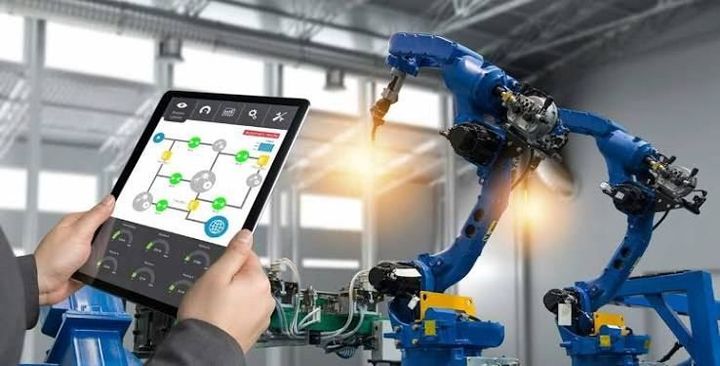
IoT Device Manufacturing: A Guide to Connected Technology and Production
IoT device manufacturing is the process of designing, assembling, testing, and preparing connected electronic devices that can collect, process, and exchange data through networks.
Internet of Things (IoT) products can include sensors, smart meters, connected appliances, tracking devices, industrial monitors, wearable electronics, and equipment used in buildings or factories. Their production combines electronic components, circuit boards, embedded software, communication technologies, and physical enclosures.
The growth of IoT device manufacturing comes from the increasing use of connected technology in homes, businesses, transportation, healthcare environments, agriculture, and industrial facilities. An IoT device normally contains several components that work together, including sensors, a processor or controller, communication hardware, a power source, and software.
How IoT Devices Are Produced
IoT hardware manufacturing generally begins with product specifications and electronic design. Engineers determine what the device needs to measure, how it will communicate, how much power it requires, and what environmental conditions it must withstand.
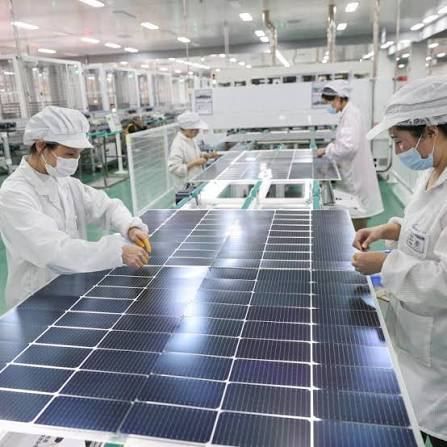
The next stages can include printed circuit board assembly, component placement, soldering, enclosure assembly, software installation, configuration, and testing. IoT device assembly equipment may support precise component placement and repeatable production steps.
IoT device production systems can connect several stages of manufacturing into an organized workflow. Depending on the device, production may involve automated inspection, electrical testing, firmware programming, functional testing, and final packaging.
Main Equipment and Systems
IoT manufacturing uses different types of equipment depending on product design and production volume. Examples include:
- IoT hardware production equipment for preparing and assembling electronic components.
- IoT device assembly equipment for placing and connecting components.
- Automated IoT device manufacturing systems for repetitive production activities.
- IoT electronics manufacturing systems that combine assembly and testing processes.
- Precision IoT device assembly equipment for small electronic components.
- Smart device manufacturing equipment for connected consumer and industrial products.
The equipment selected depends on factors such as component size, circuit complexity, production requirements, testing needs, and product design.
Importance
IoT device manufacturing matters because connected devices are becoming part of many physical and digital environments. Sensors can collect information about temperature, movement, pressure, location, energy use, equipment conditions, or other measurable factors.
For everyday users, connected technology can support applications such as smart lighting, home monitoring, fitness devices, connected vehicles, and environmental sensors. In industrial environments, connected devices can help collect operational information from machines, production areas, storage facilities, and infrastructure.
Supporting Connected Operations
Industrial IoT device manufacturing focuses on products designed for environments such as factories, warehouses, utilities, transportation systems, and infrastructure facilities. These devices may need to operate under conditions involving vibration, dust, temperature changes, moisture, or continuous use.
Industrial IoT manufacturing systems can therefore require different design and testing considerations from devices intended for ordinary indoor environments. Enclosures, connectors, power systems, communication methods, and component selection may all influence device performance.
Quality and Reliability Considerations
IoT devices often depend on several interconnected components. A problem with the sensor, processor, communication module, power supply, firmware, or circuit board can affect the overall device.
Manufacturers therefore use testing processes to identify electrical, mechanical, software, and communication problems. Automated inspection can examine circuit boards and component placement, while functional testing can verify whether a finished device performs its intended operations.
Production Challenges
IoT hardware manufacturing also presents challenges related to component availability, miniaturization, software configuration, cybersecurity, and product variation. A device may contain components from multiple suppliers and rely on several communication technologies.
Another challenge is maintaining consistent configuration across production batches. Firmware versions, device identifiers, communication settings, and calibration information may need to be recorded accurately during assembly.
Recent Updates
From 2024 through 2026, IoT manufacturing has continued moving toward greater automation, connected production equipment, improved inspection, and closer integration between hardware and software. Manufacturing facilities increasingly use digital production records and connected equipment to monitor production activities.
Greater Use of Automation
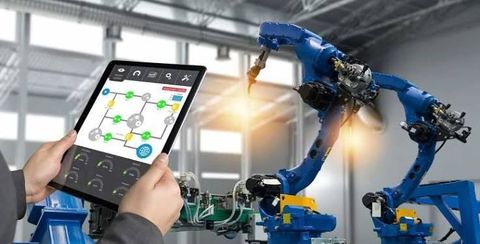
Automated IoT production systems can coordinate repetitive activities such as component placement, inspection, programming, and testing. Automation is particularly relevant when products contain small components or require consistent assembly sequences.
Advanced IoT manufacturing equipment may also connect production machines with manufacturing management platforms. This allows production information to move between equipment and digital systems rather than remaining isolated within individual machines.
Growth of Industrial IoT
Industrial IoT continues to connect physical equipment with digital monitoring and data systems. Industrial IoT device manufacturing systems are being developed for applications involving machinery monitoring, energy management, logistics, environmental measurement, and infrastructure.
These systems can include sensors, gateways, controllers, wireless communication modules, and cloud or local computing resources. The specific architecture depends on the application and communication requirements.
AI and Automated Inspection
Artificial intelligence is increasingly being explored for manufacturing inspection and data analysis. In IoT production, AI-based inspection can assist with identifying visual differences or patterns in electronic assemblies, although results depend on training data, system configuration, and inspection conditions.
AI can also be used alongside production data to identify unusual patterns. Human oversight remains relevant when inspection results are uncertain or when production decisions require contextual judgment.
Miniaturization and Integration
IoT products continue to use compact electronic components and integrated communication capabilities. High precision IoT manufacturing systems can support the assembly of small components while maintaining controlled placement and inspection processes.
Advanced IoT hardware manufacturing also increasingly involves combining sensing, processing, communication, and power-management functions into compact devices.
| Production Area | Typical Function | Related Equipment or System |
|---|---|---|
| Component placement | Places electronic components on circuit boards | Automated placement equipment |
| Circuit assembly | Connects components to boards | PCB assembly equipment |
| Inspection | Checks components and assemblies | Optical inspection systems |
| Programming | Installs device firmware | Programming stations |
| Functional testing | Checks device operation | Electrical and functional testers |
| Configuration | Records device settings | Digital production systems |
| Final assembly | Combines electronics and enclosure | IoT device assembly systems |
Tools and Resources
Several tools can support the design, production, testing, and documentation of IoT devices. The appropriate tool depends on whether the activity involves electronics design, software development, manufacturing, or testing.
Design and Development Tools
Electronic design automation platforms can be used to create circuit diagrams and printed circuit board layouts. Microcontroller development environments help developers write and test firmware that controls connected devices.
Common resources include:
- Circuit design and PCB layout platforms.
- Microcontroller development environments.
- IoT communication testing tools.
- Device configuration templates.
- Production checklists and assembly documentation.
- Electrical testing equipment.
- Digital quality-control records.
Manufacturing and Testing Resources
IoT device assembly systems may integrate component placement, soldering, inspection, programming, and testing. Manufacturing execution platforms can also record production information and connect different stages of an assembly workflow.
Testing resources can include multimeters, oscilloscopes, automated test equipment, environmental testing chambers, optical inspection systems, and communication analyzers. These tools help examine different aspects of an IoT device before it enters normal operation.
Documentation and Standards
Technical documentation is another important resource. Product specifications, assembly instructions, testing procedures, firmware records, and component documentation help maintain consistency throughout production.
Organizations may also refer to applicable electrical, radio, electromagnetic compatibility, environmental, and cybersecurity requirements depending on the intended market and application.
FAQs
What is IoT device manufacturing?
IoT device manufacturing involves designing, assembling, programming, testing, and preparing connected electronic devices. The process may include circuit board assembly, sensor integration, communication hardware, firmware installation, and functional testing.
What equipment is used in IoT device manufacturing?
IoT device manufacturing equipment can include automated component placement machines, soldering equipment, optical inspection systems, programming stations, electrical testers, and final assembly equipment. The exact equipment depends on the product design and production process.
What is industrial IoT device manufacturing?
Industrial IoT device manufacturing focuses on connected devices intended for factories, infrastructure, logistics, utilities, and other industrial environments. These products may require specialized designs for environmental conditions, communication, power management, and continuous operation.
How do IoT device assembly systems work?
IoT device assembly systems organize several production activities, which may include component placement, circuit assembly, inspection, programming, and functional testing. Some systems connect these stages through digital production records and automated controls.
What are IoT hardware production equipment systems used for?
IoT hardware production equipment is used to assemble and test electronic components that form connected devices. It can support circuit board production, component placement, inspection, programming, and device testing.
Conclusion
IoT device manufacturing combines electronic design, component assembly, software configuration, communication technology, and testing. Industrial IoT production adds requirements related to environmental conditions, equipment integration, and operational monitoring. Recent developments have increased the use of automation, connected manufacturing systems, AI-assisted inspection, and compact electronic designs. Together, these technologies form the production foundation for many connected devices used in consumer, commercial, and industrial environments.