Rock Drilling Machine: An Overview of Types, Features, and Applications
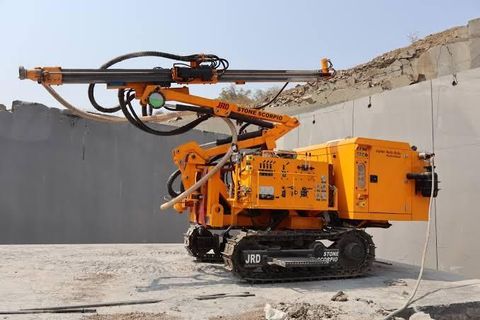
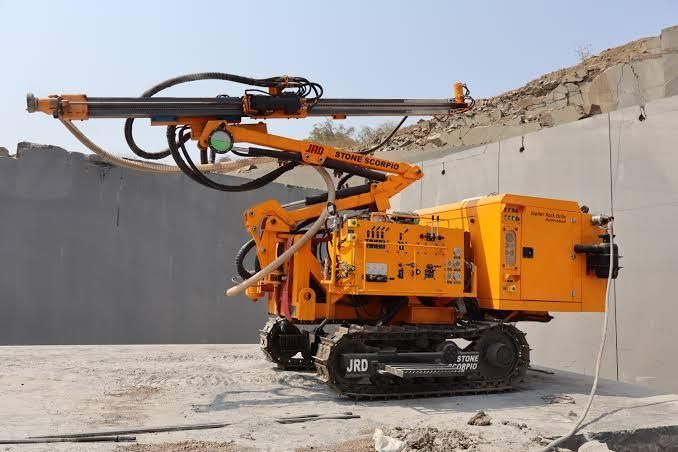
A rock drilling machine is equipment designed to create holes in hard rock, stone, and other solid geological materials.
It is widely used in mining, quarrying, construction, tunneling, and infrastructure development. A rock drilling machine applies mechanical force, rotation, percussion, or a combination of these actions to break rock and create openings for excavation, blasting, anchoring, or exploration.
The development of rock drilling equipment has changed significantly over time. Early drilling methods relied on manual tools and physical labor. The introduction of pneumatic and hydraulic technologies made it possible to develop machines that could handle harder materials and demanding drilling conditions.
Today, an industrial rock drilling machine may use hydraulic systems, compressed air, electric motors, or automated controls. The choice depends on the geological conditions, drilling depth, working environment, and the type of project.
Types of Rock Drilling Machines
Different drilling methods are used to handle different rock formations and operating requirements.
- Hydraulic rock drilling machine: Uses pressurized hydraulic fluid to generate the force needed for drilling. These machines are common in mining, tunneling, and heavy construction.
- Pneumatic rock drilling machine: Operates through compressed air and is often used in smaller mining operations, quarrying, and construction projects.
- Rotary rock drilling machine: Uses continuous rotation and pressure to penetrate rock. It is frequently applied in surface drilling and exploration activities.
- Underground rock drilling machine: Designed for underground mining and tunneling, with configurations suited to confined spaces and specialized drilling patterns.
- Automatic rock drilling machine: Uses programmed controls and automated positioning to perform selected drilling operations with reduced manual intervention.
Main Features and Components
A rock drilling machine consists of several components that work together to transfer energy to the drilling tool. Common components include a drill bit, rotation mechanism, impact mechanism, feed system, power source, and control unit.
Hydraulic rock drilling equipment may include pumps, hydraulic motors, and pressure-control components. Pneumatic equipment uses compressed air to operate its drilling mechanism. Heavy duty rock drilling machines may also include reinforced structures, protective enclosures, and systems for handling vibration and drilling debris.
Importance
Rock drilling machines play an important role in extracting minerals, preparing construction sites, and developing underground infrastructure. Their use helps address the physical challenges of drilling through hard geological materials, where manual methods may be unsuitable for the scale or conditions of the work.
Applications in Mining and Construction
Mining drilling machinery is used to create holes for mineral exploration, blasting, and excavation. In underground mines, drilling equipment helps prepare rock faces for controlled removal. Surface rock drilling equipment is commonly used in open-pit mining, quarrying, and large excavation projects.
Construction projects also depend on drilling technology. Machines may be used to prepare holes for foundation anchors, create openings for controlled blasting, and support tunnel development. The drilling method varies according to rock strength, project design, and environmental conditions.
Productivity, Safety, and Operating Conditions
Mechanized drilling can reduce the amount of direct manual effort involved in creating holes in hard rock. Consistent drilling patterns can also support planned excavation and help operators manage material removal.
However, drilling operations involve hazards such as dust, noise, vibration, falling rock, and moving machinery. Appropriate protective equipment, ventilation, dust suppression, equipment inspections, and operator training are important parts of safe operations.
Factors That Affect Machine Selection
Selecting rock drilling equipment involves evaluating several technical and environmental factors:
- Rock hardness: Geological strength and rock structure influence the drilling method and tool requirements.
- Drilling depth and diameter: Different machines support different hole dimensions and drilling arrangements.
- Working environment: Underground tunnels, open quarries, and construction sites have different space and access requirements.
- Power source: Hydraulic, pneumatic, electric, and diesel-powered systems have different operating characteristics.
- Maintenance requirements: Drill bits, hoses, filters, and moving components require inspection and maintenance according to operating conditions.
These factors also influence the rock drilling machine price, which varies with machine configuration, capacity, technology, and included equipment.
Recent Updates
Developments in rock drilling technology from 2024 through 2026 reflect broader changes in mining equipment, digital controls, energy management, and workplace safety. Manufacturers and mining operators continue to explore ways to improve drilling precision, monitor equipment conditions, and reduce unnecessary manual handling.
Automation and Digital Monitoring
An automated mining drilling system can use digital positioning, programmable drilling patterns, and sensor-based monitoring. These features can help operators manage drilling sequences and record operating information.
Advanced rock drilling systems may also incorporate equipment monitoring tools that track vibration, pressure, temperature, and drilling performance. The information can help identify operating changes and support maintenance planning.
Hydraulic and Electric Technologies
Hydraulic drilling systems remain important in applications that require substantial drilling force and controlled movement. Improvements in hydraulic components and control systems are part of ongoing equipment development.
Electric-powered drilling machinery is also receiving attention in mining and underground construction. Depending on the machine design and site infrastructure, electric systems can reduce direct exhaust emissions at the point of operation. Their practical use depends on power availability, operating conditions, and equipment requirements.
Dust Control and Operator Safety
Dust management continues to be an important consideration in rock drilling. Water-based dust suppression, dust collection systems, enclosed operator cabins, and remote operating arrangements are among the approaches used in different drilling environments.
These developments reflect a wider focus on reducing exposure to workplace hazards while maintaining clear oversight of equipment activity.
Tools and Resources
Various technical resources can help explain rock drilling operations, equipment specifications, and project requirements. Their usefulness depends on the type of drilling activity and the user's technical background.
Drilling Planning and Calculation Tools
Drilling calculations can help estimate hole depth, drilling patterns, penetration rates, and the amount of material involved in a project. Geological survey information and site measurements are also important when evaluating drilling conditions.
Common resources include:
- Drilling parameter calculators: Help estimate operating values based on drilling requirements.
- Geological maps: Provide information about rock formations and ground conditions.
- Equipment specification sheets: Explain machine capacity, dimensions, power requirements, and operating limits.
- Maintenance checklists: Help organize routine equipment inspections.
- Digital monitoring platforms: Record operating information and support equipment condition analysis.
Technical Documentation and Training
Technical manuals explain machine controls, component functions, inspection procedures, and operating limitations. Mining safety publications and engineering references provide additional information about drilling practices and workplace hazards.
Resources from geological agencies, mining research institutions, and equipment manufacturers can help readers understand drilling methods and the technical differences between machine types.
FAQs
What is a rock drilling machine used for?
A rock drilling machine creates holes in hard rock for mining, quarrying, tunneling, construction, exploration, and other excavation activities. The hole pattern and drilling method depend on the project requirements.
What is the difference between a hydraulic and pneumatic rock drilling machine?
A hydraulic rock drilling machine uses pressurized fluid to generate drilling force, while a pneumatic rock drilling machine operates using compressed air. Their operating characteristics, power requirements, and applications differ according to machine design.
What factors affect rock drilling machine price?
The rock drilling machine price depends on factors such as drilling capacity, power source, automation features, machine size, configuration, and operating requirements. Additional equipment and maintenance considerations may also influence the overall project budget.
What is an automatic rock drilling machine?
An automatic rock drilling machine uses programmed controls or automated mechanisms to perform selected drilling tasks. Depending on its design, it may support automatic positioning, drilling sequences, monitoring, and data recording.
Where is heavy duty rock drilling equipment commonly used?
Heavy duty rock drilling equipment is used in demanding environments such as large mining operations, quarries, tunnels, and major construction projects. Its configuration depends on rock conditions, drilling dimensions, and site requirements.
Conclusion
Rock drilling machines are important tools in mining, construction, quarrying, and underground infrastructure development. Different types, including hydraulic, pneumatic, rotary, and automated systems, address different geological conditions and project requirements. Recent developments focus on automation, digital monitoring, equipment efficiency, and workplace safety. Understanding machine types, operating principles, and application requirements provides a foundation for learning about modern rock drilling technology.