Vial Inspection Systems: An Overview of Modern Inspection Technology
Vial inspection systems are technologies used to examine filled or empty pharmaceutical vials for visible defects, container problems, and other quality-related characteristics.
These systems have developed from manual visual checks into combinations of cameras, lighting, sensors, software, and mechanical handling equipment. Their purpose is to support consistent inspection of containers used for injectable pharmaceutical products.
Pharmaceutical vial inspection is important because vials must be examined for issues that could affect product quality or container integrity. Depending on the inspection process, checks may include particles, cracks, cosmetic defects, fill-level variations, stopper position, cap placement, label position, and other visible characteristics.
Traditional inspection relied heavily on trained personnel examining containers under controlled lighting. While human inspection remains part of some quality processes, automated vial inspection can use cameras and image-processing systems to examine containers according to predefined inspection criteria.
How Vial Inspection Technology Developed
Early inspection processes depended primarily on manual examination. Operators would rotate or observe containers under specific lighting conditions to identify visible particles or defects. This approach required controlled procedures and consistent working conditions.
The development of machine vision introduced cameras and computer-based image analysis into pharmaceutical inspection equipment. Modern visual vial inspection systems can capture images from different angles and analyze specific areas of a vial as it moves through an inspection station.
Main Components of an Inspection System
A typical vial inspection system may include several coordinated components:
- Cameras capture images of the vial, closure, label, or contents.
- Lighting systems create controlled illumination for image capture.
- Mechanical handling systems position and rotate containers.
- Sensors detect the presence and position of individual vials.
- Software processes captured images and applies inspection criteria.
- Control systems coordinate inspection sequences and container movement.
- Rejection mechanisms separate containers that meet defined rejection criteria.
The exact configuration depends on the vial design, product characteristics, inspection requirements, and production environment.
Importance
Vial inspection technology matters because injectable pharmaceutical products are commonly packaged in containers that must maintain appropriate physical and visual characteristics. A damaged container, misplaced closure, visible foreign particle, or other defect can require further investigation before the affected unit can proceed through the production process.
Vial quality inspection systems are therefore used as part of broader pharmaceutical quality inspection systems. They help organize inspection activities and create records that can be reviewed as part of quality-control procedures.
Supporting Consistent Examination
Human visual inspection can be influenced by factors such as lighting, attention, viewing angle, and operator fatigue. Automated visual inspection equipment can apply programmed image-analysis methods repeatedly under controlled operating conditions.
Automated vial inspection does not necessarily replace human involvement. People may remain responsible for setting inspection criteria, reviewing unusual results, validating processes, maintaining equipment, and investigating rejected containers.
Types of Defects and Characteristics
Different inspection systems are designed to identify different characteristics. A pharmaceutical vial inspection process may examine both the container and its contents.
Common inspection categories include:
- Visible particles within the liquid.
- Cracks, chips, scratches, or other container defects.
- Incorrect or inconsistent fill levels.
- Problems involving stoppers or caps.
- Label placement or printing issues.
- Cosmetic defects on glass surfaces.
- Container shape or dimensional irregularities.
- Missing or incorrectly positioned components.
Not every system examines all these characteristics. Inspection criteria are established according to the container, product, manufacturing process, and applicable quality requirements.
Manual, Semi-Automated, and Automated Inspection
Inspection methods can be broadly divided into manual, semi-automated, and automated approaches. Manual inspection depends primarily on trained personnel, while semi-automated systems combine mechanical handling or imaging with human review.
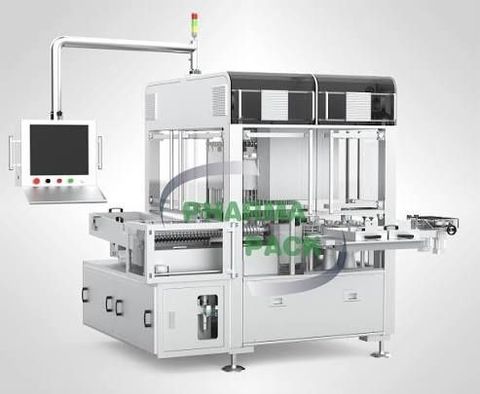
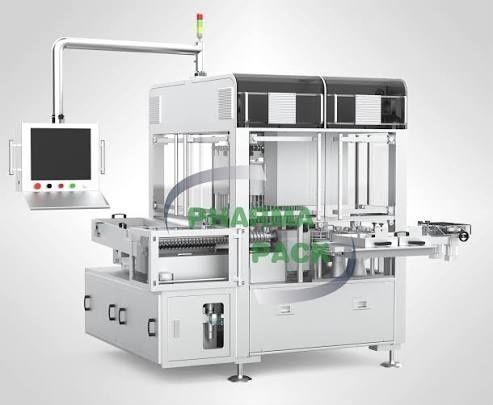
An automatic vial inspection machine uses programmed inspection sequences and mechanical movement to examine containers. Automated systems may be integrated into production lines or operated as separate inspection stages, depending on the manufacturing arrangement.
| Inspection Approach | Main Method | Typical Role |
|---|---|---|
| Manual inspection | Human visual examination | Direct visual assessment |
| Semi-automated inspection | Equipment with human involvement | Assisted examination |
| Automated inspection | Cameras, sensors, and software | Programmed examination |
| High-speed inspection | Automated handling and imaging | Continuous production inspection |
| Reinspection | Additional examination | Investigation of selected units |
Recent Updates
From 2024 through 2026, vial inspection technology has continued moving toward higher levels of automation, improved imaging, integrated data handling, and more flexible inspection processes. These developments are connected with broader changes in pharmaceutical manufacturing and the increasing use of digital production systems.
Advanced vial inspection systems increasingly combine multiple cameras and lighting arrangements to inspect different areas of a container during one inspection sequence. Image-processing software can analyze captured images and compare identified characteristics with predefined criteria.
AI and Machine Vision
AI-based image analysis has become an area of interest within automated pharmaceutical inspection systems. Machine learning techniques can be applied to image classification and pattern recognition, although their use depends on appropriate data, validation, system controls, and regulatory requirements.
AI process components can assist with identifying complex visual patterns, but they do not remove the need for defined inspection criteria and appropriate human oversight. Pharmaceutical environments require documented procedures for determining how inspection technologies are evaluated and controlled.
Higher-Speed Inspection
High speed vial inspection machine designs are being developed for environments where large numbers of containers move through production processes. These systems coordinate container handling, image capture, processing, and rejection mechanisms while maintaining controlled inspection conditions.
Higher processing speed also creates technical challenges. Cameras need sufficient image quality, mechanical systems need accurate positioning, and software must process information within the available inspection cycle.
More Integrated Inspection Systems
Advanced automated vial inspection systems increasingly connect inspection equipment with manufacturing data systems. Information about inspected units, inspection results, equipment conditions, and rejected containers can potentially be recorded electronically.
Complete pharmaceutical vial inspection systems may combine container handling, multiple inspection stations, software controls, data recording, and rejection functions. Integration can reduce the need for separate inspection stages, although the appropriate configuration varies according to production requirements.
Tools and Resources
Several types of tools and reference materials can help explain or manage vial inspection processes. These resources are generally used by manufacturing, engineering, quality, and validation teams.
Inspection and Imaging Tools
Vial inspection equipment can include machine vision cameras, controlled lighting, optical sensors, rotating mechanisms, and image-processing software. Precision vial inspection systems may use multiple viewing angles to examine different parts of a container.
High precision pharmaceutical inspection equipment can also include systems for checking container dimensions, closure positioning, fill levels, or other measurable characteristics. The selection of inspection technologies depends on the specific characteristics that need to be examined.
Documentation and Reference Resources
Useful resources include:
- Inspection procedure templates for documenting examination steps.
- Defect classification tables for organizing visible findings.
- Equipment qualification documents for recording system checks.
- Image libraries for reviewing examples of inspection conditions.
- Process flow diagrams for describing container movement.
- Regulatory and technical guidance documents for understanding inspection expectations.
An equipment specification sheet can also help document camera resolution, inspection areas, container dimensions, throughput requirements, and environmental conditions.
Working With a Vial Inspection Equipment Supplier
Organizations evaluating vial inspection equipment suppliers may review technical documentation describing system architecture, inspection capabilities, container handling, software functions, validation support, and integration requirements.
The relevant information depends on the intended application. A system designed for one vial format or inspection characteristic may require different equipment from a system intended for multiple container types or inspection stages.
FAQs
What are vial inspection systems used for?
Vial inspection systems are used to examine vials for visible defects, particles, fill-level differences, closure problems, and other predefined characteristics. The exact inspection scope depends on the system and production process.
How does an automatic vial inspection machine work?
An automatic vial inspection machine typically moves vials through controlled lighting and imaging stations. Cameras capture images, software analyzes selected characteristics, and a control system can direct containers according to predefined inspection criteria.
What is pharmaceutical vial inspection?
Pharmaceutical vial inspection is the examination of vials and their contents for characteristics that may indicate a quality issue. It can involve manual, semi-automated, or automated inspection methods.
What is automated visual inspection equipment?
Automated visual inspection equipment uses cameras, lighting, sensors, and software to examine objects without relying entirely on direct human observation. In pharmaceutical applications, it can be configured for containers such as vials.
Can AI be used in vial quality inspection systems?
Yes. AI and machine learning techniques can be incorporated into some vial quality inspection systems for image analysis and classification. Their use requires appropriate validation, controls, and defined inspection criteria.
Conclusion
Vial inspection systems have evolved from primarily manual visual examination toward automated technologies that combine cameras, lighting, sensors, software, and mechanical handling. Modern automated pharmaceutical inspection systems can examine several container characteristics while recording inspection information. Developments in machine vision, AI-based analysis, higher-speed handling, and digital integration are shaping current inspection technology. The appropriate inspection method depends on the vial, product, inspection criteria, manufacturing process, and applicable quality requirements.