Wind Turbine Manufacturing: An Overview of Modern Production Processes
Wind turbine manufacturing is the process of producing the major components that convert wind energy into electrical power.
A modern wind turbine contains several interconnected parts, including blades, a rotor, nacelle, generator, tower, gearbox in some designs, control equipment, and electrical systems. Manufacturing involves material preparation, precision machining, component assembly, testing, and transportation.
The growth of wind power created a need for specialized production methods capable of handling large structures and complex mechanical and electrical components. Wind turbine equipment manufacturing has therefore developed into a combination of mechanical engineering, composite materials processing, electrical manufacturing, automation, and quality control.
Main Stages of Production
Wind turbine production generally begins with individual components rather than assembling the entire machine at one location. Wind turbine component manufacturing may involve separate production lines for blades, generators, towers, hubs, nacelles, bearings, electrical equipment, and other parts.
Typical stages include:
- Material preparation for metals, composites, electrical components, and structural parts.
- Component forming, machining, molding, or fabrication.
- Surface treatment and finishing where required.
- Electrical and mechanical component integration.
- Subassembly and final turbine assembly.
- Functional inspection and testing before transportation.
The exact process varies according to turbine design, size, installation environment, and manufacturer requirements.
Blade Manufacturing
Wind turbine blade manufacturing equipment is designed around the use of composite materials such as fiberglass and resin-based structures. Molds are used to form blade sections, which are then joined and reinforced to create the finished aerodynamic structure.
Wind turbine blade production machinery can include large molds, resin handling equipment, curing systems, cutting tools, lifting equipment, inspection systems, and finishing machinery. Advanced wind turbine blade manufacturing increasingly uses automated processes for material placement, dimensional inspection, and selected finishing operations.
Generator and Nacelle Production
Wind turbine generator manufacturing involves producing electrical and mechanical components that convert rotational movement into electricity. Depending on the turbine design, the generator may be connected directly to the rotor or integrated with a gearbox.
The nacelle contains several important systems and is assembled from multiple components. Wind turbine assembly equipment can include lifting devices, alignment tools, torque equipment, electrical testing instruments, and systems for positioning large components accurately.
Importance
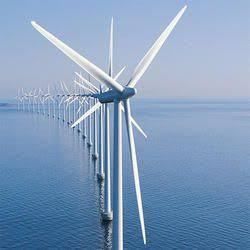
Wind turbine manufacturing affects the production of equipment used in onshore and offshore wind installations. The process also connects multiple industrial sectors, including metal fabrication, composite materials, electrical engineering, machining, logistics, automation, and inspection.
For the general public, the manufacturing process matters because wind turbines are large engineered structures that must operate under changing environmental conditions. Their components need appropriate dimensions, structural strength, electrical characteristics, and compatibility before the completed turbine can be installed.
Handling Large and Complex Components
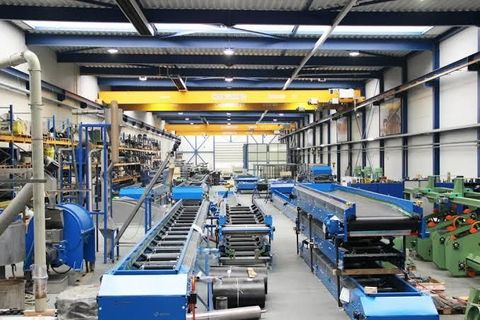
Modern turbines can contain components that are difficult to manufacture, move, and assemble because of their physical dimensions. Industrial wind turbine equipment is therefore designed to handle large parts during fabrication and assembly.
Precision is particularly important for rotating components. Small dimensional differences in certain interfaces can affect alignment, vibration, or mechanical loading. Precision wind turbine production equipment can assist with measurement, machining, positioning, and inspection.
Supporting Consistent Production
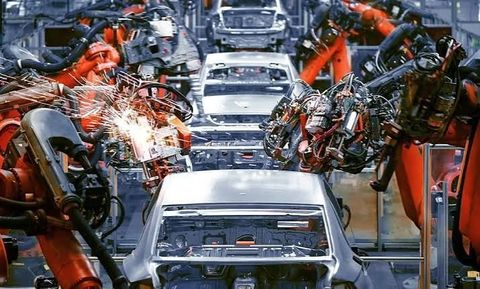
Automated wind turbine manufacturing systems can perform selected repetitive activities according to programmed instructions. Automation may be applied to material handling, machining, inspection, assembly, and data collection.
Automation does not eliminate the need for human oversight. Workers and engineers remain involved in production planning, equipment operation, inspection, maintenance, process verification, and handling of situations that fall outside predefined conditions.
Onshore and Offshore Differences
Offshore turbines present additional manufacturing and logistical considerations. Offshore wind turbine manufacturing equipment may need to accommodate components designed for marine environments and transportation to coastal staging areas or installation vessels.
Offshore components can require attention to corrosion protection, structural loading, sealing, electrical protection, and environmental exposure. These requirements can influence both component design and production methods.
| Component | Common Materials | Typical Production Activities | Related Equipment |
|---|---|---|---|
| Blades | Fiberglass, resin, composite materials | Molding, bonding, finishing | Blade molds, curing and finishing equipment |
| Tower | Steel or other structural materials | Cutting, forming, welding, coating | Fabrication and welding equipment |
| Generator | Metals, copper, insulation | Machining, winding, assembly | Generator production machinery |
| Hub | Cast or forged metal | Machining, inspection, assembly | CNC and precision inspection equipment |
| Nacelle | Steel, aluminum, electrical components | Subassembly and integration | Wind turbine assembly equipment |
| Bearings | Engineered metals | Machining, heat treatment, inspection | Precision production equipment |
Recent Updates
From 2024 through 2026, wind turbine production has continued to develop around larger turbine designs, improved manufacturing automation, digital monitoring, and changes in component engineering. Production systems increasingly combine physical equipment with software that records process information and supports quality checks.
Increasing Production Automation
Automated wind turbine assembly systems are being developed for selected manufacturing activities where repeatable movements and controlled positioning are practical. Robotics and automated handling can assist with tasks involving large components, while digital measurement systems can record dimensional information during production.
Advanced wind turbine manufacturing systems can also connect machinery with production databases. This can create records about component measurements, inspection results, equipment conditions, and process stages.
Development of Larger Turbine Components
Wind turbine designs have continued to evolve, particularly in offshore applications. Larger rotors and longer blades create additional requirements for manufacturing facilities, molds, lifting systems, transportation planning, and structural inspection.
High precision wind turbine manufacturing equipment is increasingly relevant when large components require controlled tolerances and accurate alignment. Manufacturing facilities must also consider how completed components will be moved from production areas to installation locations.
Digital Monitoring and Quality Control
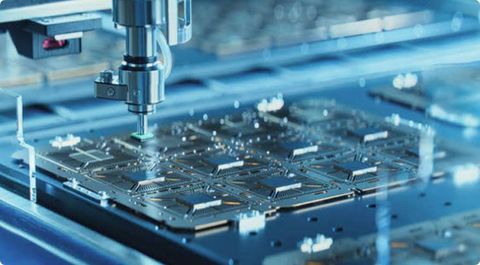
Digital tools are becoming more closely integrated with production processes. Sensors and measurement systems can collect information during machining, assembly, and inspection.
This information can support traceability by associating measurements or inspection records with specific components. Digital records can also help production teams identify process variations and document completed manufacturing stages.
Tools and Resources
Several categories of tools help explain, design, manufacture, and evaluate wind turbine components. Their use depends on the component, production method, and engineering requirements.
Manufacturing and Design Tools
Computer-aided design software is commonly used to create detailed component models and manufacturing drawings. Computer-aided manufacturing systems can then translate certain designs into instructions for production machinery.
Engineering simulation platforms can be used to examine structural loads, airflow, mechanical movement, and other design conditions. These tools are generally used alongside physical testing and engineering analysis rather than as replacements for them.
Inspection and Measurement Equipment
Precision measurement plays an important role in wind turbine component manufacturing. Common tools include coordinate measuring systems, laser measurement equipment, torque instruments, ultrasonic inspection equipment, and dimensional gauges.
For composite blades, inspection methods can examine dimensions, surface conditions, bonding areas, and internal structures. The exact inspection method depends on the component and the applicable engineering requirements.
Industry Resources
Useful information can be found through technical standards organizations, renewable-energy research institutions, engineering publications, manufacturing documentation, and educational resources. Databases from organizations such as the International Energy Agency, International Renewable Energy Agency, and national energy departments can provide broader information about wind power development and technology.
Manufacturing templates can also help organize production stages. Examples include component inspection checklists, assembly records, maintenance documentation, material tracking sheets, and quality-control forms.
FAQs
What is wind turbine manufacturing?
Wind turbine manufacturing is the production and assembly of components used in wind energy systems. It includes blade production, tower fabrication, generator manufacturing, nacelle assembly, electrical integration, inspection, and testing.
What equipment is used in wind turbine manufacturing?
Wind turbine manufacturing equipment can include composite molding systems, machining centers, welding equipment, lifting systems, electrical testing equipment, measurement tools, and automated handling systems. The equipment depends on the component being produced.
How does wind turbine blade manufacturing equipment work?
Wind turbine blade manufacturing equipment supports processes such as molding, composite material placement, bonding, curing, trimming, finishing, and inspection. Large molds are commonly used to establish the aerodynamic shape of a blade.
What is offshore wind turbine manufacturing equipment used for?
Offshore wind turbine manufacturing equipment is used to produce components intended for marine wind installations. Manufacturing may involve specialized structural fabrication, corrosion protection, electrical integration, inspection, and handling of large components.
What are automated wind turbine manufacturing systems?
Automated wind turbine manufacturing systems use programmed machinery, robotics, sensors, and digital controls to perform selected production activities. They can be used for repeatable tasks such as material handling, machining, positioning, measurement, and assembly.
Conclusion
Wind turbine manufacturing combines materials engineering, mechanical production, electrical manufacturing, composite processing, assembly, and inspection. Wind turbine production machinery has evolved alongside larger turbine designs and increasing use of digital monitoring and automation. Blade manufacturing, generator production, tower fabrication, and final assembly each require different equipment and production methods. Modern manufacturing systems therefore depend on coordinated processes, accurate measurement, appropriate materials, and controlled assembly procedures.